
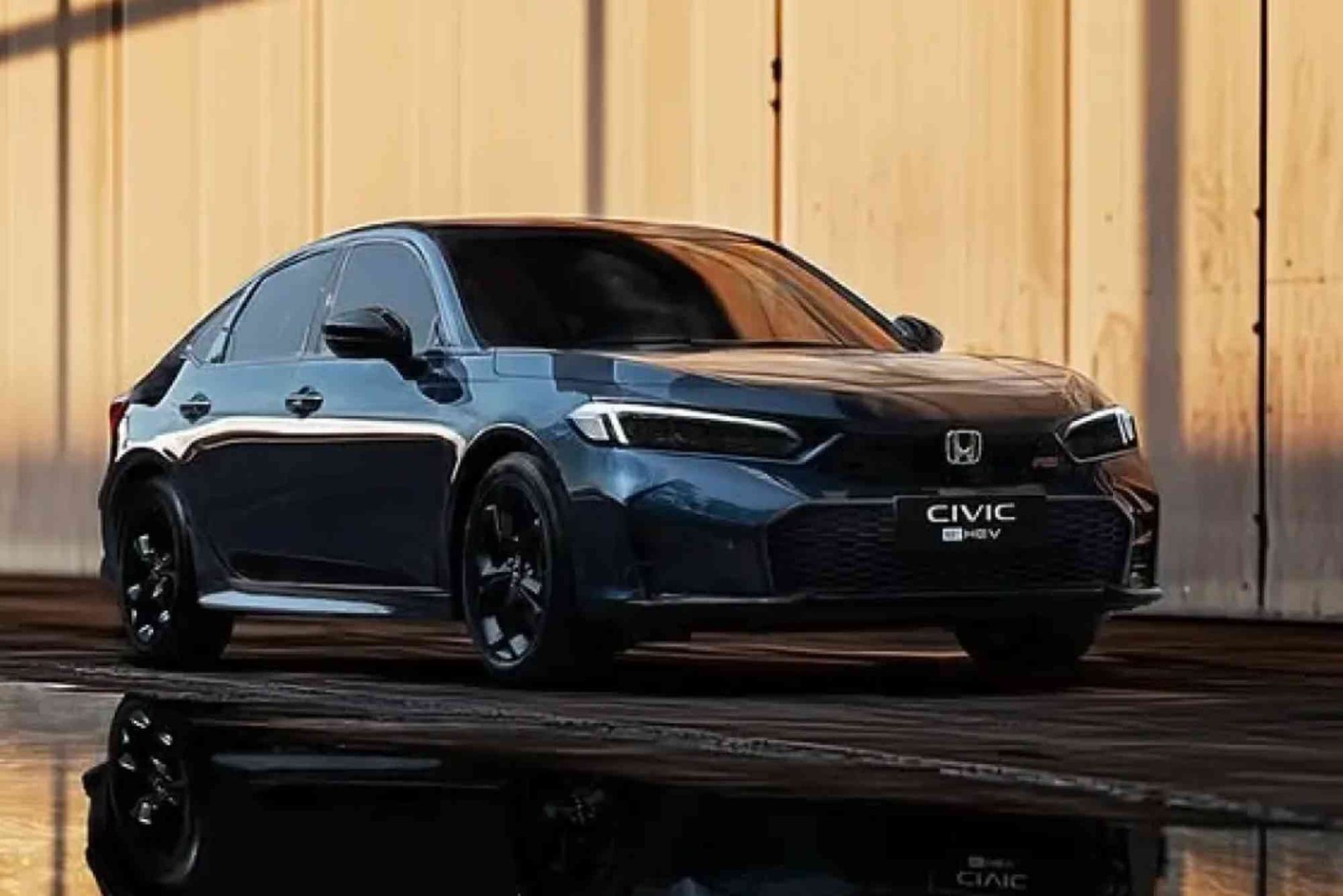
In recent years, hybrid cars have become the preferred choice for urban commuters. Big cities present unique transportation challenges such as traffic congestion, limited parking, rising fuel costs, and increasing environmental concerns. Hybrid vehicles, which combine a traditional internal combustion engine with an electric motor, offer solutions that align perfectly with the demands of city living. This shift in consumer preference reflects a growing awareness of sustainability, convenience, and cost efficiency, making hybrid cars more relevant than ever.
Environmental Benefits of Hybrid Cars
Reduced Emissions and Cleaner Air
Air quality in urban areas is a major concern. Traditional vehicles emit significant levels of carbon dioxide and other pollutants, contributing to smog and health problems. Hybrid cars produce far fewer emissions because they rely on electric power for low-speed city driving. In stop-and-go traffic, the electric motor often powers the car entirely, significantly cutting down pollutants. Cities worldwide are experiencing air quality improvements as more residents adopt hybrid vehicles, demonstrating the environmental advantage of this technology.
Lower Carbon Footprint
By using electricity for a portion of driving, hybrid cars consume less fuel overall. This reduces reliance on fossil fuels and lowers the overall carbon footprint per mile. Urban drivers, who often face frequent braking and acceleration, benefit from regenerative braking systems that capture energy usually lost in conventional vehicles. These systems enhance efficiency and make hybrids particularly suitable for city commuting where driving patterns are unpredictable and fuel wastage is common.
Economic Advantages for City Drivers
Fuel Efficiency and Cost Savings
Fuel prices in big cities tend to be higher than in rural areas. Hybrid cars help drivers save money by consuming less gasoline. The combination of electric and gasoline power allows these vehicles to achieve higher miles per gallon, especially in urban traffic where low-speed travel dominates. Over time, reduced fuel consumption translates into significant savings, making hybrid cars an economical choice for daily commuting.
Government Incentives and Tax Benefits
Many governments provide incentives for hybrid car owners. These may include tax credits, rebates, reduced registration fees, and access to carpool lanes. In metropolitan areas, such incentives encourage drivers to choose hybrids, reducing the financial burden of vehicle ownership. Urban residents benefit from these programs, which help offset the initial cost of hybrid vehicles, making them more accessible and appealing.
Performance and Driving Comfort in Cities
Smooth Driving in Traffic
Hybrid cars offer a quiet and smooth driving experience, especially in congested city traffic. The electric motor operates silently at low speeds, minimizing noise pollution and enhancing driver comfort. Unlike traditional engines that may struggle in stop-and-go traffic, hybrids can seamlessly switch between electric and gasoline power, ensuring consistent performance without strain on the engine.

Advanced Technology and Convenience Features
Many hybrid vehicles come equipped with advanced technology such as adaptive cruise control, lane assist, and energy-efficient navigation systems. These features are particularly useful in cities, helping drivers navigate crowded streets safely and efficiently. Additionally, hybrids often include regenerative braking and automatic start-stop systems, which optimize energy usage and reduce wear on components. This combination of technology and efficiency makes hybrids practical and enjoyable for city driving.
Urban Practicality and Infrastructure
Ease of Parking and Maneuverability
City streets are notoriously narrow and parking spaces are limited. Hybrid cars tend to be compact and designed for urban environments, making them easier to park and maneuver. Many hybrid models also feature enhanced visibility and parking assist technology, helping drivers navigate tight spots safely. The practical design of hybrids aligns with the spatial limitations of urban life, making them a convenient choice for city dwellers.
Integration with Electric Infrastructure
As cities expand electric vehicle infrastructure, hybrids are well-positioned to take advantage of charging stations. Plug-in hybrid models can operate entirely on electric power for short urban trips, reducing fuel consumption even further. Urban planners and car manufacturers recognize this synergy, leading to increased adoption of hybrids in metropolitan areas where sustainable transportation options are prioritized.
Social and Lifestyle Considerations
Eco-Friendly Image and Social Awareness
Choosing a hybrid car reflects a commitment to environmental responsibility. Urban residents often live in communities that value sustainability, and driving a hybrid can enhance social perception. Many people prefer vehicles that align with their ethical beliefs, contributing to a culture of eco-consciousness. This trend is especially noticeable in cities with progressive environmental policies and active public awareness campaigns.
Adaptation to Urban Commuting Patterns
City commuting often involves short trips, frequent stops, and traffic congestion. Hybrid vehicles are designed to maximize efficiency in such conditions, making them ideal for daily urban use. The ability to switch seamlessly between electric and gasoline power ensures optimal fuel economy, while the car’s compact size and modern features improve convenience for city drivers. As a result, hybrid cars cater perfectly to the lifestyle demands of urban commuters.
Challenges and Considerations
While hybrid cars offer numerous advantages, urban drivers must consider certain factors. The initial purchase cost of hybrids is generally higher than that of conventional cars, though long-term savings often offset this. Maintenance and battery replacement can also be more expensive, although advancements in technology have significantly extended battery lifespan. Additionally, city infrastructure must continue to support electric charging and traffic management to maximize the benefits of hybrid adoption. Despite these challenges, the advantages for urban drivers often outweigh the drawbacks, contributing to the growing popularity of hybrids.
Why Hybrids Dominate Urban Roads
Hybrid cars have become the favorite choice in big cities due to a combination of environmental responsibility, economic savings, driving comfort, and urban practicality. They reduce emissions, save fuel, navigate traffic efficiently, and integrate seamlessly with modern city infrastructure. As awareness of sustainability increases and urban challenges grow, hybrids provide a forward-thinking solution for city commuting. Drivers benefit from advanced technology, reduced costs, and a socially conscious image, all of which make hybrids a smart choice for modern urban life. For city residents looking to invest in a reliable, efficient, and eco-friendly vehicle, hybrid cars offer a compelling solution. Explore hybrid options today and experience the future of city driving.
Discover the latest insights, tips, and updates on Jakta! Our platform brings you valuable content designed to inspire, inform, and simplify your daily life. Visit our homepage to explore articles, guides, and resources that make staying informed easy and enjoyable. Start your journey today!
FAQs
Q: Are hybrid cars suitable for city traffic?
Yes, hybrid cars are ideal for city traffic because they use electric power at low speeds, reducing fuel consumption and emissions.
Q: Do hybrid cars save money on fuel?
Absolutely. Hybrid cars combine gasoline and electric power, improving fuel efficiency and lowering overall fuel costs for urban commuters.
Q: Are hybrid cars better for the environment?
Yes. By reducing emissions and using regenerative braking, hybrid cars help decrease pollution and lower the carbon footprint.
Q: Is it expensive to maintain a hybrid car?
Maintenance can be slightly higher due to battery and technology components, but overall savings on fuel and incentives often balance the cost.
Q: Can hybrid cars fully run on electricity?
Some plug-in hybrid models can operate entirely on electric power for short urban trips, further reducing fuel use and emissions.
Q: Why are hybrid cars popular in big cities?
Hybrids are popular because they combine fuel efficiency, low emissions, compact design, advanced technology, and cost savings—perfect for urban living.