
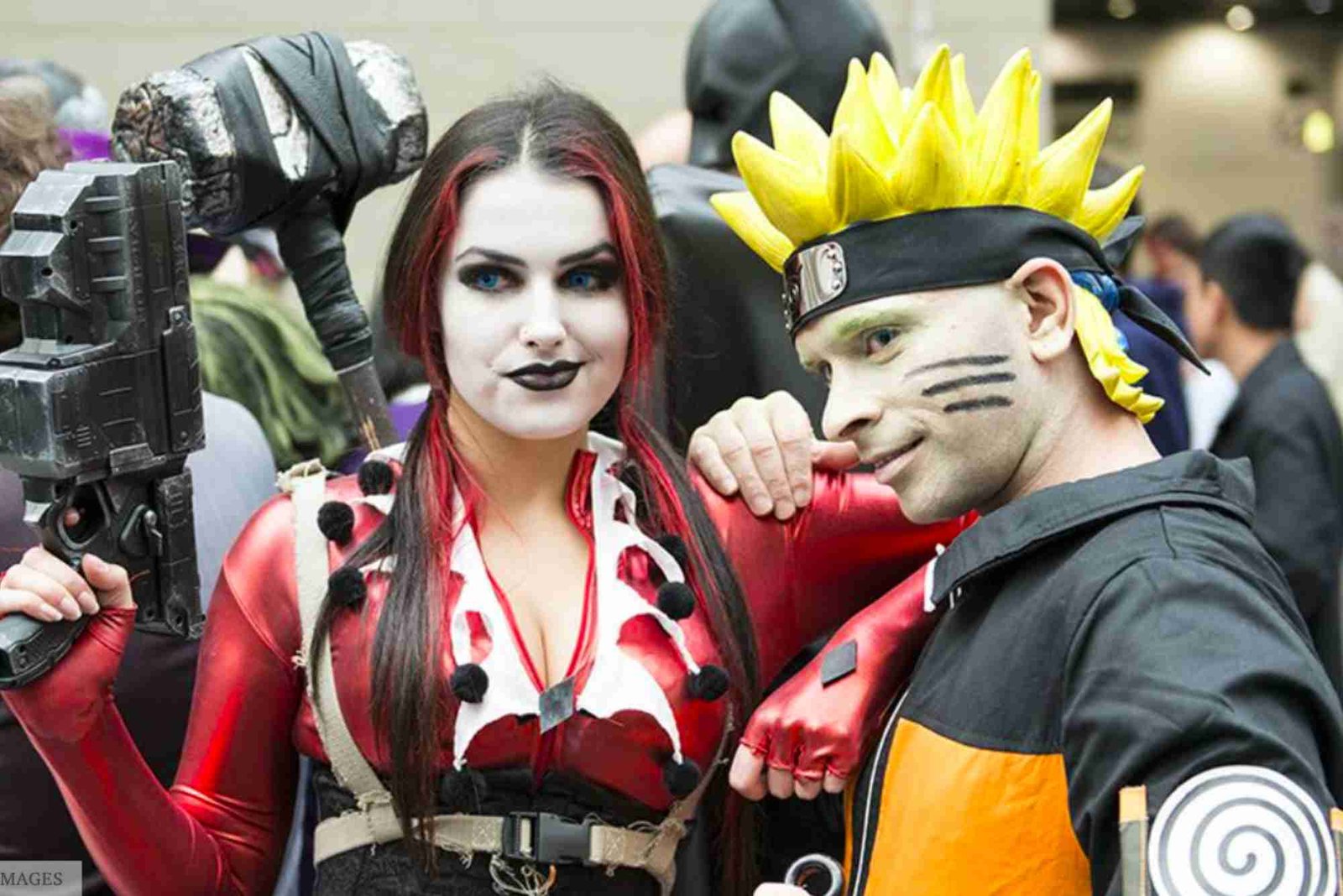
Cosplay has grown from a niche hobby into a global cultural phenomenon. Enthusiasts don intricate costumes and embody their favorite characters from anime, video games, movies, and comics. The cosplay phenomenon and its community now represent creativity, self-expression, and social connection in ways that transcend traditional fandom.
Understanding the Cosplay Phenomenon
Cosplay, short for “costume play,” involves fans dressing as characters they admire. Beyond just wearing a costume, cosplay encourages role-playing and performance. The phenomenon has evolved with social media, conventions, and online communities, allowing enthusiasts to showcase their art to millions. Cosplay is not only about visual appeal but also storytelling, craftsmanship, and performance.
Origins and Evolution of Cosplay
The cosplay phenomenon began in the 1930s with science fiction conventions in the United States. Fans dressed as characters from literature and comics, celebrating their passions openly. Japan later embraced cosplay through anime and manga culture, merging costume creation with theatrical performance. Today, the global cosplay community blends influences from East and West, creating diverse styles and approaches.
Why Cosplay Appeals to Millions
Cosplay attracts people for many reasons. Some enjoy the artistic challenge of creating accurate costumes. Others find joy in embodying a beloved character or expressing their identity. For many, cosplay is a form of escapism, offering a temporary world where they can explore creativity and imagination. Social media has amplified this appeal, allowing cosplayers to share their work and gain recognition.
The Community Aspect of Cosplay
The cosplay community is as vital as the costumes themselves. Cosplayers often describe the community as welcoming, supportive, and collaborative. It fosters friendships, mentorships, and networking opportunities across countries. Online platforms like Instagram, TikTok, and Discord allow members to exchange tips, celebrate each other’s work, and participate in global contests.
Conventions and Social Gatherings
Conventions are the heartbeat of the cosplay community. Events like Comic-Con, Anime Expo, and MCM London Comic Con provide spaces for fans to meet, showcase their costumes, and compete in contests. These gatherings also feature panels, workshops, and photo shoots, which enhance the overall experience. The convention environment strengthens community bonds and inspires newcomers to join the cosplay world.

Online Communities and Influence
Social media has revolutionized cosplay, allowing enthusiasts to reach worldwide audiences. Platforms like Instagram and TikTok highlight creative content, tutorials, and cosplay trends. Online forums, Reddit groups, and Discord servers provide spaces for advice, critique, and camaraderie. This digital interaction supports a sense of belonging and encourages skill-sharing among beginners and veterans alike.
Diversity and Inclusion in Cosplay
The cosplay community celebrates diversity. People of all ages, genders, and backgrounds participate, challenging traditional norms about who can cosplay which character. Representation matters, and inclusive spaces empower cosplayers to express themselves without judgment. Many conventions now offer diversity panels and safe spaces to support marginalized members.
Craftsmanship and Creativity
Cosplay combines various art forms, from sewing and prop-making to makeup and digital design. Skilled cosplayers often spend months perfecting costumes, researching characters, and developing poses for photography. Some even innovate by integrating electronics, 3D printing, and animation into their designs. The cosplay phenomenon encourages experimentation and artistic growth, making it more than a hobby—it’s a form of performance art.
Costume Design and Techniques
Creating a costume involves fabric selection, sewing, and prop fabrication. Cosplayers use techniques like armor building, foam crafting, and LED integration. Attention to detail, color accuracy, and materials can transform a costume from amateur to professional level. Tutorials and community workshops help aspiring cosplayers learn these advanced techniques efficiently.
Performance and Role-Playing
Cosplay is not just about looking like a character; it’s about acting like them. Role-playing allows cosplayers to immerse themselves fully, whether through photo shoots, live performances, or online videos. Performance adds depth to the experience and often distinguishes exceptional cosplayers in competitions and online showcases.
Challenges Within the Community
While cosplay is vibrant and inclusive, challenges remain. Costume theft, online harassment, and unrealistic expectations about appearance can affect members negatively. Financial constraints also limit participation, as professional-level cosplay can be expensive. Communities continue to evolve, implementing mentorships, code of conduct policies, and scholarship opportunities to address these challenges.
Overcoming Barriers
Cosplayers often overcome challenges through collaboration and education. Sharing tutorials, group projects, and crowdfunding platforms makes cosplay more accessible. Experienced members mentor newcomers, emphasizing creativity over perfection. By focusing on passion and community support, the cosplay phenomenon thrives despite barriers.
The Cultural Impact of Cosplay
Cosplay influences entertainment, fashion, and media industries. Film and game studios increasingly recognize cosplayers’ impact on marketing and fan engagement. Some cosplayers gain celebrity status, turning their hobby into professional careers in modeling, performance, or content creation. Beyond the industry, cosplay shapes cultural dialogue, encouraging acceptance of fandoms as legitimate forms of artistic expression.
Cosplay and Media Representation
Media representation of cosplay has shifted over time. Documentaries, TV features, and online profiles showcase the dedication and artistry of cosplayers. Positive portrayals help normalize cosplay, highlighting it as a valid form of self-expression rather than a fringe hobby. This visibility inspires new participants and strengthens the community’s influence.
Economic Influence
The cosplay phenomenon has significant economic implications. Conventions, costume shops, makeup brands, and prop suppliers all benefit from the growing community. Online tutorials, merchandise, and sponsored content generate income for creators, proving that cosplay is both a cultural and financial powerhouse.
The cosplay phenomenon and its community represent creativity, inclusivity, and connection. It’s more than dressing up—it’s storytelling, artistry, and social engagement. From conventions to online platforms, cosplay fosters friendships and encourages personal growth. Whether you’re a newcomer or a seasoned cosplayer, the community welcomes anyone passionate about bringing characters to life.
Explore your creativity and join the cosplay movement today. Engage with local events, share your work online, and connect with fellow enthusiasts. The world of cosplay is vast, inclusive, and waiting for your unique expression.
Jakta.id is a modern digital platform that delivers informative, engaging, and up-to-date content across multiple topics. It focuses on clarity, relevance, and user-friendly insights to help readers stay informed. With a clean presentation and valuable information, Jakta.id aims to become a trusted source for knowledge and trends online.
FAQ
What is cosplay and why is it popular?
Cosplay is dressing as fictional characters, combining costume creation and role-play. Its popularity stems from creativity, self-expression, and social connection.
How do I join the cosplay community?
Start by attending conventions, joining online forums, or creating simple costumes. Engage with others through social media and local events.
Is cosplay only for young people?
No, cosplay welcomes all ages. Enthusiasts range from children to adults, and inclusivity is a central principle of the community.
Can cosplay be a career?
Yes, professional cosplayers earn income through modeling, sponsored content, merchandise, or performance roles at conventions and media events.
How do I create a costume as a beginner?
Begin with simple sewing projects, cosplay tutorials online, and inexpensive props. Gradually improve skills and materials with community support.