
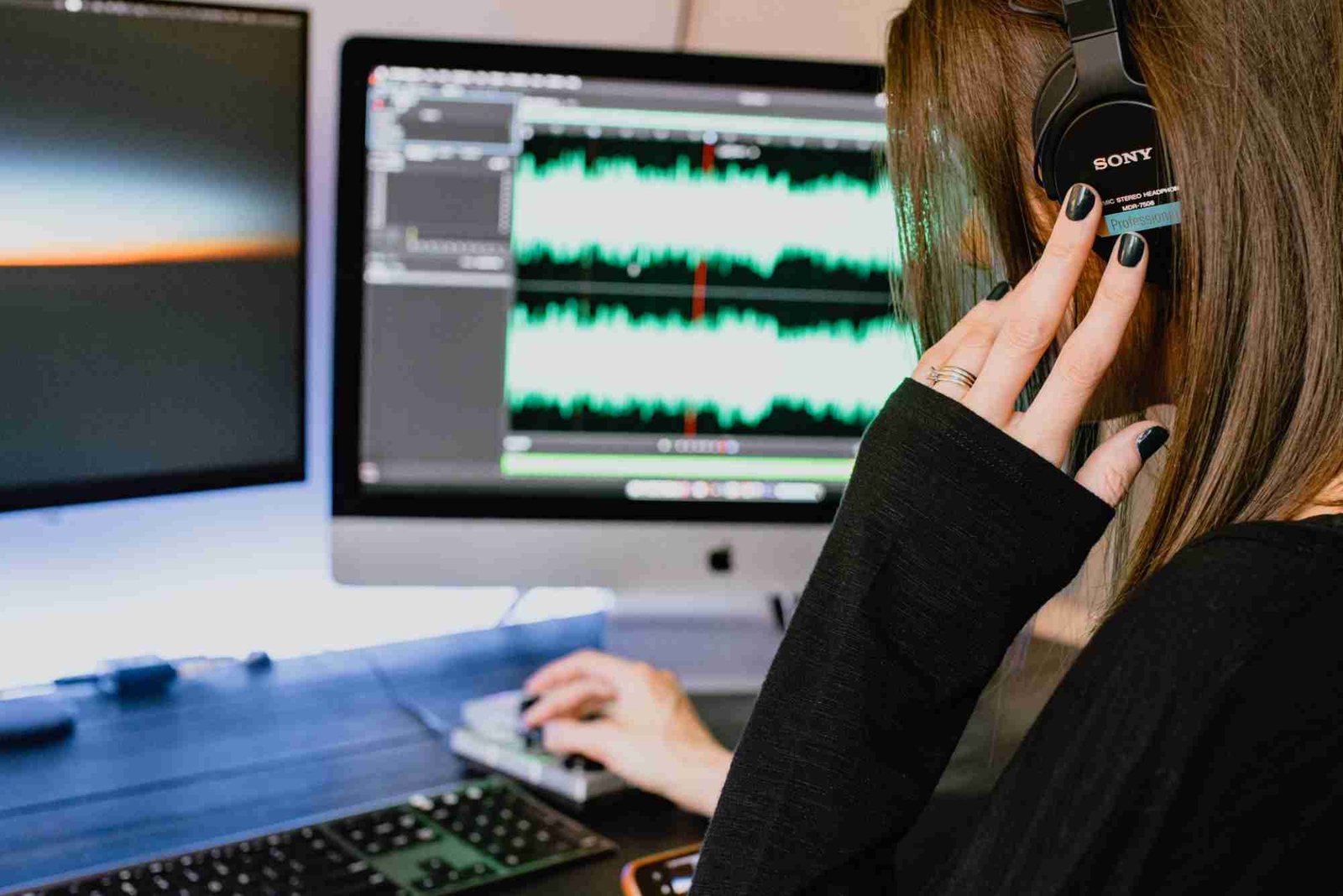
The music industry has undergone a massive transformation over the past few decades. The influence of technology on the music industry is undeniable, affecting how music is created, distributed, and consumed. From vinyl records to digital streaming platforms, technology has reshaped every aspect of the industry, empowering artists and redefining listener experiences.
How Technology Changed Music Production
Digital Audio Workstations and Home Studios
Digital Audio Workstations (DAWs) like Ableton Live, Logic Pro, and FL Studio have democratized music production. Artists can now record, edit, and produce high-quality music from home studios. This shift has reduced reliance on expensive professional studios and allowed independent artists to thrive.
Advanced Recording Equipment
Technological advancements in microphones, sound interfaces, and virtual instruments have enhanced the quality of music production. Artists can experiment with diverse sounds and effects without the need for large budgets.
AI and Music Composition
Artificial Intelligence tools can now assist in composing music, generating beats, and even suggesting lyrics. AI-powered platforms help artists create innovative tracks faster, opening doors for new musical styles and collaborations.
The Evolution of Music Distribution
From Physical to Digital
Technology transformed music distribution from CDs and tapes to digital formats. Online platforms like iTunes initially revolutionized how listeners accessed music. Today, streaming services dominate the market, offering instant access to millions of songs globally.
Streaming Services and Their Impact
Platforms like Spotify, Apple Music, and YouTube have changed listener behavior. Music is now more accessible than ever, but streaming has also introduced challenges, such as revenue distribution and artist compensation debates.

Direct-to-Fan Platforms
Technology has enabled artists to reach audiences directly through platforms like Bandcamp and Patreon. These services allow musicians to monetize their work and build a loyal fan base without relying on record labels.
Marketing and Promotion in the Digital Age
Social Media Influence
Social media platforms like Instagram, TikTok, and Twitter have become essential marketing tools for artists. Viral challenges and trends often determine which songs become hits, highlighting technology’s role in shaping popular music culture.
Data Analytics and Audience Insights
Streaming services provide detailed analytics about listener behavior. Artists and labels can track which songs perform best, identify target demographics, and make data-driven decisions to enhance engagement.
Virtual Concerts and Live Streaming
Technology has redefined live performances through virtual concerts and live streaming. Platforms like Twitch and YouTube Live allow artists to reach global audiences, creating new revenue streams and interactive experiences.
How Technology Shapes Music Consumption
Personalized Playlists and Recommendations
AI-driven algorithms curate personalized playlists for listeners, making music discovery easier. Services like Spotify’s Discover Weekly suggest new tracks based on listening habits, creating a more engaging user experience.
High-Quality Audio Formats
Advancements in audio technology have introduced high-resolution streaming formats. Listeners can enjoy studio-quality sound on devices ranging from smartphones to smart speakers, enhancing the overall experience.
Music on Demand
Technology allows listeners to access music anytime and anywhere. On-demand streaming ensures convenience and flexibility, replacing traditional physical collections.
Challenges of Technological Influence
Piracy and Copyright Issues
While technology has simplified music distribution, it has also contributed to piracy and illegal downloads. Artists and labels face ongoing challenges in protecting intellectual property in the digital age.
Revenue Distribution
Streaming platforms often pay artists small royalties per stream, raising concerns about fair compensation. Musicians must adapt to new business models and explore alternative income sources.
Overreliance on Technology
While technology has expanded creative possibilities, excessive dependence on digital tools can impact originality. Artists must balance innovation with authenticity to maintain their unique sound.
The Future of Technology in Music
Virtual Reality and Augmented Reality
VR and AR are shaping immersive music experiences. Fans can attend virtual concerts and interact with artists in digital spaces, revolutionizing engagement.
Blockchain and Music Rights Management
Blockchain technology offers a transparent method for managing music rights and royalties. It ensures artists are fairly compensated and reduces disputes over ownership.
Continued AI Integration
AI will continue to influence music composition, production, and marketing. As technology evolves, collaboration between humans and AI may define the next era of creativity.
The influence of technology on the music industry has been profound, affecting production, distribution, marketing, and consumption. While it offers unprecedented opportunities for artists and listeners, it also brings challenges that require adaptation. Embracing these technological changes ensures musicians stay relevant and connected with audiences worldwide. Artists and industry professionals must harness these tools wisely to innovate and succeed.
Call to action: Explore emerging music technologies and stay ahead in the evolving industry by experimenting with new tools and platforms today.
Jakta.id is a modern digital platform that delivers informative, engaging, and up-to-date content across multiple topics. It focuses on clarity, relevance, and user-friendly insights to help readers stay informed. With a clean presentation and valuable information, Jakta.id aims to become a trusted source for knowledge and trends online.
FAQ
How has technology influenced music production?
Technology has made music production more accessible through DAWs, virtual instruments, and AI tools, allowing artists to create professional-quality tracks from home.
What role do streaming services play in the music industry?
Streaming services provide global access to music, influence listener habits, and offer detailed analytics for artists to understand their audience.
How is AI changing the music industry?
AI assists in composing music, generating beats, suggesting lyrics, and analyzing trends, helping artists produce innovative tracks more efficiently.
Can technology improve live music experiences?
Yes, virtual concerts, live streaming, and immersive VR/AR experiences allow artists to engage global audiences and create interactive performances.
What challenges does technology bring to artists?
Challenges include piracy, low streaming royalties, overreliance on digital tools, and the need to balance creativity with technology-driven production.