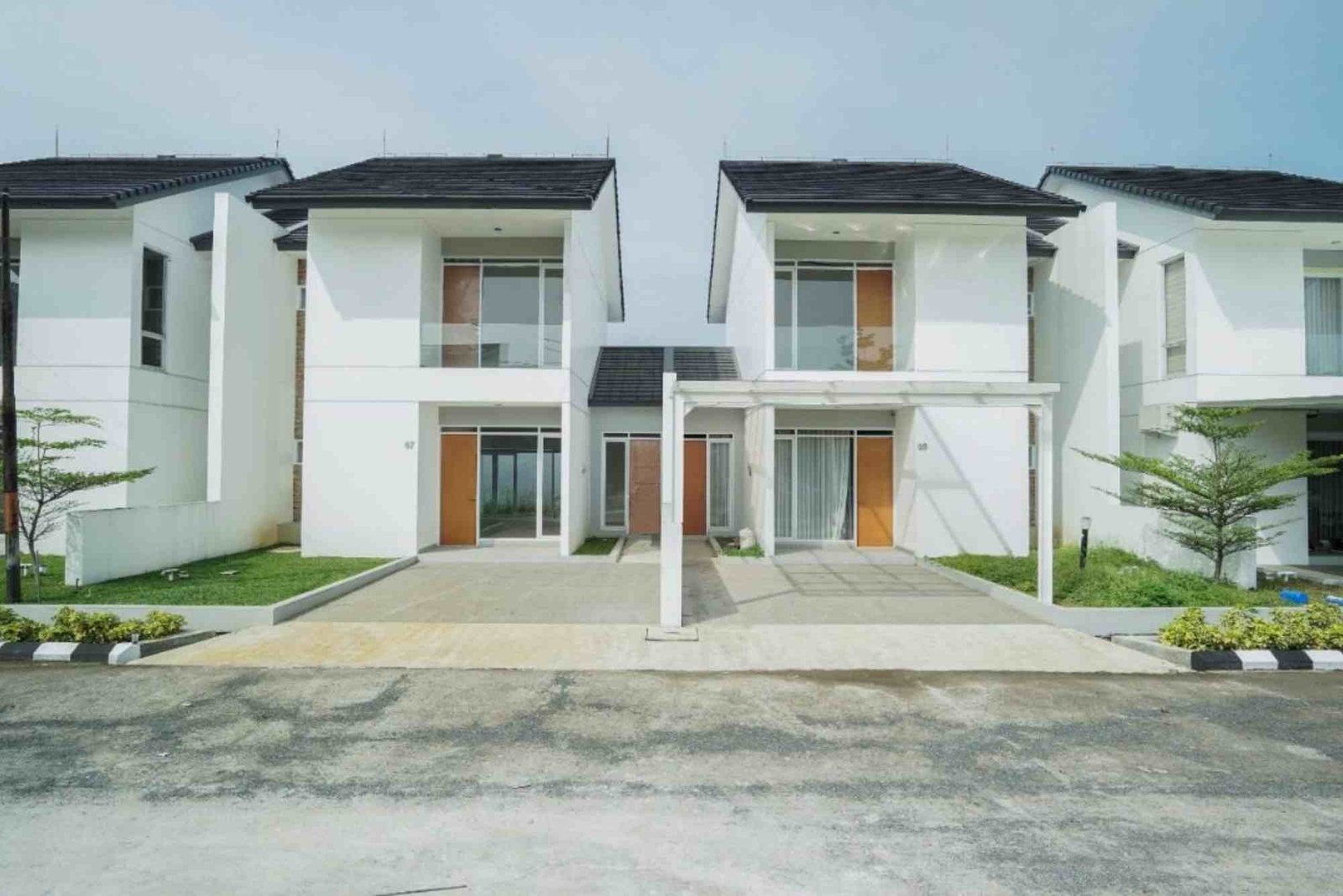

The development of the Sharia property market has gained significant momentum over the last decade. As more investors and developers seek ethical, Sharia-compliant investment opportunities, this market is emerging as a key segment within global real estate. Guided by Islamic finance principles, the Sharia property market emphasizes transparency, risk-sharing, and compliance with Islamic law, offering unique opportunities for both investors and end-users. Understanding its growth, challenges, and trends provides valuable insight into the future of ethical real estate.
Understanding Sharia-Compliant Real Estate
Sharia-compliant real estate is built on the principles of Islamic finance, which prohibit interest (riba), speculative practices (gharar), and investments in haram (forbidden) activities. Property development under Sharia guidelines focuses on fairness, ethical practices, and risk-sharing between investors and developers.
Principles Governing Sharia Property Investment
Investors in Sharia-compliant properties adhere to a few core principles. First, there must be no involvement with interest-based financing. Second, the investment should avoid excessive uncertainty and speculation. Third, the project must not support industries forbidden under Islamic law, such as alcohol or gambling. These principles ensure ethical compliance and sustainable growth for long-term investors.
Importance of Ethical Financing
Sharia property development often relies on models like Musharakah (partnership) or Ijarah (leasing), which emphasize shared risk and reward. This approach fosters transparency and accountability in real estate projects, making them more resilient in volatile markets. Ethical financing also attracts socially conscious investors seeking to align their investments with personal values.
Growth Trends in the Sharia Property Market
The Sharia property market has experienced rapid growth, particularly in regions with large Muslim populations. Countries in the Middle East, Southeast Asia, and North Africa are leading the development of Sharia-compliant real estate.
Increased Demand for Residential Properties
Residential developments are a primary driver of the Sharia property market. Families prefer homes financed under Islamic principles, which avoid conventional mortgage interest. The demand for affordable, ethical housing has led to innovative financing structures that make property ownership accessible while remaining Sharia-compliant.

Commercial and Retail Property Expansion
Commercial real estate is also witnessing growth within Sharia guidelines. Shopping centers, office buildings, and mixed-use developments are increasingly structured to comply with Islamic financing laws. Investors benefit from stable returns, as profit-sharing arrangements and ethical contracts provide long-term security.
Role of Institutional Investors
Institutional investors, including Sharia-compliant funds and Islamic banks, are significant contributors to market expansion. These institutions provide capital for large-scale developments while ensuring adherence to Islamic principles. Their participation strengthens market credibility and encourages smaller investors to engage in ethical real estate.
Regulatory Framework and Compliance
The development of the Sharia property market depends heavily on regulatory frameworks. Countries with clear guidelines for Islamic finance and property law enable safer and more efficient investments.
Government Support and Guidelines
Governments in Islamic-majority countries have introduced regulatory policies that facilitate Sharia-compliant real estate investment. These policies include tax incentives, streamlined licensing, and oversight mechanisms to ensure compliance. Such frameworks reduce risks and attract both local and foreign investors.
Standardization of Sharia Practices
To maintain investor confidence, industry bodies and Sharia boards provide standardized guidelines for property investment. These standards cover contract structures, financing mechanisms, and ethical considerations, ensuring projects meet Islamic principles consistently.
Challenges in the Sharia Property Market
Despite its growth, the Sharia property market faces challenges that can impact investor confidence and market expansion.
Lack of Awareness and Expertise
One major challenge is limited knowledge about Sharia-compliant investment among developers and investors. Understanding the legal and financial nuances requires specialized expertise, which is not always readily available.
Complex Financing Structures
Sharia-compliant financing often involves more complex legal and financial structures than conventional mortgages. These complexities can slow project approvals and increase administrative costs, requiring careful planning and professional guidance.
Market Fragmentation
The Sharia property market can be fragmented, with variations in compliance standards across regions. Differences in Sharia interpretation and local regulations may create uncertainty for cross-border investments.
Opportunities for Future Development
The Sharia property market holds significant potential for growth. Innovative financing models, growing demand for ethical investments, and supportive regulatory environments are key drivers of future development.
Sustainable and Green Building Initiatives
There is an increasing opportunity to integrate sustainability within Sharia-compliant developments. Ethical real estate practices naturally align with eco-friendly construction, energy efficiency, and sustainable urban planning.
Integration of Technology
Technology, including property management software, blockchain for transparent transactions, and AI-driven investment analysis, can enhance efficiency and trust in the Sharia property market. Tech-driven solutions improve compliance, reduce administrative burdens, and attract tech-savvy investors.
Global Expansion Potential
Emerging markets in Africa, South Asia, and Europe present opportunities for Sharia-compliant property growth. Increasing global Muslim populations and interest in ethical investments create fertile ground for international expansion.
The development of the Sharia property market is reshaping ethical real estate investment. Guided by Islamic finance principles, the market offers sustainable, transparent, and profitable opportunities for investors and developers. While challenges exist, strategic planning, regulatory support, and technological integration can unlock significant growth. Investors seeking ethical, risk-conscious property ventures can benefit from understanding and participating in this evolving market.
Explore Sharia-compliant property opportunities today to align your investments with ethical principles while accessing growing markets worldwide.
Jakta.id is a modern digital platform that delivers informative, engaging, and up-to-date content across multiple topics. It focuses on clarity, relevance, and user-friendly insights to help readers stay informed. With a clean presentation and valuable information, Jakta.id aims to become a trusted source for knowledge and trends online.
FAQ on the Development of the Sharia Property Market
What is Sharia-compliant property investment?
Sharia-compliant property investment follows Islamic law principles, avoiding interest, speculation, and haram industries while promoting ethical and risk-sharing models.
How is Sharia property financing different from conventional mortgages?
Sharia property financing uses profit-sharing (Musharakah) or leasing (Ijarah) models instead of interest-based loans, ensuring compliance with Islamic finance principles.
Which regions are leading in Sharia property development?
Middle East, Southeast Asia, and North Africa lead in Sharia-compliant real estate due to supportive regulations and high demand from Muslim populations.
What are the key challenges in the Sharia property market?
Challenges include complex financing structures, fragmented regulations, and limited awareness of Sharia-compliant investment practices.
How can investors benefit from Sharia-compliant properties?
Investors gain ethical, transparent, and risk-conscious opportunities with long-term returns, aligning financial goals with Islamic principles.