
Introduction
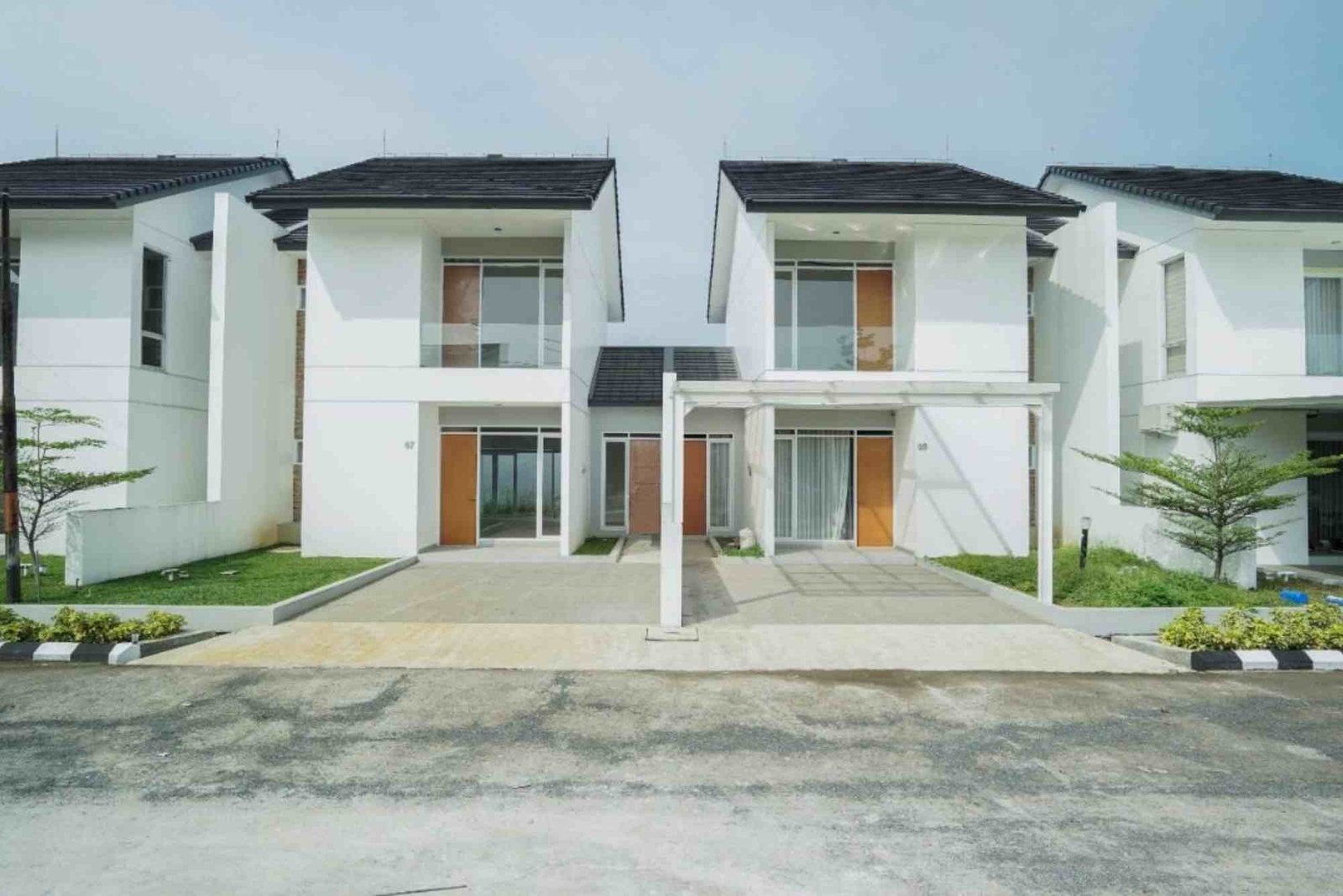
Prefabricated houses, commonly known as prefab homes, have been gaining immense popularity worldwide. Once considered a niche solution, these homes are now recognized for their efficiency, cost-effectiveness, and adaptability. From urban apartments to countryside retreats, prefab housing is transforming the way people approach home ownership and construction. In this article, we explore the rising trend of prefabricated houses, their advantages, types, and why they are becoming the go-to choice for many modern homeowners.
Why Prefabricated Houses Are Becoming Popular
Faster Construction Time
One of the biggest draws of prefabricated homes is the speed at which they can be built. Unlike traditional homes, which often take months or even years to complete, prefab houses are constructed using factory-made modules that are then transported to the building site. This allows construction to be completed in weeks rather than months.
- Controlled Factory Environment: Building components in a factory reduces weather-related delays and ensures consistent quality.
- Streamlined Process: Prefab homes can be customized in design but are assembled quickly onsite, minimizing disruptions.
Cost Efficiency
Prefabricated houses often cost less than conventional homes due to standardized production processes and reduced labor costs.
- Lower Labor Expenses: Many components are built in a factory setting, reducing the need for extended onsite labor.
- Minimized Waste: Prefab construction uses precise measurements and materials, cutting down on excess waste.
- Energy Savings: Modern prefab homes often integrate energy-efficient designs, lowering long-term utility costs.
Sustainability and Eco-Friendliness
Environmental consciousness is a major reason for the growing popularity of prefab homes. Many manufacturers prioritize sustainable materials and energy-efficient designs.
- Recyclable Materials: Steel, timber, and other sustainable resources are frequently used in prefab homes.
- Energy-Efficient Designs: Insulation, solar panels, and energy-efficient windows reduce a home’s carbon footprint.
- Reduced Site Impact: Since much of the construction occurs offsite, the environmental disruption at the building location is minimal.
Types of Prefabricated Houses
Prefabricated houses come in various styles and formats, allowing homeowners to choose based on their preferences and budget.
Modular Homes
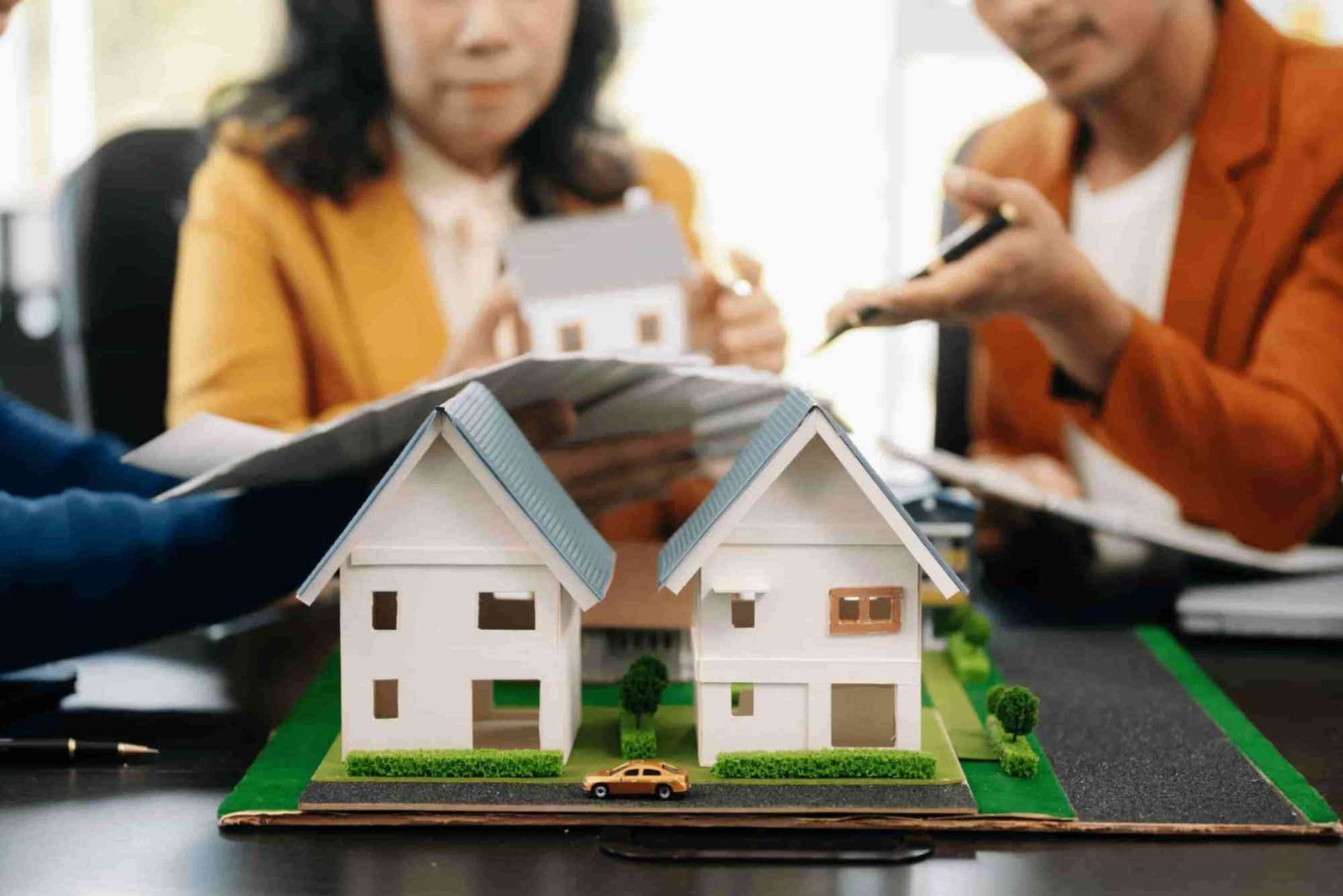
Modular homes are constructed in sections or “modules” that are transported and assembled onsite. These homes offer flexibility in design and can be expanded easily.

- Customizable Layouts: Modules can be added or rearranged to suit family needs.
- Quality Control: Factory settings ensure consistency in materials and workmanship.
Panelized Homes
Panelized homes involve pre-made wall panels, floors, and roofs that are shipped to the site and assembled like a puzzle.
- Quick Assembly: Panels can be installed rapidly, speeding up construction.
- Variety of Designs: Panelized homes can mimic traditional architectural styles.
Prefabricated Kit Homes
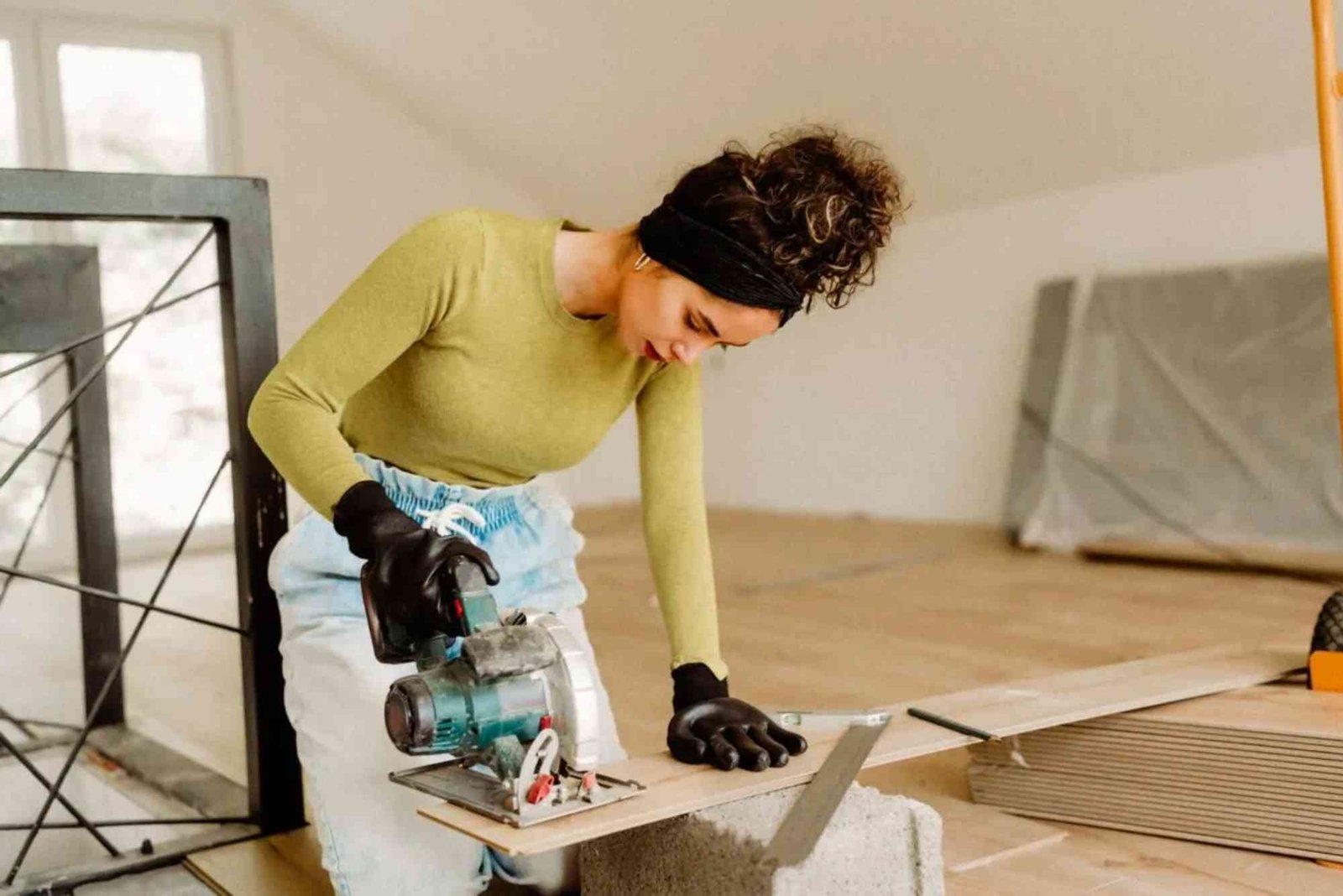
Kit homes provide all necessary materials and instructions for assembly. They are ideal for DIY enthusiasts or areas with limited labor availability.
- Cost-Effective: Kits reduce professional labor costs.
- Adaptable: Homeowners can adjust the design or add features during assembly.
Advantages of Prefabricated Homes
High-Quality Construction
Prefab homes benefit from advanced manufacturing techniques and strict quality control. Each component is carefully designed, measured, and inspected before leaving the factory.
Flexibility and Customization
Contrary to the misconception that prefab homes are all identical, modern designs are highly customizable. Homeowners can select layouts, finishes, and even smart home features.
Resilience and Durability
Prefab homes are built to withstand transportation and installation, making them robust. Many designs are engineered to resist extreme weather conditions, earthquakes, or other environmental challenges.
Minimal Maintenance
Modern prefab houses use durable materials that require less upkeep than traditional homes. This translates to fewer repairs and a longer lifespan for structural components.
Common Misconceptions About Prefabricated Houses
Despite their popularity, prefab homes still face skepticism. Here are a few common myths debunked:
- “Prefab Homes Are Low Quality” – On the contrary, factory-built homes often have stricter quality standards than onsite construction.
- “They Can’t Be Customized” – Prefab homes now offer a wide range of layouts, materials, and finishes.
- “They Are Only for Temporary Housing” – Many prefab homes are permanent, long-lasting residences that rival traditional homes.
The Future of Prefabricated Housing
With urbanization, rising housing costs, and increasing environmental awareness, prefab homes are poised for significant growth. Innovations in materials, design, and smart home integration are further increasing their appeal.
- Smart Prefab Homes: Integration with IoT devices and home automation systems is becoming standard.
- Urban Applications: Prefab units are ideal for city infill projects where space is limited.
- Affordable Housing Solutions: Governments and developers are using prefab construction to address housing shortages efficiently.
Prefabricated houses are no longer a futuristic concept—they are a practical, sustainable, and increasingly stylish housing option. Their speed, affordability, and adaptability make them an attractive choice for modern homeowners. Whether you’re seeking a cozy suburban home or an innovative urban apartment, prefab construction offers versatility and efficiency without compromising quality.
FAQs
How long does it take to build a prefabricated house?
Most prefab homes can be assembled in 4–12 weeks, depending on size and complexity.
Are prefabricated houses durable?
Yes, prefab homes are built to high standards in controlled factory environments, making them durable and resilient.
Can I customize a prefabricated house?
Absolutely. Modern prefab homes allow for layout, material, and finish customization.
Are prefab homes environmentally friendly?
Yes, prefab homes often use sustainable materials and energy-efficient designs, reducing their environmental impact.
Are prefabricated houses cheaper than traditional homes?
Generally, prefab homes are more cost-effective due to reduced labor, faster construction, and minimized waste.
Tips for Designing a Comfortable Bedroom: Creating a cozy bedroom starts with choosing soft lighting, calming colors, and comfortable bedding. Add functional furniture that maximizes space and keeps clutter away. Incorporate personal touches like artwork or plants to make the room inviting. Balance style and comfort for a restful, relaxing retreat.