Contemporary art has become one of the most exciting and dynamic fields in the modern cultural landscape. It reflects the diversity of today’s world, capturing social change, technological innovation, and personal expression. Whether you are a seasoned art lover or a curious newcomer, understanding Seni Rupa Kontemporer: Tren, Gaya, dan Cara Mengapresiasi brings you closer to the heart of creative thinking. In this article, we will explore the core ideas behind contemporary art, examine its emerging trends and various styles, and share actionable ways to appreciate it deeply and meaningfully.
Introduction to Contemporary Art
Contemporary art refers to the visual art produced in the late 20th century and continuing into the present day. Unlike traditional art forms that focused on technical mastery or historical narratives, contemporary art frequently challenges expectations, explores abstract ideas, and prioritizes cultural relevance. Artists experiment with materials, concepts, and platforms to express perspectives on identity, politics, technology, and more.
At its core, Seni Rupa Kontemporer: Tren, Gaya, dan Cara Mengapresiasi is about connection—between viewer and artwork, between society and individual experience. It allows us to question what art is and what it can become. As a result, contemporary art invites us not just to observe, but to engage, reflect, and interpret.
Defining Contemporary Art
What Makes Art Contemporary?
Contemporary art is not defined by a single style, movement, or form. Instead, it is shaped by its time—responding to cultural shifts and technological changes that affect creators and audiences alike. This art often blurs boundaries, mixing media and ideas in unexpected ways. It may include traditional painting and sculpture, but also installation, performance, digital art, and socially engaged practices.
The essence of contemporary art lies in its openness. Artists are free to explore personal stories, global issues, or even the nature of art itself. As the world evolves, so does Seni Rupa Kontemporer: Tren, Gaya, dan Cara Mengapresiasi. This flexibility makes it uniquely suited to capture the complexities of modern life.
The Role of the Viewer
In contemporary art, the viewer is not a passive observer. The artwork becomes alive through interpretation. The meaning of a piece often emerges in the space between creation and reception. Rather than presenting a fixed message, many works invite questions, conversations, and emotional responses.

This participatory nature sets Seni Rupa Kontemporer: Tren, Gaya, dan Cara Mengapresiasi apart from more traditional art. It encourages dialogue and personal interpretation. Each viewer brings their own experiences, beliefs, and curiosity, which shape how they understand the art.
Major Trends in Contemporary Art
Technology and New Media
One of the most visible trends in contemporary art is the integration of technology. Digital art, virtual reality experiences, and interactive installations have expanded the boundaries of what art can be. Artists use software, sensors, projection mapping, and online platforms to create immersive experiences that engage audiences in new ways.
For example, digital artists create works that respond to viewer movement or environmental data. Virtual reality enables entirely new spatial narratives. As technology continues to evolve, Seni Rupa Kontemporer: Tren, Gaya, dan Cara Mengapresiasi expands beyond physical galleries into interactive and accessible digital environments.
Social and Political Engagement
Contemporary art frequently engages with social and political issues. Artists use their work to address inequality, human rights, climate change, and cultural identity. This form of art becomes an act of advocacy, bringing attention to marginalized voices or urgent global concerns.
This trend reflects our interconnected world. Social media and global communication allow artists to reach audiences far beyond traditional art spaces. As a result, contemporary art becomes a platform for dialogue, protest, and collective reflection—making Seni Rupa Kontemporer: Tren, Gaya, dan Cara Mengapresiasi a powerful cultural force.
Cross-Cultural Influence
Globalization has encouraged cultural exchange among artists from diverse backgrounds. Contemporary art is enriched by cross-cultural perspectives, blending traditions, stories, and techniques from around the world. Artists explore heritage and migration, identity and diaspora, creating works that resonate across borders.
This global context broadens the definition of art and expands how we understand creativity. Whether rooted in local heritage or informed by international dialogue, contemporary art reflects lived experiences that are diverse, layered, and insightful.
Styles and Forms in Contemporary Art
Abstract and Conceptual Practices
Contemporary art often moves beyond literal representation. Abstract and conceptual art foregrounds ideas and emotions rather than realistic visuals. In abstract works, color, form, and texture become vehicles for expression. Conceptual art emphasizes the idea behind the work more than its physical form.
These styles encourage us to think differently, questioning what art communicates beyond its surface. They invite introspection and interpretation—making Seni Rupa Kontemporer: Tren, Gaya, dan Cara Mengapresiasi intellectually engaging and emotionally resonant.
Installation and Site-Specific Work
Installation art occupies space in transformative ways. These works can fill entire rooms or public spaces, surrounding viewers with sensory experiences. Site-specific installations are designed for a particular place and context, often responding to architecture, environment, or cultural history.
This form of sensory storytelling allows audiences to move within the art, rather than merely viewing it from a distance. The immersive nature of installations deepens our engagement, inviting us to explore and interact with the work and its surroundings.
Performance and Time-Based Art
Performance art uses the artist’s body or actions as the medium. These works may be scripted or improvised, ephemeral or recorded, but they always unfold over time. As a result, performance art emphasizes presence and experience.
Time-based art also includes video, sound art, and other works that evolve moment by moment. These forms challenge traditional ideas of permanence and objecthood in art. They emphasize process, time, and human presence—expanding our understanding of artistic expression in the contemporary world.
How to Appreciate Contemporary Art
Open Your Mind to Different Expressions
Appreciating contemporary art begins with openness. This art often defies expectation and challenges familiar patterns of seeing. Instead of seeking a single “message,” allow yourself to explore ambiguity, juxtaposition, and layered meaning. Allow curiosity to guide you rather than seeking immediate answers.
This mindset allows Seni Rupa Kontemporer: Tren, Gaya, dan Cara Mengapresiasi to become a source of discovery. Instead of judging what the art “should be,” consider what it makes you feel or think.
Learn the Context Behind the Work
Understanding the background of an artwork can deepen your appreciation. Research the artist’s biography, cultural influences, and creative process. Many museums provide curatorial notes, artist interviews, or audio guides that offer insight into the ideas behind the work.
Context enriches interpretation. When you understand the motivations and inspirations of an artist, Seni Rupa Kontemporer: Tren, Gaya, dan Cara Mengapresiasi becomes more accessible and relatable.
Engage Actively With the Art
Contemporary art often invites participation. Take time to observe the details, move around installations, listen to sound elements, and reflect on your emotional response. Ask questions: What does this make me feel? What ideas does it bring to mind? How does it relate to my experiences or the world around me?
Active engagement transforms art from passive observation into meaningful interaction. This interactive approach lies at the heart of Seni Rupa Kontemporer: Tren, Gaya, dan Cara Mengapresiasi because it values personal interpretation and emotional resonance.
Visit Galleries, Museums, and Public Art Spaces
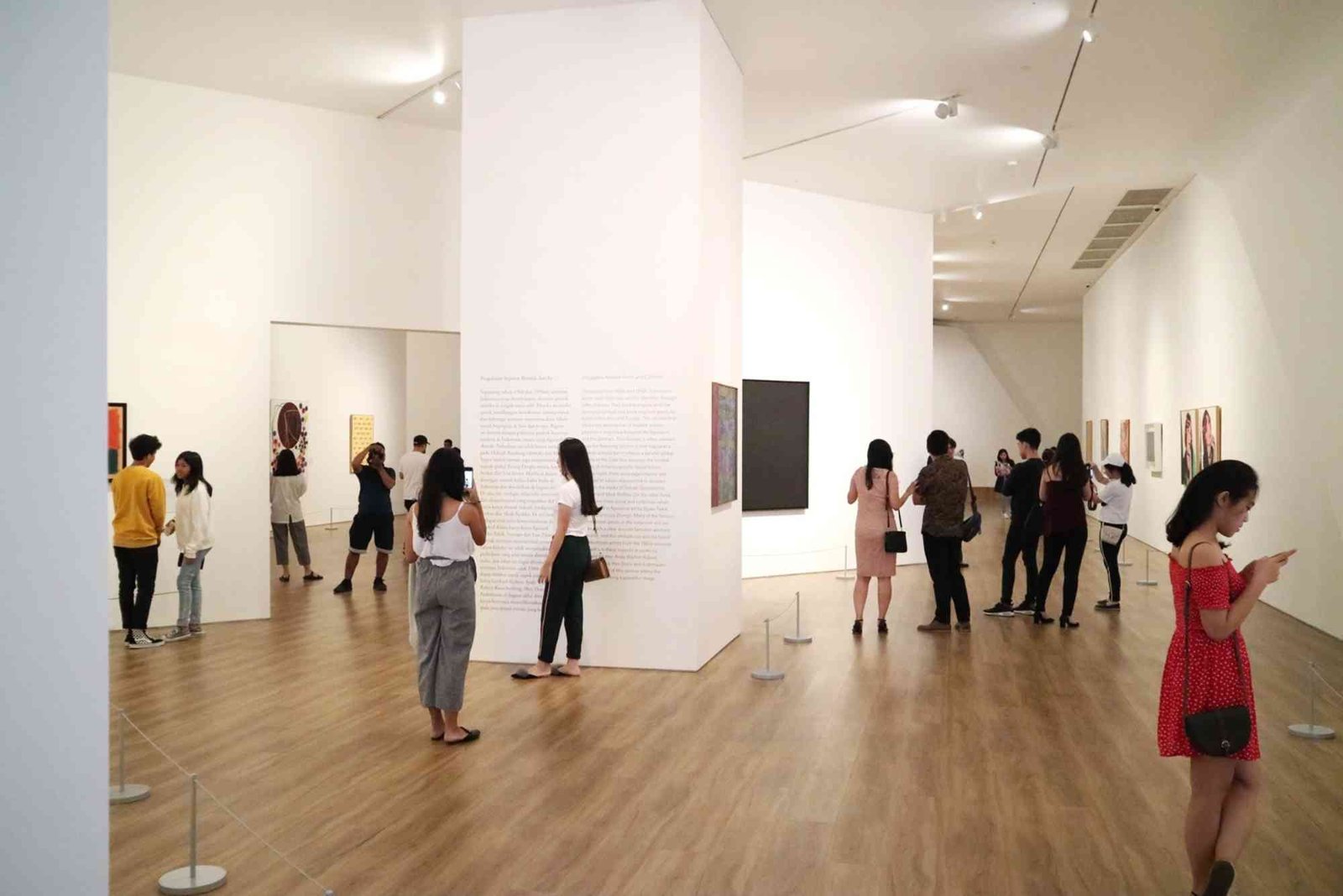
Immersive experiences deepen your understanding of contemporary art. Gallery exhibitions and museum shows often offer curated interpretations and thematic presentations. Public art spaces bring art into everyday environments, making creative expression part of communal life.
Visiting physical art spaces connects you with artists, curators, and fellow art lovers. It also allows you to experience scale, texture, and context in ways that digital images cannot fully convey.
The Role of Digital Platforms in Art Appreciation
The advent of digital platforms has transformed how we experience contemporary art. Online exhibitions, virtual tours, and social media allow art to reach global audiences instantly. This access helps democratize art appreciation, enabling people from different regions and backgrounds to explore diverse creative expressions.
Digital platforms also allow artists to experiment with interactive storytelling, augmented reality, and multimedia narratives. This increased accessibility enhances Seni Rupa Kontemporer: Tren, Gaya, dan Cara Mengapresiasi by making art more available, engaging, and inclusive. Platforms like museum virtual tours offer a way to explore art beyond geographic limitations—opening doors to discovery and inspiration.
Why Contemporary Art Matters
Contemporary art reflects our collective experiences and individual voices. It captures the complexity of modern life—addressing issues of identity, community, space, and existence. This art invites reflection, empathy, and critical thinking. It challenges us to see the world through diverse perspectives and to find meaning in ambiguous forms.
By opening ourselves to Seni Rupa Kontemporer: Tren, Gaya, dan Cara Mengapresiasi, we expand our cultural literacy. We learn to question assumptions, appreciate creative risk-taking, and value diverse narratives. Contemporary art celebrates innovation and human expression in all its forms.
Embrace the Experience
Contemporary art is more than a trend—it is a living conversation between artists and audiences. Through its ever-evolving styles and forms, it pushes boundaries and inspires new ways of seeing. By exploring Seni Rupa Kontemporer: Tren, Gaya, dan Cara Mengapresiasi, you unlock a deeper understanding of creativity, culture, and yourself.
Take time to visit exhibitions, engage with artists, and explore digital platforms. Embrace the unexpected and allow your curiosity to guide you. Let contemporary art become a source of inspiration, dialogue, and growth in your life.
Frequently Asked Questions
What defines contemporary art compared to modern art?
Contemporary art refers to work created from the late 20th century to the present. Modern art describes earlier movements from the late 19th to mid-20th century, focusing on innovation within traditional mediums. Contemporary art is broader and often more experimental.
How can I start appreciating contemporary art?
Start by visiting exhibitions, reading artist biographies, and engaging with artworks thoughtfully. Approach each piece with openness and curiosity. Allow yourself to ask questions and reflect on your emotional response.
Why is contemporary art important in today’s culture?
Contemporary art captures the spirit of its time. It reflects cultural shifts, global issues, and personal narratives. Through diverse expressions, it encourages dialogue, critical thinking, and empathy.
Can anyone understand contemporary art?
Yes. Contemporary art may be unfamiliar at first, but context and curiosity make it accessible. Learning about the artist’s intentions and exploring art with an open mind enhances understanding.
Where can I see contemporary art exhibitions?
You can find contemporary art in museums, galleries, public spaces, and online exhibitions. Many institutions offer virtual tours and educational resources to help you explore art from anywhere.
Seni Tari Modern: Kolaborasi Tradisi dan Tren Baru Seni tari modern memadukan keindahan gerak tradisional dengan inovasi kontemporer, menciptakan ekspresi baru yang dinamis. Kolaborasi ini memungkinkan tarian klasik tetap relevan, sambil menarik generasi muda dengan tren dan musik modern, menjembatani masa lalu dan masa kini dalam setiap gerakan panggung.