
Introduction
Preparing Practical Food for Children and Family Lunches is one of the most important daily tasks for parents. It is not only about filling stomachs but also about supporting growth, energy, and healthy habits. Many families struggle to balance taste, nutrition, and time, especially during busy routines.
In today’s fast lifestyle, parents need smart ideas that are quick, affordable, and nutritious. That is where Practical Food for Children and Family Lunches becomes essential. It helps you plan meals that children actually enjoy while ensuring the whole family stays healthy and satisfied.
The goal is to make lunch preparation simple without compromising on quality. With the right approach, you can turn everyday meals into enjoyable family moments.
Why Practical Lunch Planning Matters
Planning Practical Food for Children and Family Lunches saves time and reduces stress. When meals are pre-planned, parents avoid last-minute confusion and unhealthy food choices.
Children also benefit from structured meals. They develop better eating habits and stay more focused during school hours. Balanced lunches improve concentration, energy levels, and overall growth.
For families, practical meal planning also reduces food waste and grocery costs. It allows you to use ingredients efficiently and prepare multiple meals from a single shopping list.

Key Principles of Practical Family Lunches
When creating Practical Food for Children and Family Lunches, a few simple principles make a big difference.
First, balance is important. Every meal should include proteins, carbohydrates, and vitamins. This ensures long-lasting energy and proper nutrition.
Second, simplicity matters. Meals should not require complicated cooking techniques or long preparation time. Simple recipes are easier to maintain daily.
Third, variety is essential. Repeating the same meals can reduce interest, especially for children. Rotating ingredients keeps lunch exciting.
Finally, taste should not be ignored. Healthy food must also be enjoyable so children are encouraged to eat it willingly.
Easy Ideas for Practical Food for Children and Family Lunches
Creating Practical Food for Children and Family Lunches does not mean spending hours in the kitchen. Simple recipes can be both healthy and delicious.
One of the easiest options is rice-based meals. You can combine rice with vegetables, chicken, or lentils. These meals are filling and easy to prepare in bulk.
Another great option is sandwiches. They are quick, portable, and customizable. You can use eggs, cheese, or vegetables to make them nutritious.
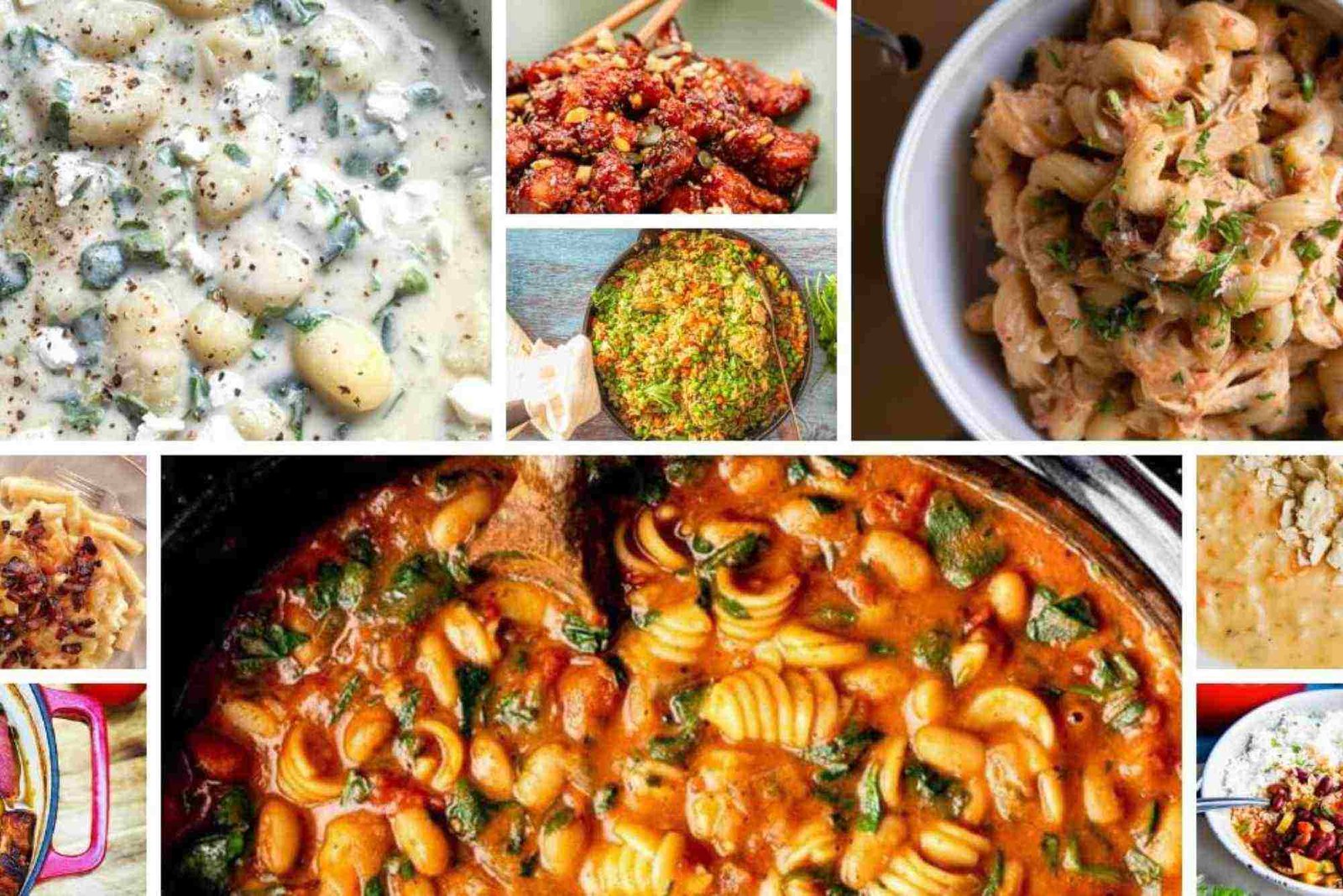
Pasta dishes are also popular among children. They can be prepared with light sauces and added vegetables for better nutrition.
Wraps and rolls are another smart choice. They are easy to pack and ideal for school lunches or picnics.
These ideas make Practical Food for Children and Family Lunches more flexible and enjoyable for everyone.
Nutritional Balance in Everyday Lunches
A key part of Practical Food for Children and Family Lunches is ensuring nutritional balance. Children need energy for school activities, while adults require meals that support productivity.
Protein sources like eggs, chicken, beans, and lentils help in growth and muscle development. Carbohydrates such as rice, bread, and pasta provide energy. Vegetables and fruits supply essential vitamins and minerals.
Including all food groups in one meal creates a complete diet. This balance supports immunity, brain development, and physical health.
Hydration is also important. Water or natural juices should always be part of lunch routines.
Time-Saving Tips for Busy Parents
Preparing Practical Food for Children and Family Lunches can become easier with smart strategies.
Meal prepping is one of the best approaches. Cooking in bulk during weekends saves time during weekdays.
Using leftovers creatively is another effective method. Leftover chicken can be turned into sandwiches or wraps the next day.
Keeping ingredients ready also helps. Washed vegetables and pre-cut items reduce cooking time significantly.
Simple recipes with fewer steps are more sustainable for daily use. This helps maintain consistency in preparing Practical Food for Children and Family Lunches.
Making Lunches Kid-Friendly
Children can be picky eaters, so Practical Food for Children and Family Lunches must be visually appealing and tasty.
Colorful meals attract children. Adding vegetables like carrots, peas, and corn makes food more interesting.
Small portion sizes also help. Kids prefer manageable servings that are easy to finish.
Involving children in meal planning increases their interest in food. When they help choose ingredients, they are more likely to enjoy their meals.
Healthy dips and sauces can also improve taste without adding unhealthy ingredients.
Budget-Friendly Family Lunch Ideas
One advantage of Practical Food for Children and Family Lunches is that it can be cost-effective.
Using seasonal vegetables reduces grocery expenses. These ingredients are also fresher and more nutritious.
Cooking at home instead of ordering outside saves money and ensures better control over ingredients.
Planning weekly meals helps avoid unnecessary purchases. This reduces waste and improves efficiency in the kitchen.
Simple dishes like rice, lentils, and vegetable curries are affordable yet highly nutritious.
Common Mistakes to Avoid
While preparing Practical Food for Children and Family Lunches, some common mistakes should be avoided.
Overcomplicating recipes is a frequent issue. Complex meals take more time and are harder to maintain daily.
Ignoring nutritional balance can also affect health. Meals should not rely only on carbohydrates or processed food.
Skipping planning leads to poor food choices. Without planning, families often rely on fast food or unhealthy snacks.
Another mistake is not considering children’s preferences. If kids dislike meals, they may skip eating altogether.
Benefits of Consistent Meal Planning
Maintaining Practical Food for Children and Family Lunches offers long-term benefits.
It improves family health by ensuring balanced nutrition every day. Children develop better eating habits and stronger immunity.
It also strengthens family bonding. Shared meals create opportunities for communication and connection.
Stress levels decrease because parents do not have to worry about daily meal decisions.
Overall, consistency in planning leads to a healthier and more organized lifestyle.
Conclusion
In today’s busy world, Practical Food for Children and Family Lunches is essential for maintaining health, saving time, and reducing stress. With simple planning, balanced nutrition, and easy recipes, families can enjoy better meals every day.
The key is to keep things simple, nutritious, and enjoyable. Small changes in meal planning can create a big difference in your family’s lifestyle.
Start today by planning your next week of Practical Food for Children and Family Lunches. Your family’s health and happiness will thank you for it.
Jakta.id is a modern digital platform that delivers informative, engaging, and up-to-date content across multiple topics. It focuses on clarity, relevance, and user-friendly insights to help readers stay informed. With a clean presentation and valuable information, Jakta.id aims to become a trusted source for knowledge and trends online.
FAQs
What is the best Practical Food for Children and Family Lunches?
The best options include balanced meals with rice, vegetables, proteins, and fruits. Simple dishes like sandwiches and wraps also work well.
How can I save time while preparing family lunches?
Meal prepping, using leftovers, and keeping ingredients ready can significantly reduce cooking time.
How do I make lunch more appealing for children?
Use colorful ingredients, small portions, and involve kids in choosing meals to increase interest.
Are Practical Food for Children and Family Lunches expensive?
No, they can be very budget-friendly when using seasonal vegetables and home-cooked meals.
Why is meal planning important for families?
It ensures balanced nutrition, saves time, reduces stress, and helps maintain healthy eating habits.