
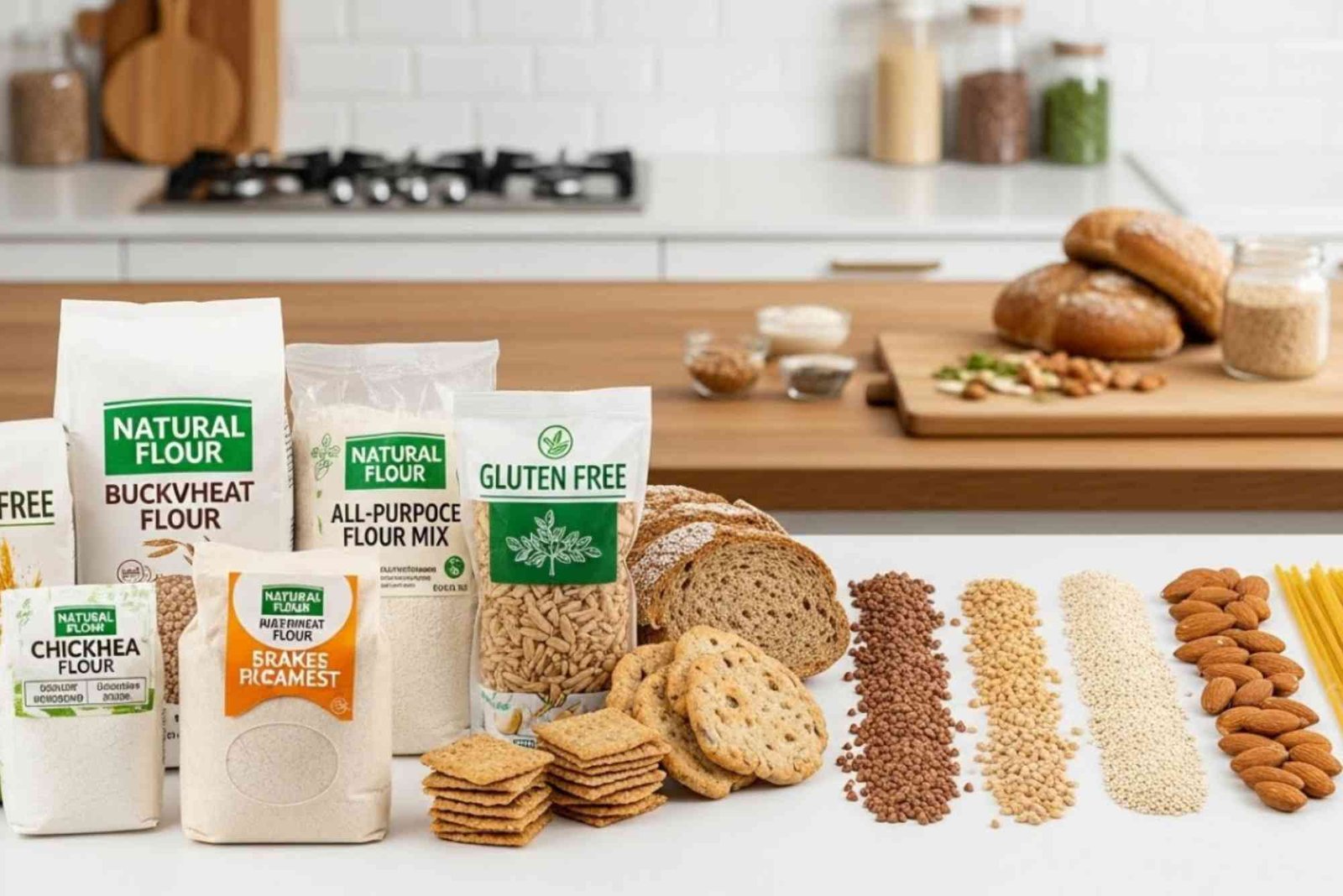
Choosing gluten-free food products has become increasingly important for people who want to maintain a healthier lifestyle. Gluten-free eating is no longer limited to individuals with celiac disease. Today, many people choose gluten-free products to improve digestion, increase energy levels, and support overall wellness. However, with so many products available in stores, understanding the right tips for choosing gluten-free food products is essential to avoid unhealthy or misleading options.
Modern supermarkets are filled with gluten-free labels on bread, snacks, cereals, frozen meals, and even beverages. While this provides more convenience, not every gluten-free product offers real nutritional value. Some products are heavily processed and contain excessive sugar, unhealthy fats, or artificial ingredients. Therefore, consumers must become smarter when selecting gluten-free foods for daily consumption.
In addition, understanding the ingredients used in gluten-free products is equally important. Many manufacturers replace wheat flour with alternatives such as almond flour, rice flour, coconut flour, or cassava flour. These ingredients significantly affect the nutritional quality, texture, and health benefits of the final product.
Why More People Are Choosing Gluten-Free Food Products
The popularity of gluten-free food products has increased dramatically over the past decade. One major reason is the growing awareness of digestive health and gluten sensitivity. Gluten is a protein naturally found in wheat, barley, and rye.
For individuals with celiac disease, gluten can damage the small intestine and lead to serious health complications. However, many people without celiac disease also report symptoms such as bloating, stomach pain, fatigue, and headaches after consuming gluten-containing foods.
At the same time, some consumers adopt a gluten-free diet as part of a broader wellness routine. They believe reducing gluten helps improve focus, reduce inflammation, and support weight management. While the benefits vary from person to person, the demand for gluten-free products continues to grow worldwide.

Understanding Gluten-Free Labels on Food Packaging
One of the most important tips for choosing gluten-free food products is learning how to read labels properly. Many consumers only look for the “gluten-free” claim on the front packaging without checking the ingredient list carefully. Unfortunately, some products may still carry a risk of cross-contamination.
Reliable gluten-free products usually carry official certifications from trusted organizations. These certifications indicate that the product contains gluten below the accepted safety threshold. Consumers should also carefully review ingredient lists to identify hidden gluten sources such as malt, brewer’s yeast, modified food starch, or hydrolyzed wheat protein.
Transparent manufacturers often provide detailed allergen information and production methods. This level of transparency gives consumers greater confidence when selecting products for themselves and their families.
The Importance of Checking Nutritional Content
Many people assume all gluten-free food products are automatically healthier. In reality, some gluten-free products contain more sugar, sodium, and saturated fat than traditional alternatives. This is why checking nutritional labels is essential before making a purchase.
High-quality gluten-free products should contain balanced amounts of protein, fiber, vitamins, and minerals. Choosing foods made with natural ingredients and fewer preservatives can improve long-term health outcomes. Consumers should also avoid products with excessively long ingredient lists because they often contain unnecessary additives.
Fiber intake is particularly important when following a gluten-free diet. Some gluten-free processed foods are low in fiber compared to whole-grain wheat products. Including fiber-rich ingredients such as chia seeds, flaxseeds, quinoa, and oats labeled gluten-free can help maintain healthy digestion.
Natural Gluten-Free Foods vs Processed Gluten-Free Products
Not all gluten-free foods come in packaged form. In fact, many whole foods are naturally gluten-free. Examples include rice, potatoes, sweet potatoes, corn, quinoa, fruits, vegetables, eggs, fish, and fresh meat.
Naturally gluten-free foods are often healthier because they are minimally processed and retain their original nutrients. On the other hand, processed gluten-free products are designed to mimic the texture and taste of traditional wheat-based foods. While convenient, they may contain refined starches and additives to improve flavor and shelf life.
A balanced approach works best. Combining naturally gluten-free whole foods with carefully selected packaged products can help maintain nutritional balance while still enjoying variety and convenience.
Comparison Table of Gluten-Free Food Products
| Product Type | Benefits | Things to Consider |
|---|---|---|
| Almond Flour | High in protein and healthy fats | Usually more expensive |
| Rice Flour | Light texture and versatile | Lower fiber content |
| Quinoa | Rich in protein and minerals | Requires rinsing before cooking |
| Gluten-Free Oats | High in fiber and filling | Must be certified gluten-free |
| Gluten-Free Bread | Convenient for daily meals | Check sugar and preservative levels |
How to Avoid Gluten Cross-Contamination
Cross-contamination is one of the biggest challenges for people following a strict gluten-free lifestyle. Even if a food ingredient is naturally gluten-free, contamination can happen during manufacturing, storage, or preparation.
At home, using separate cooking utensils and appliances is highly recommended if other family members still consume gluten-containing foods. Shared toasters, cutting boards, and spoons can accidentally transfer gluten particles.
When dining at restaurants, it is also important to ask about food preparation methods. Many restaurants now offer gluten-free menu items, but not all maintain dedicated gluten-free kitchens or cooking equipment.
Tips for Choosing Healthy Gluten-Free Snacks
Gluten-free snacks are available in countless flavors and styles today. However, not every snack marketed as gluten-free is a healthy choice. Some products rely heavily on sugar and artificial flavors to improve taste.
Consumers should look for snacks made from simple ingredients with balanced nutrition. Products containing nuts, seeds, dried fruit, or whole grains are generally healthier than highly processed alternatives. Portion control also matters because even gluten-free snacks can contribute to excessive calorie intake.
Developing the habit of reading nutrition labels can help consumers identify snacks that align with their health goals.
Gluten-Free Food Products for Children
Children with gluten intolerance or celiac disease require special attention when choosing food products. Their meals must provide enough nutrients to support proper growth and development.
Parents should prioritize products rich in calcium, iron, vitamin B, and protein. Fortunately, many gluten-free brands now create child-friendly products with improved taste and texture. However, checking sugar content and artificial ingredients remains essential.
Preparing homemade gluten-free meals is often the best option because parents can control ingredient quality and nutritional value more effectively.
Common Mistakes When Buying Gluten-Free Products
One of the biggest mistakes consumers make is assuming gluten-free automatically means healthy. Many shoppers purchase products without reviewing nutritional labels or ingredient quality.
Another common issue is relying too heavily on processed gluten-free foods. A truly healthy diet should still focus on vegetables, fruits, lean proteins, and naturally gluten-free grains.
Additionally, many consumers are unaware of hidden gluten ingredients commonly found in sauces, seasonings, and packaged foods. Education and label awareness are key to successfully maintaining a gluten-free lifestyle.
How to Choose High-Quality Gluten-Free Products
High-quality gluten-free products are usually made with natural ingredients and balanced nutrition. Trusted brands often provide clear information about ingredient sourcing and manufacturing practices.
Choosing reputable manufacturers can reduce the risk of hidden gluten contamination. Price should not be the only deciding factor because food safety and nutritional quality are far more important in the long run.
Reading customer reviews and researching brands can also provide insight into product quality, taste, and reliability before making a purchase.
The Impact of a Gluten-Free Lifestyle on Daily Health
Many individuals report positive lifestyle changes after switching to gluten-free food products. Some people experience improved digestion, better sleep quality, and increased daily energy.
However, results differ for each individual. A gluten-free diet is not necessarily beneficial for everyone, especially when followed without proper nutritional planning. Consulting a nutritionist or healthcare professional is always recommended before making significant dietary changes.
Healthy living depends on more than just removing gluten. Regular physical activity, hydration, quality sleep, and stress management also play major roles in long-term wellness.
FAQ About Choosing Gluten-Free Food Products
What foods are naturally gluten-free?
Many whole foods are naturally gluten-free, including rice, corn, potatoes, quinoa, fruits, vegetables, eggs, fish, and fresh meat.
Are oats safe for a gluten-free diet?
Oats can be safe if they are certified gluten-free. Regular oats may become contaminated with gluten during processing.
Are all gluten-free products healthy?
No. Some gluten-free products contain high amounts of sugar, sodium, and unhealthy fats. Always read nutrition labels carefully.
How can I verify if a product is truly gluten-free?
Look for certified gluten-free labels and carefully review the ingredient list for hidden gluten sources.
Who should follow a gluten-free diet?
People with celiac disease, gluten sensitivity, or specific medical conditions are usually advised to follow a gluten-free diet under professional guidance.
Understanding the best tips for choosing gluten-free food products helps consumers make smarter and healthier decisions instead of simply following trends. The best gluten-free products are not only labeled gluten-free but also provide balanced nutrition, high-quality ingredients, and safe manufacturing standards.
By reading labels carefully, prioritizing natural foods, and understanding your body’s nutritional needs, you can successfully maintain a healthier gluten-free lifestyle. Most importantly, focus on quality and nutritional value rather than marketing claims alone.
Healthy Foods for a Weekly Diet Menu Healthy foods are very important for keeping the body fit during a weekly diet program. Choose meals rich in fiber, protein, and vitamins such as green vegetables, fruits, fish, eggs, and whole grains. Avoid foods high in sugar and excess fat so body weight can be controlled more easily and energy levels remain stable every day.