Introduction
In real estate, success is rarely accidental. It is shaped by consistent decisions, disciplined routines, and strategic thinking over time. Whether you are a homeowner, investor, or property manager, developing the right property habits that support better growth can significantly influence long-term value, stability, and financial returns.
These habits are not just about buying or selling at the right time. They involve how you maintain, evaluate, improve, and strategically plan your property assets. When applied consistently, they create a strong foundation for sustainable property appreciation and financial security.
Understanding property habits that support better growth is especially important in today’s evolving real estate market, where trends shift quickly and informed decision-making makes all the difference.
Understanding Property Growth in Real Estate
Property growth refers to the increase in value of real estate over time. This growth can be influenced by location, market demand, infrastructure development, and property condition. However, one of the most overlooked factors is the owner’s behavior.
The property habits that support better growth play a crucial role in maximizing returns. Even in average markets, disciplined property owners often outperform others simply because they manage their assets more effectively.
Growth is not only external; it is also created internally through maintenance, upgrades, tenant management, and financial planning. When these elements are handled with care, property value naturally increases.

Consistent Maintenance as a Growth Foundation
One of the most important property habits that support better growth is consistent maintenance. A well-maintained property not only retains value but often appreciates faster than neglected ones.
Preventive maintenance over reactive repairs
Instead of waiting for problems to occur, proactive owners regularly inspect plumbing, roofing, electrical systems, and structural components. This reduces long-term repair costs and ensures the property remains in top condition.
Preserving structural integrity
Small issues like cracks, leaks, or dampness can escalate into expensive repairs if ignored. Regular attention ensures that the property remains structurally sound, which directly contributes to long-term appreciation.
Aesthetic upkeep matters
Visual appeal plays a major role in property valuation. Clean landscaping, fresh paint, and modern interiors create a strong impression for buyers and tenants alike.
Smart Financial Management for Property Owners
Financial discipline is another critical aspect of property habits that support better growth. Without proper budgeting and planning, even high-value properties can become financial burdens.
Tracking income and expenses
Understanding cash flow from rental income, maintenance costs, taxes, and mortgage payments is essential. Clear financial tracking helps identify whether a property is truly profitable.
Avoiding unnecessary debt
Over-leveraging can limit flexibility. Smart property owners ensure that borrowing aligns with long-term investment goals rather than short-term gains.
Planning for future upgrades
Setting aside funds for improvements ensures that properties remain competitive in the market. This habit supports consistent appreciation and avoids financial strain.
Strategic Location Awareness and Market Timing
Location has always been a key driver of real estate value, but awareness goes beyond simply buying in a good area. One of the most effective property habits that support better growth is staying informed about market trends.
Monitoring infrastructure development
New roads, schools, commercial hubs, and transportation systems can significantly increase property value. Smart owners track these developments early.
Understanding demand shifts
Rental demand and buyer preferences change over time. Keeping track of demographic and lifestyle trends ensures better decision-making.
Timing buying and selling decisions
Property markets move in cycles. Knowing when to hold and when to sell can dramatically impact long-term growth.
Upgrading Properties Strategically
Property upgrades are not just cosmetic—they are strategic investments. One of the strongest property habits that support better growth is improving assets based on market demand.
Modernizing interiors
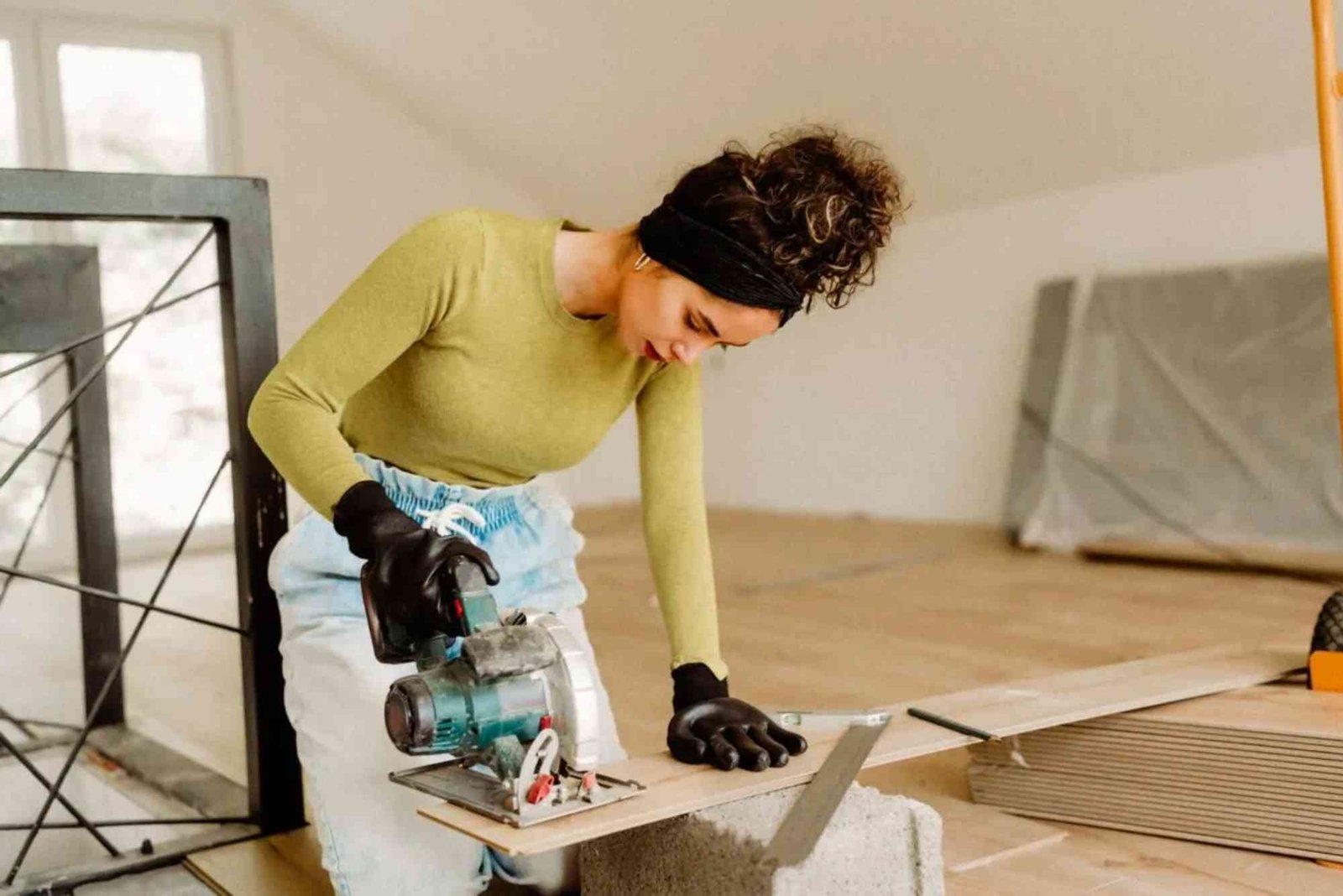
Upgrading kitchens, bathrooms, and flooring can significantly increase property value and rental income.
Energy efficiency improvements
Installing energy-efficient systems such as solar panels, insulation, and smart thermostats reduces costs and increases market appeal.
Adding functional space
Extensions, converted rooms, or additional storage can enhance usability and raise property valuation.
Tenant Management and Relationship Building
For rental property owners, tenants play a major role in property performance. Strong tenant relationships are a key part of property habits that support better growth.
Selecting reliable tenants
Screening tenants carefully reduces risks of late payments, property damage, and legal issues.
Maintaining clear communication
Good communication builds trust and encourages tenants to take better care of the property.
Encouraging long-term tenancy
Stable tenants reduce vacancy rates and ensure consistent income, which contributes to financial growth.
Regular Property Evaluation and Reassessment
Another essential property habits that support better growth is regularly reassessing property performance and value.
Market value comparisons
Understanding how your property compares to similar ones in the area helps identify growth opportunities or necessary improvements.
Rental yield analysis
Evaluating rental returns ensures that the property continues to perform as a profitable asset.
Identifying underperforming assets
If a property is not meeting expectations, it may require renovation, repositioning, or even selling.
Risk Management and Legal Awareness
Real estate involves risks, and managing them effectively is part of property habits that support better growth.
Insurance coverage
Proper insurance protects against unexpected damage, natural disasters, or liability issues.
Legal compliance
Ensuring that all documentation, taxes, and regulations are in order prevents future disputes and penalties.
Diversification strategy
Owning different types of properties or investing in multiple locations reduces risk and stabilizes returns.
Long-Term Vision in Property Investment
Short-term thinking often limits real estate success. One of the most valuable property habits that support better growth is maintaining a long-term perspective.
Thinking beyond immediate profit
Property value grows significantly over years, not months. Patience often leads to better returns.
Reinvesting profits wisely
Using rental income or sale profits to acquire new assets helps compound growth.
Building a portfolio mindset
Instead of viewing properties individually, successful investors see them as part of a broader portfolio strategy.
Developing strong property habits that support better growth is not about complex strategies or quick wins. It is about consistency, awareness, and smart decision-making over time. From maintenance and financial planning to market awareness and tenant management, every habit contributes to long-term property success.
How to Build Property Knowledge Before Investing: Building strong property knowledge before investing is essential for making smart decisions. Start by researching market trends, property locations, and pricing history. Learn about legal requirements, risks, and returns. Follow real estate experts, read guides, and analyze successful investments. This preparation helps reduce risks and increases your chances of profitable property investment.
FAQs
What are property habits that support better growth?
They are consistent actions like maintenance, financial planning, and market analysis that help increase property value over time.
How do property habits affect real estate value?
Good habits improve property condition, reduce risks, and ensure better rental income, all of which increase long-term value.
Why is maintenance important for property growth?
Regular maintenance prevents costly repairs and keeps the property attractive and structurally sound, boosting its market value.
Can small upgrades increase property value?
Yes, even minor improvements like painting, lighting upgrades, or kitchen updates can significantly improve property appeal and value.
How often should I evaluate my property?
Ideally, property evaluation should be done at least once or twice a year to track performance and market changes.
Related Reading: How to Increase the Appeal of Property for Modern Buyers
Related Reading: Mistakes in Selling Property That Can Reduce Offers