
Introduction
Driving on rough roads can be challenging, whether in rural areas, mountainous regions, or urban streets with poor maintenance. A car that handles uneven terrain safely and comfortably can make all the difference. Choosing the best cars for rough roads requires understanding key features like suspension, ground clearance, traction, and durability. In this guide, we will explore vehicles designed to tackle rough terrain without compromising comfort, performance, or reliability.
Why Choosing the Right Car for Rough Roads Matters
The right vehicle for rough roads is not just about style or brand. Poor road conditions can damage tires, suspension systems, and even the chassis of an ordinary car. Moreover, a car that isn’t built for uneven terrain can compromise safety and handling, leading to accidents or breakdowns. The best cars for rough roads are engineered with features such as high ground clearance, advanced traction systems, reinforced suspension, and durable tires, making them capable of navigating potholes, rocky paths, and uneven surfaces with ease.
Key Features of the Best Cars for Rough Roads
Ground Clearance and Suspension
Ground clearance is critical for driving on uneven roads. Vehicles with higher clearance can avoid scraping the undercarriage on rocks or steep bumps. Suspension systems are equally important. Advanced suspension absorbs shocks from potholes, mud tracks, and gravel roads, ensuring passengers remain comfortable and the vehicle maintains stability.
All-Wheel Drive or Four-Wheel Drive
Cars equipped with all-wheel drive (AWD) or four-wheel drive (4WD) provide better traction and control on slippery or uneven surfaces. AWD is ideal for mixed road conditions, while 4WD is better suited for extreme off-road situations. These systems distribute power to all wheels, reducing the risk of skidding and improving overall handling.
Tire Quality and Durability
The tires of rough-road vehicles are engineered to withstand harsh conditions. Thick sidewalls, deep treads, and durable compounds help prevent punctures while maintaining grip on loose gravel, mud, or sand. High-quality tires enhance safety and reduce maintenance costs.
Engine Power and Torque
While fuel efficiency matters, vehicles designed for rough terrain require engines capable of producing high torque at low speeds. Torque is vital for climbing steep inclines, navigating rocky paths, or pulling through muddy stretches. A balance of power and efficiency ensures the car can handle rough roads without excessive fuel consumption.
Safety Features
Safety should never be compromised. Features like electronic stability control, hill descent control, anti-lock braking systems (ABS), and reinforced frames are essential for rough-road vehicles. These technologies help drivers maintain control, prevent rollovers, and minimize the risk of accidents in challenging conditions.
Top Types of Vehicles for Rough Roads
SUVs
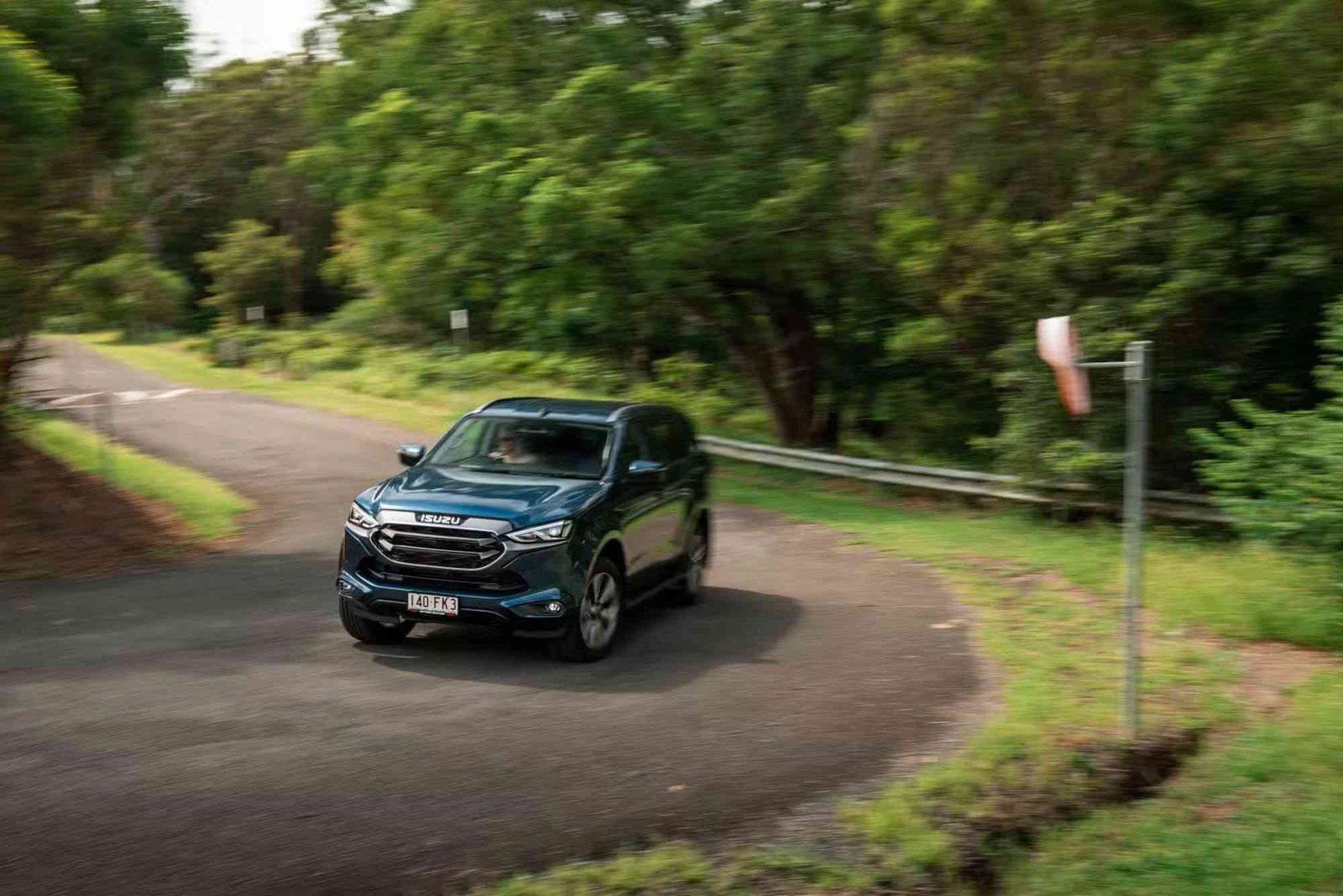
SUVs are the most popular choice for rough roads. They combine high ground clearance, robust suspension, and optional AWD or 4WD systems. Modern SUVs often come with advanced safety features and comfortable interiors, making them suitable for both off-road adventures and city driving.
Pickup Trucks
Pickup trucks are another excellent option. Their strong chassis and heavy-duty suspension allow them to carry heavy loads while navigating rough terrain. Many pickups also offer 4WD and durable tires, making them versatile for work or recreational use.
Crossovers
Crossovers bridge the gap between standard cars and full-size SUVs. They offer moderate ground clearance and AWD options while maintaining car-like handling and fuel efficiency. Crossovers are ideal for drivers who encounter occasional rough roads but still want a smooth urban driving experience.
Off-Road Specialists
Some vehicles are purpose-built for extreme off-road conditions. These include dedicated off-road SUVs and trucks with features like locking differentials, skid plates, and reinforced suspension. Such cars are perfect for explorers, adventurers, or anyone regularly driving on unpaved roads.
How to Maintain Cars for Rough Roads
Proper maintenance extends the life of vehicles driven on rough terrain. Regularly inspect suspension systems, tires, and undercarriages for damage or wear. Keep tire pressure at recommended levels, and rotate tires frequently to ensure even wear. Engine and transmission oils should be checked regularly, as driving on rough roads puts extra strain on mechanical components. Cleaning the undercarriage after off-road trips prevents mud, sand, and salt from causing corrosion or mechanical issues.
Benefits of Driving Cars Designed for Rough Roads
Investing in the best cars for rough roads offers several benefits. Firstly, these vehicles provide superior safety and handling in difficult conditions, reducing the risk of accidents. Secondly, they enhance comfort, as advanced suspension systems absorb shocks from bumps and uneven surfaces. Thirdly, durability is improved, as cars built for rough terrain can withstand wear and tear better than ordinary vehicles. Lastly, such vehicles often have versatile features, making them suitable for city commutes, long road trips, or off-road adventures.
Factors to Consider Before Buying
Budget
Vehicles designed for rough roads can range from affordable crossovers to high-end off-road SUVs. Establishing a budget helps narrow down options without compromising essential features.
Frequency of Rough Road Use
Consider how often you will drive on uneven terrain. Occasional exposure may only require a crossover or AWD vehicle, while daily rough-road driving may justify a dedicated off-road SUV or 4WD truck.
Fuel Efficiency
While rough-road vehicles are generally less fuel-efficient than standard cars, choosing an engine with a balance of power and efficiency can save money over time.
Passenger Comfort
High-performance off-road vehicles can be noisy or less comfortable. Ensure the car provides adequate seating comfort, climate control, and cargo space for your needs.
Brand Reputation and Service
Reliability is crucial when driving in challenging conditions. Choose brands known for durability and excellent after-sales service to minimize long-term costs and downtime.
Common Misconceptions
Some people assume any SUV or truck is automatically suitable for rough roads. However, not all vehicles in these categories are built for uneven terrain. Ground clearance, drivetrain, and suspension quality vary widely, so buyers should research specifications carefully. Another misconception is that off-road vehicles are uncomfortable. Modern engineering allows many vehicles to offer both rugged performance and smooth, comfortable rides.
Advantages of AWD vs. 4WD
All-wheel drive is ideal for drivers who face occasional rough conditions, such as dirt roads or light gravel. It automatically distributes power to wheels with the most traction, improving stability without driver intervention. Four-wheel drive, on the other hand, is designed for serious off-road use. Drivers can manually engage 4WD to handle steep inclines, deep mud, or rocky trails. Understanding these differences ensures you select a vehicle suited to your specific needs.
Real-World Driving Tips
Even the best cars for rough roads require careful driving. Reduce speed on uneven surfaces to prevent suspension damage. Avoid sudden braking or sharp turns, as traction may be compromised. Engage 4WD or AWD when necessary, and always inspect the vehicle after off-road trips for potential damage. Planning your route and checking weather conditions can also improve safety and vehicle longevity.
Choosing the best cars for rough roads is about combining safety, durability, and comfort. Vehicles with high ground clearance, advanced suspension, and AWD or 4WD systems offer the most reliable performance on challenging terrain. Regular maintenance and careful driving enhance longevity and ensure a safe, enjoyable experience. Whether you face rough rural roads, mountainous regions, or urban potholes, selecting the right vehicle transforms a stressful drive into a smooth adventure. If you’re ready to explore rough roads with confidence, invest in a car built to handle the journey with power, stability, and comfort.
Start exploring our top picks today and choose the vehicle that keeps you safe and comfortable on every rough road adventure.
Buying a used car can be exciting, but it’s important to stay vigilant against scams by learning smart strategies. Read How to avoid fraud when buying a used car to understand key tips like verifying documents, checking vehicle history, and inspecting the car thoroughly. Following expert advice helps you make a secure purchase and avoid costly mistakes.
FAQ
What type of car is best for rough roads?
SUVs, pickup trucks, and off-road vehicles with high ground clearance, AWD or 4WD, and durable suspension are ideal.
Do all SUVs handle rough terrain well?
No. Not all SUVs are built for uneven roads. Look for vehicles with reinforced suspension and proper drivetrain systems.
Is 4WD necessary for rough roads?
4WD is beneficial for extreme conditions like mud, steep inclines, or rocky trails, but AWD may suffice for occasional uneven surfaces.
How often should rough-road vehicles be maintained?
Check tires, suspension, and undercarriage regularly. Maintenance frequency may increase with the intensity of rough-road use.
Can crossovers be used on rough roads?
Yes, crossovers with AWD and decent ground clearance can handle mild rough roads while offering better fuel efficiency than larger SUVs.