
Introduction
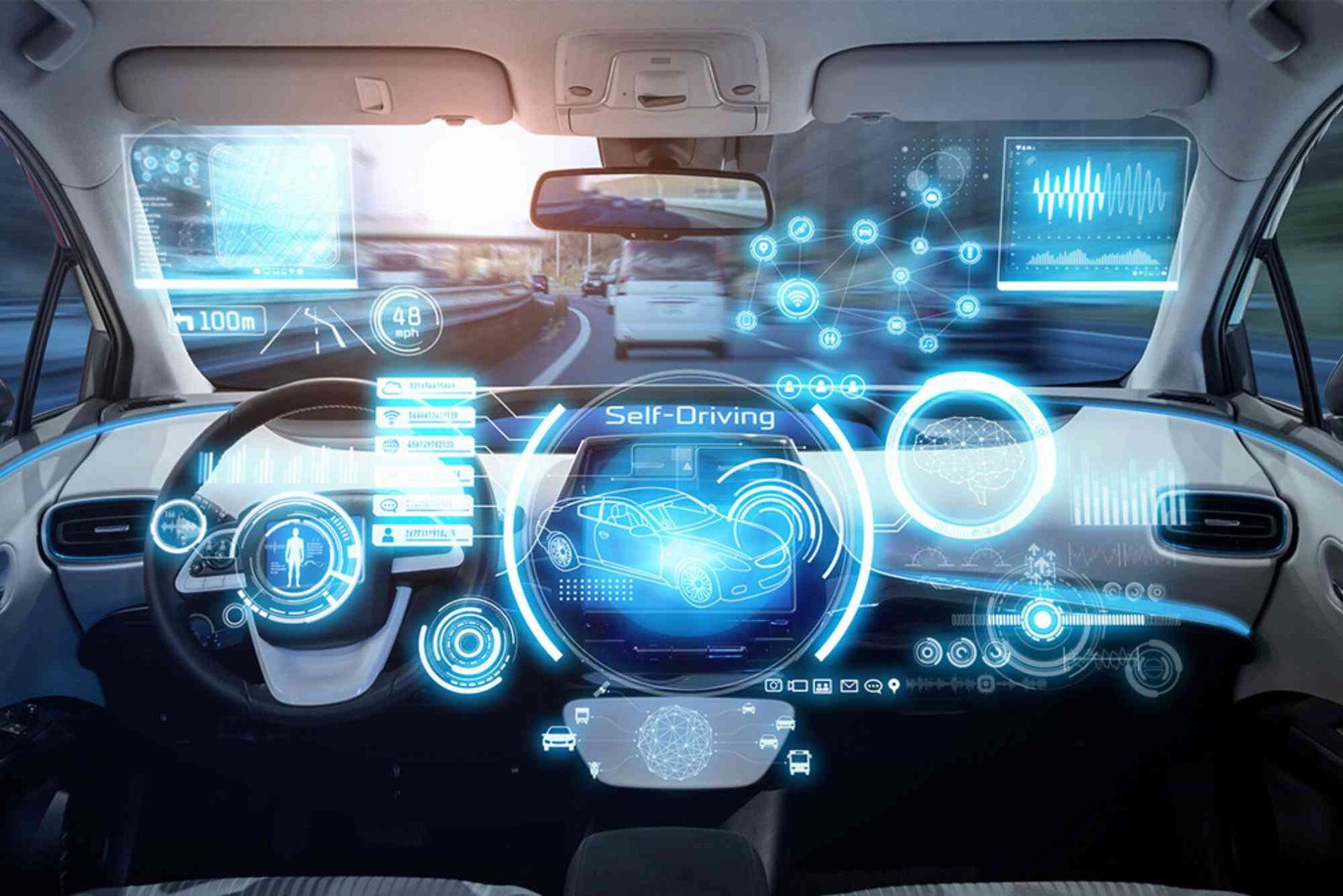
The automotive industry is undergoing a revolutionary transformation thanks to artificial intelligence (AI). Future cars with AI technology are no longer a concept limited to science fiction—they are shaping the way we drive, commute, and experience mobility. From autonomous navigation to intelligent safety systems, AI is making vehicles smarter, safer, and more efficient. In this article, we explore how AI is reshaping the future of cars and what it means for drivers, manufacturers, and society as a whole.
How AI is Transforming the Automotive Industry
AI technology has become a central driver of innovation in the automotive sector. With advancements in machine learning, computer vision, and data analytics, cars are evolving from mechanical machines to intelligent systems capable of learning and adapting. These AI-powered vehicles can analyze real-time traffic data, predict potential hazards, and optimize fuel consumption. Moreover, they enhance user experience through personalized settings, predictive maintenance alerts, and voice-activated controls. The integration of AI in vehicles marks a shift from traditional driving to a more connected, efficient, and safe approach to transportation.
Autonomous Driving and Smart Navigation
One of the most prominent applications of AI in cars is autonomous driving. Future cars with AI technology can navigate complex urban environments, highways, and even adverse weather conditions without human intervention. Advanced sensors, including LiDAR, radar, and cameras, collect massive amounts of data, which AI algorithms process to make real-time driving decisions. These systems not only detect obstacles but also anticipate the behavior of other drivers, cyclists, and pedestrians.
Smart navigation is another key aspect. AI-powered cars can plan optimal routes by analyzing traffic patterns, construction zones, and road conditions. Unlike traditional GPS systems, AI navigates dynamically, adjusting routes based on real-time circumstances, reducing travel time, and lowering fuel consumption. This technology also contributes to environmentally conscious driving by minimizing emissions through route optimization.
Safety Enhancements Through AI
Safety is a fundamental concern for drivers, and AI is revolutionizing automotive safety features. Future cars with AI technology are equipped with advanced driver-assistance systems (ADAS) that include automatic emergency braking, lane-keeping assistance, and adaptive cruise control. These systems work seamlessly to prevent accidents and reduce human error on the road.
AI also enables predictive safety features. By analyzing historical driving data, vehicle sensors, and even weather conditions, AI can anticipate potential hazards. For example, a car might warn a driver of slippery road conditions ahead or automatically reduce speed in heavy traffic. Such predictive capabilities are vital for protecting lives and preventing costly accidents.
AI and Connected Vehicles
The concept of connected vehicles is closely tied to AI technology. Future cars are not isolated machines; they interact with other vehicles, infrastructure, and cloud-based systems. AI enables vehicle-to-vehicle (V2V) and vehicle-to-infrastructure (V2I) communication, allowing cars to share information about traffic, road conditions, and accidents in real time.
This connectivity improves traffic management and reduces congestion. Imagine a city where all vehicles communicate through AI, adjusting their speeds and routes to ensure smooth traffic flow. Connected cars also facilitate over-the-air software updates, ensuring that vehicles continuously improve their performance and safety features without requiring manual intervention.
Personalized User Experience
AI technology is also transforming the way drivers interact with their vehicles. Future cars can learn driver preferences and adjust settings accordingly. From seat positioning and climate control to infotainment preferences, AI ensures a personalized driving experience.
Voice recognition and natural language processing allow drivers to control various functions without taking their hands off the wheel. AI-powered virtual assistants can provide reminders, suggest routes, and even monitor driver fatigue to recommend breaks. By making driving more intuitive and comfortable, AI enhances convenience while maintaining safety.
Impact on Automotive Manufacturing
AI is not only influencing the driving experience but also reshaping automotive manufacturing. Smart factories leverage AI for quality control, predictive maintenance of machinery, and supply chain optimization. Machine learning algorithms analyze production line data to identify inefficiencies, reduce waste, and improve overall productivity.
Robotics powered by AI can perform complex assembly tasks with high precision, reducing human error and increasing safety. Additionally, AI-driven simulations help manufacturers design vehicles with improved aerodynamics, fuel efficiency, and safety features. These advancements are lowering production costs and accelerating innovation in the automotive sector.
Environmental Benefits of AI in Cars
Sustainability is a growing concern in the automotive industry, and AI technology is playing a vital role in reducing environmental impact. AI-powered electric vehicles optimize battery usage, predict charging needs, and improve energy efficiency. Autonomous vehicles also promote eco-friendly driving by maintaining smooth acceleration and braking patterns, reducing fuel consumption and emissions.
Moreover, AI can analyze city-wide traffic data to reduce congestion, which directly impacts air quality. By integrating AI into transportation planning, cities can develop smarter, greener mobility solutions that benefit both residents and the environment.
Challenges and Ethical Considerations
Despite its potential, AI in future cars comes with challenges and ethical considerations. Autonomous vehicles must navigate complex moral decisions, such as prioritizing passenger safety versus pedestrian safety in critical scenarios. Additionally, AI systems rely heavily on data, raising privacy and cybersecurity concerns.
Ensuring the reliability of AI technology is also crucial. Malfunctions or errors in autonomous systems could lead to accidents, highlighting the importance of rigorous testing and regulatory oversight. Manufacturers must balance innovation with safety, transparency, and ethical responsibility to gain public trust in AI-driven vehicles.
The Road Ahead for AI Cars
The future of cars with AI technology is incredibly promising. As technology evolves, vehicles will become more intelligent, capable of anticipating driver needs, reducing accidents, and optimizing traffic flow. AI will continue to integrate with smart city infrastructure, autonomous delivery systems, and even mobility-as-a-service platforms.
We can expect widespread adoption of autonomous taxis, self-driving freight trucks, and fully connected electric vehicles in the next decade. As AI becomes more sophisticated, driving may shift from an active task to a more passive, enjoyable experience, transforming the concept of personal transportation entirely.
Future cars with AI technology represent a major leap forward in mobility, safety, and sustainability. By combining autonomous navigation, predictive safety systems, connected networks, and personalized experiences, AI is reshaping the way we live and travel. While challenges remain, the potential benefits for drivers, manufacturers, and society are immense. Embracing AI-driven vehicles today ensures a smarter, safer, and more efficient transportation ecosystem for tomorrow.
Stay informed about AI developments in the automotive industry and explore how these technologies can enhance your driving experience. Whether you are a car enthusiast, a tech lover, or a forward-thinking driver, the future of AI-powered cars is closer than you think.
Choosing a trusted car workshop is essential for maintaining your vehicle’s performance and safety. Look for certified mechanics, positive customer reviews, and transparent pricing. A reliable workshop ensures timely repairs and genuine parts, giving you peace of mind on the road. Learn more practical tips for selecting the right service center here: Tips for Choosing a Trusted Car Workshop
FAQ Section
What are future cars with AI technology?
Future cars with AI technology are vehicles equipped with artificial intelligence for autonomous driving, safety enhancements, smart navigation, and personalized experiences.
How safe are AI-powered cars?
AI-powered cars are designed to reduce accidents by predicting hazards, assisting drivers, and reacting faster than human reflexes, though ethical and technical challenges remain.
Will AI cars replace human drivers?
AI cars aim to assist and eventually provide fully autonomous driving, but human oversight may still be required in complex or unpredictable situations.
How does AI improve fuel efficiency in cars?
AI optimizes driving patterns, selects efficient routes, and manages electric or hybrid powertrains to reduce fuel consumption and emissions.
When will AI cars be widely available?
Widespread availability depends on regulatory approval, technological maturity, and infrastructure development, but gradual adoption is expected over the next decade.
Are AI cars environmentally friendly?
Yes, AI cars, especially electric ones, improve energy efficiency, reduce emissions, and contribute to sustainable urban transportation.