
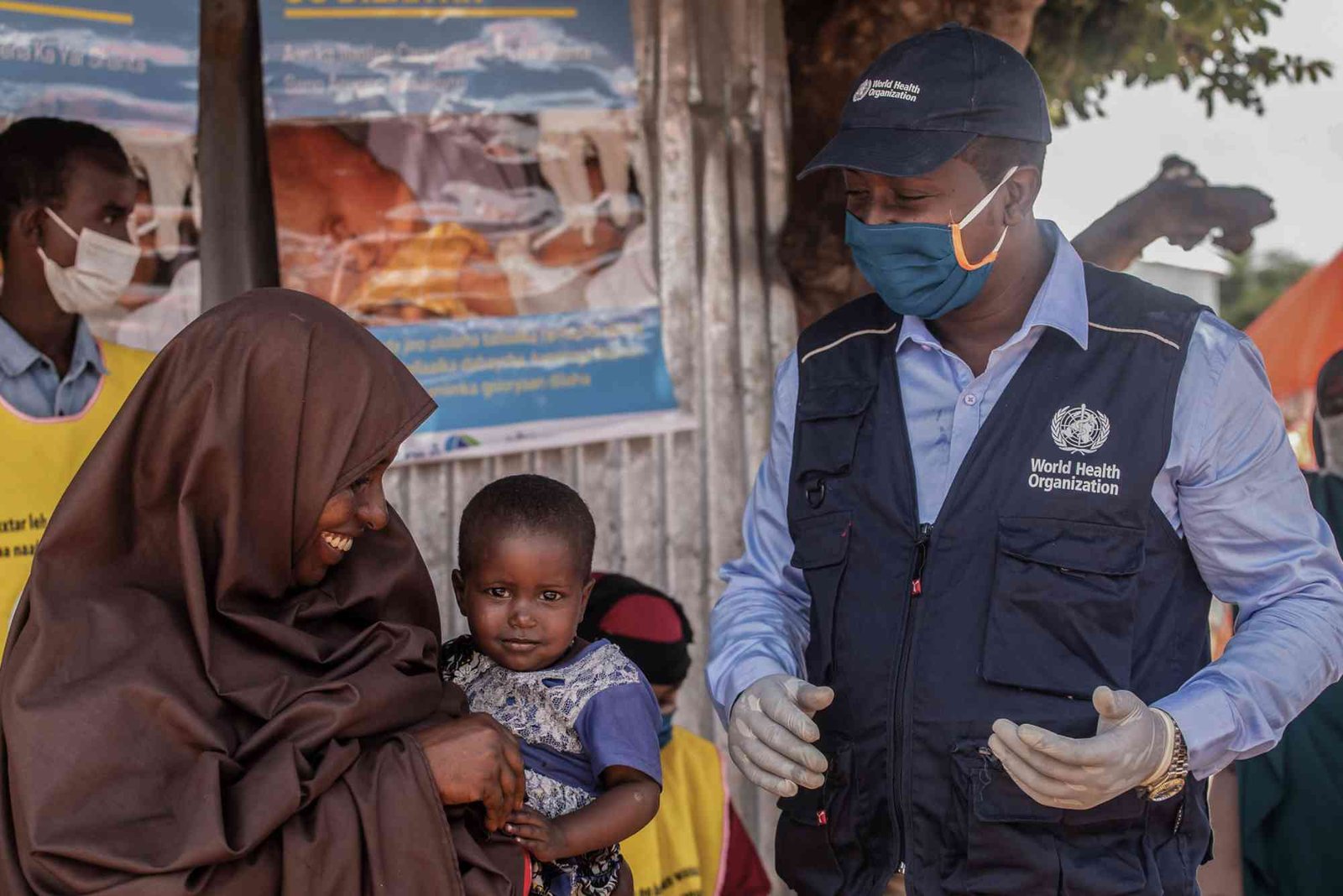
Introduction
The spread of infectious diseases has long posed a significant challenge to public health worldwide. Governments play a crucial role in mitigating these risks, using coordinated strategies to protect populations from outbreaks. Government efforts to reduce disease transmission are essential not only to safeguard health but also to maintain economic stability, social cohesion, and public confidence. From prevention campaigns to emergency responses, understanding these initiatives helps citizens appreciate the measures taken to keep communities safe.
Strengthening Public Health Infrastructure
One of the primary government efforts to reduce disease transmission is investing in robust public health infrastructure. Hospitals, clinics, and laboratories form the backbone of disease monitoring and response. Governments ensure that healthcare facilities are equipped with necessary tools, such as diagnostic equipment and isolation units, to identify and manage infectious diseases effectively. By upgrading laboratories and enhancing testing capabilities, authorities can detect outbreaks early, preventing widespread transmission.
Training healthcare professionals is another critical aspect of public health infrastructure. Governments organize workshops and courses for doctors, nurses, and laboratory technicians to keep them updated on disease detection, infection control, and emergency protocols. A well-prepared medical workforce can respond quickly to outbreaks, limiting the spread of infections within communities.
Disease Surveillance and Reporting Systems
Accurate and timely information is vital in controlling disease transmission. Governments establish surveillance systems to track the occurrence of infectious diseases and identify potential hotspots. These systems collect data from hospitals, clinics, and community health programs, allowing health authorities to monitor trends and detect unusual patterns.
Advanced technologies, such as digital reporting platforms and mobile health applications, enhance disease surveillance. Real-time data helps officials make informed decisions about resource allocation and preventive measures. By maintaining an up-to-date record of disease incidence, governments can prioritize high-risk areas and implement targeted interventions.
Vaccination Programs and Immunization Campaigns
Vaccination is one of the most effective tools in preventing infectious diseases. Governments worldwide implement immunization programs to protect citizens from illnesses like influenza, measles, and hepatitis. Public vaccination campaigns aim to reach all population segments, especially vulnerable groups such as children, the elderly, and individuals with compromised immune systems.
Efforts to improve vaccine accessibility are also central to reducing disease transmission. Governments subsidize vaccines, establish mobile clinics, and coordinate mass immunization drives to ensure widespread coverage. Public education campaigns emphasize the safety and benefits of vaccines, countering misinformation and encouraging participation. By maintaining high vaccination rates, communities achieve herd immunity, lowering the likelihood of outbreaks.
Health Education and Public Awareness
Informing the public about disease prevention is another key government effort to reduce disease transmission. Awareness campaigns educate citizens on proper hygiene practices, symptoms of infectious diseases, and the importance of seeking timely medical attention. Governments use multiple channels, including television, radio, social media, and community programs, to reach diverse audiences.
Education initiatives often focus on promoting handwashing, respiratory etiquette, safe food handling, and the responsible use of antibiotics. Schools and workplaces are targeted for specific programs to instill healthy habits early. Public awareness not only empowers individuals to protect themselves but also fosters collective responsibility, which is essential in reducing disease spread.
Quarantine Measures and Travel Regulations
During outbreaks of highly contagious diseases, governments may implement quarantine and travel regulations to contain transmission. These measures can include isolating infected individuals, restricting movement in affected areas, and screening travelers at borders. Quarantine policies are based on scientific evidence and are designed to balance public safety with social and economic considerations.
Travel regulations, such as mandatory testing and vaccination requirements, help prevent the importation of infectious diseases from other regions. Governments coordinate with international health organizations to monitor global trends and adjust travel policies accordingly. By limiting disease movement across borders, authorities reduce the risk of large-scale outbreaks.
Sanitation and Environmental Health Initiatives
Environmental factors play a significant role in disease transmission. Governments invest in sanitation infrastructure, including clean water supply, proper sewage systems, and waste management services. These efforts reduce the risk of waterborne and vector-borne diseases, which can spread rapidly in unsanitary conditions.
Vector control programs target disease carriers such as mosquitoes, rodents, and flies. Governments implement measures like insecticide spraying, habitat elimination, and public education on pest prevention. By improving sanitation and controlling environmental risks, authorities address root causes of disease transmission rather than focusing solely on treatment.
Emergency Preparedness and Rapid Response
Effective government efforts to reduce disease transmission also depend on emergency preparedness and rapid response. Health authorities develop contingency plans for outbreaks, ensuring that resources, personnel, and protocols are ready for immediate deployment. Emergency drills and simulations help identify weaknesses and streamline coordination among different agencies.
During outbreaks, governments establish temporary treatment centers, mobilize healthcare teams, and distribute medical supplies to affected areas. Coordination with local authorities, non-governmental organizations, and international agencies ensures a unified response. Rapid intervention minimizes disease spread, protects vulnerable populations, and restores public confidence.
Research and Development Initiatives
Scientific research is integral to controlling infectious diseases. Governments fund studies on disease mechanisms, vaccine development, and innovative treatments. Collaborative research with universities, private companies, and international partners accelerates the creation of effective interventions.
Data-driven research also informs public health policies. By understanding transmission patterns, incubation periods, and risk factors, authorities can design targeted strategies for prevention. Investments in research strengthen the evidence base, ensuring that government efforts to reduce disease transmission are both effective and sustainable.
Community Engagement and Collaboration
Public cooperation is essential for government strategies to succeed. Authorities encourage community engagement through outreach programs, volunteer initiatives, and local health committees. When communities participate in disease prevention efforts, such as reporting symptoms, adhering to hygiene guidelines, and supporting vaccination drives, transmission is significantly reduced.
Collaboration extends to private sectors and non-governmental organizations. Partnerships with businesses, media outlets, and civil society groups amplify public health messaging and resource distribution. A united approach ensures that interventions reach every corner of society, especially underserved populations.
Technology-Driven Interventions
Modern technology supports government efforts to reduce disease transmission in innovative ways. Digital contact tracing, mobile health apps, and telemedicine services enhance disease monitoring and patient care. Governments use data analytics and artificial intelligence to predict outbreak trends and allocate resources efficiently.
Technology also enables remote education on disease prevention, reducing the need for physical gatherings during outbreaks. Online platforms provide real-time updates, ensuring the public receives accurate information and guidance. By leveraging technology, authorities strengthen both preventive and reactive measures against infectious diseases.
Challenges in Reducing Disease Transmission
Despite comprehensive strategies, governments face challenges in minimizing disease spread. Misinformation, vaccine hesitancy, and limited healthcare access can undermine public health efforts. Economic constraints may limit infrastructure development or emergency response capabilities. Additionally, global travel and urbanization increase the risk of rapid disease transmission across borders.
Addressing these challenges requires adaptive policies, continuous public engagement, and international cooperation. Governments must invest in education, research, and infrastructure to overcome barriers and protect citizens effectively.
Government efforts to reduce disease transmission are multi-faceted, involving infrastructure development, surveillance, vaccination, public education, and rapid response strategies. These initiatives are critical to safeguarding public health and maintaining societal stability. By understanding and supporting these measures, citizens contribute to the collective fight against infectious diseases.
Staying informed, following hygiene guidelines, and participating in vaccination programs are simple yet impactful ways individuals can help. Together, governments and communities can limit disease spread and create healthier, safer environments. Take an active role today by practicing preventive measures and staying engaged with public health updates.
Government initiatives play a crucial role in reducing poverty by implementing social welfare programs, providing financial assistance, and promoting education and job opportunities. These efforts aim to improve living standards, empower marginalized communities, and create sustainable economic growth. Effective policies and targeted interventions can help bridge income gaps, ensuring citizens have access to essential resources and a better quality of life. Government and Poverty Reduction Efforts
FAQ
How do governments prevent the spread of infectious diseases?
Governments prevent disease spread through vaccination programs, surveillance systems, sanitation improvements, public awareness campaigns, and emergency response protocols.
Why is public awareness important in disease control?
Public awareness empowers individuals to adopt preventive measures, report symptoms early, and support community-level health initiatives, reducing transmission rates.
What role does technology play in disease prevention?
Technology enables contact tracing, real-time reporting, telemedicine, and predictive analytics, helping governments respond quickly and efficiently to outbreaks.
How do quarantine measures reduce disease transmission?
Quarantine isolates infected individuals and limits movement in affected areas, preventing pathogens from spreading to healthy populations.
Why is vaccination critical for public health?
Vaccination protects individuals and communities, creating herd immunity that lowers the overall risk of disease outbreaks.