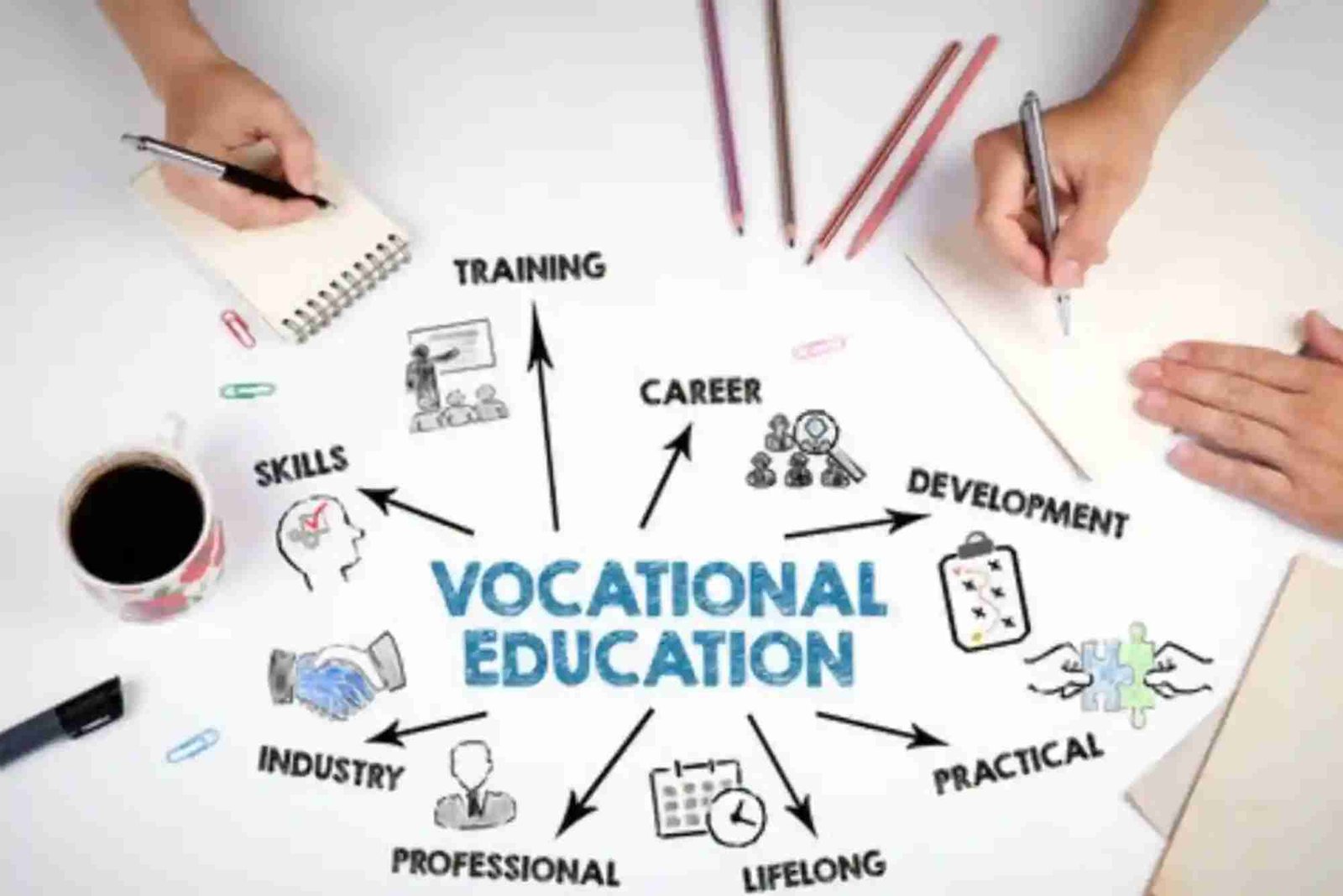
Vocational education has become a cornerstone of national development, providing individuals with practical skills directly aligned with the labor market. Government policy on vocational education plays a vital role in shaping workforce readiness, fostering innovation, and addressing employment challenges. By implementing structured policies, governments aim to bridge the gap between formal education and industry demands. This article explores the key aspects, objectives, and impacts of government policy on vocational education, highlighting its importance in today’s fast-evolving economy.
Understanding Vocational Education
Vocational education refers to training programs that prepare individuals for specific trades, crafts, or careers. Unlike traditional academic education, vocational training emphasizes practical skills, technical knowledge, and hands-on experience. This approach equips students with the expertise required to meet industry standards, making them highly employable in sectors such as manufacturing, healthcare, information technology, and construction.
Importance of Vocational Education
Vocational education enhances both individual career prospects and national economic growth. It provides youth with alternative pathways to employment, reduces skill gaps, and strengthens workforce productivity. By focusing on competency-based training, governments ensure that graduates are prepared to meet real-world challenges effectively.
Key Objectives of Government Policy on Vocational Education
Government policy on vocational education typically revolves around several core objectives aimed at enhancing accessibility, quality, and relevance of training programs.
Expanding Access and Inclusivity
Governments strive to make vocational education accessible to all, especially marginalized communities. Policies often include scholarships, subsidized courses, and community-based training centers. This inclusive approach ensures that students from different socio-economic backgrounds have equal opportunities to acquire vocational skills.
Aligning Training with Industry Needs
A central goal of government policy is to align vocational programs with labor market requirements. Policies encourage partnerships between educational institutions and industries to develop curricula that meet current and future demands. This alignment increases employability and reduces the mismatch between skills and available jobs.
Promoting Entrepreneurship
Vocational education policies also emphasize entrepreneurship and self-employment. By equipping students with business skills, governments aim to foster innovation and small business development, contributing to economic growth and reducing unemployment rates.
Enhancing Quality and Standards
Government regulations often focus on maintaining high standards in vocational education. Accreditation systems, curriculum reviews, and teacher training programs ensure that vocational institutions deliver quality education that meets both national and international standards.
Implementation Strategies
Effective government policy on vocational education requires well-planned strategies to achieve its objectives. These strategies often include infrastructure development, teacher training, curriculum updates, and funding mechanisms.
Development of Vocational Training Centers
Governments invest in establishing state-of-the-art vocational training centers equipped with modern tools and technology. These centers provide students with hands-on learning experiences that reflect actual industry practices.
Curriculum Modernization
Policies emphasize updating curricula to include emerging technologies, digital literacy, and soft skills. This modernization ensures that students remain competitive in rapidly evolving industries.
Teacher and Instructor Training
Qualified instructors are crucial for effective vocational education. Government initiatives focus on training teachers in both technical skills and pedagogical methods to enhance learning outcomes.
Public-Private Partnerships
Collaboration with private companies allows governments to leverage industry expertise, share resources, and create internship opportunities. Public-private partnerships also help tailor vocational programs to real-world requirements.
Benefits of Vocational Education Policies
Government policy on vocational education yields numerous benefits for individuals, industries, and society at large.
Increased Employment Opportunities
Vocational training equips students with job-ready skills, significantly improving their employment prospects. Policies that support apprenticeships and on-the-job training enhance these opportunities further.
Economic Growth and Productivity
A skilled workforce drives economic development. By investing in vocational education, governments strengthen industrial competitiveness, promote innovation, and increase overall productivity.
Social Empowerment
Vocational education policies empower marginalized groups, including women and rural youth, by providing them with meaningful career options. This contributes to social inclusion and equality.
Reduced Skills Gap
By aligning education with labor market needs, vocational training reduces the skills gap, ensuring that industries have access to qualified professionals.
Challenges in Implementing Vocational Education Policies
While government policies aim to promote vocational education, several challenges remain.
Funding Constraints
Adequate funding is essential for modern training facilities, qualified instructors, and updated curricula. Budget limitations can hinder the implementation of effective vocational programs.
Industry Engagement
Despite policy efforts, some industries may not fully participate in curriculum development or apprenticeship programs, limiting the relevance of training.
Perception and Awareness
Vocational education often faces societal biases, with many viewing it as a less prestigious option compared to traditional academic education. Government campaigns are necessary to improve awareness and perception.
Rapid Technological Changes
Keeping vocational programs updated with technological advancements is challenging. Policies must be flexible to incorporate emerging skills in fields such as AI, robotics, and renewable energy.
Government Initiatives and Global Examples
Several countries have successfully implemented vocational education policies that serve as benchmarks.
Germany’s Dual System
Germany’s dual vocational training system combines classroom education with practical apprenticeships in companies. This approach ensures that students gain both theoretical knowledge and hands-on experience.
India’s Skill India Mission
India’s Skill India initiative focuses on vocational training for youth, promoting employable skills across multiple sectors. Government policies support certification programs, funding, and collaboration with private enterprises.
Singapore’s Workforce Development
Singapore emphasizes lifelong learning and vocational upskilling. Policies support continuous skill development, aligning workforce capabilities with emerging industry trends.
The Role of Technology in Vocational Education
Government policy increasingly integrates technology to enhance vocational training. Online learning platforms, virtual simulations, and AI-based assessments provide flexible and effective learning opportunities. These technological interventions expand access to training in remote areas and improve learning outcomes.
E-Learning and Digital Platforms
Digital platforms allow students to access training modules anytime, anywhere. Government-supported e-learning initiatives reduce geographical barriers and increase enrollment in vocational programs.
Simulation-Based Training
Advanced simulations and virtual labs enable learners to practice technical skills in a safe environment. These tools are particularly useful in fields like healthcare, aviation, and manufacturing.
Future Directions
Government policy on vocational education is evolving to address the changing needs of the workforce. Emphasis on green skills, digital literacy, and industry-relevant competencies will define the future of vocational training. Policies must continue to foster collaboration between educational institutions, industries, and technology providers.
Emphasis on Green and Sustainable Skills
Governments are promoting vocational programs focused on renewable energy, sustainable construction, and environmental management. These initiatives align workforce development with global sustainability goals.
Focus on Lifelong Learning
Vocational education policies increasingly support continuous learning to adapt to industry transformations. Lifelong learning ensures that workers remain competitive throughout their careers.
Integration with Higher Education
Policies encourage pathways from vocational training to higher education, allowing students to pursue advanced qualifications without losing practical expertise.
Government policy on vocational education is vital for creating a skilled, adaptable, and employable workforce. By emphasizing accessibility, quality, industry alignment, and technological integration, these policies not only enhance individual career prospects but also drive national economic growth. Governments must continue to innovate and invest in vocational education to meet the demands of a rapidly evolving global economy.
Call to action: Explore local vocational training programs supported by government policies and take the first step toward a skilled and rewarding career today.
Jakta.id is a modern digital platform that delivers informative, engaging, and up-to-date content across multiple topics. It focuses on clarity, relevance, and user-friendly insights to help readers stay informed. With a clean presentation and valuable information, Jakta.id aims to become a trusted source for knowledge and trends online.
FAQ on Government Policy on Vocational Education
What is the main aim of government policy on vocational education?
The main aim is to provide practical skills, enhance employability, and reduce the skills gap between education and industry needs.
How does vocational education differ from traditional education?
Vocational education focuses on hands-on skills and industry-specific training, while traditional education emphasizes academic knowledge and theory.
What are the benefits of government-supported vocational training?
Benefits include increased employment, economic growth, social empowerment, and a reduction in skills mismatch.
How can technology improve vocational education?
Technology offers e-learning platforms, virtual labs, and simulation-based training, making education more accessible and effective.
Are vocational programs recognized globally?
Yes, many government-certified programs follow international standards, allowing graduates to work globally in their trained fields.