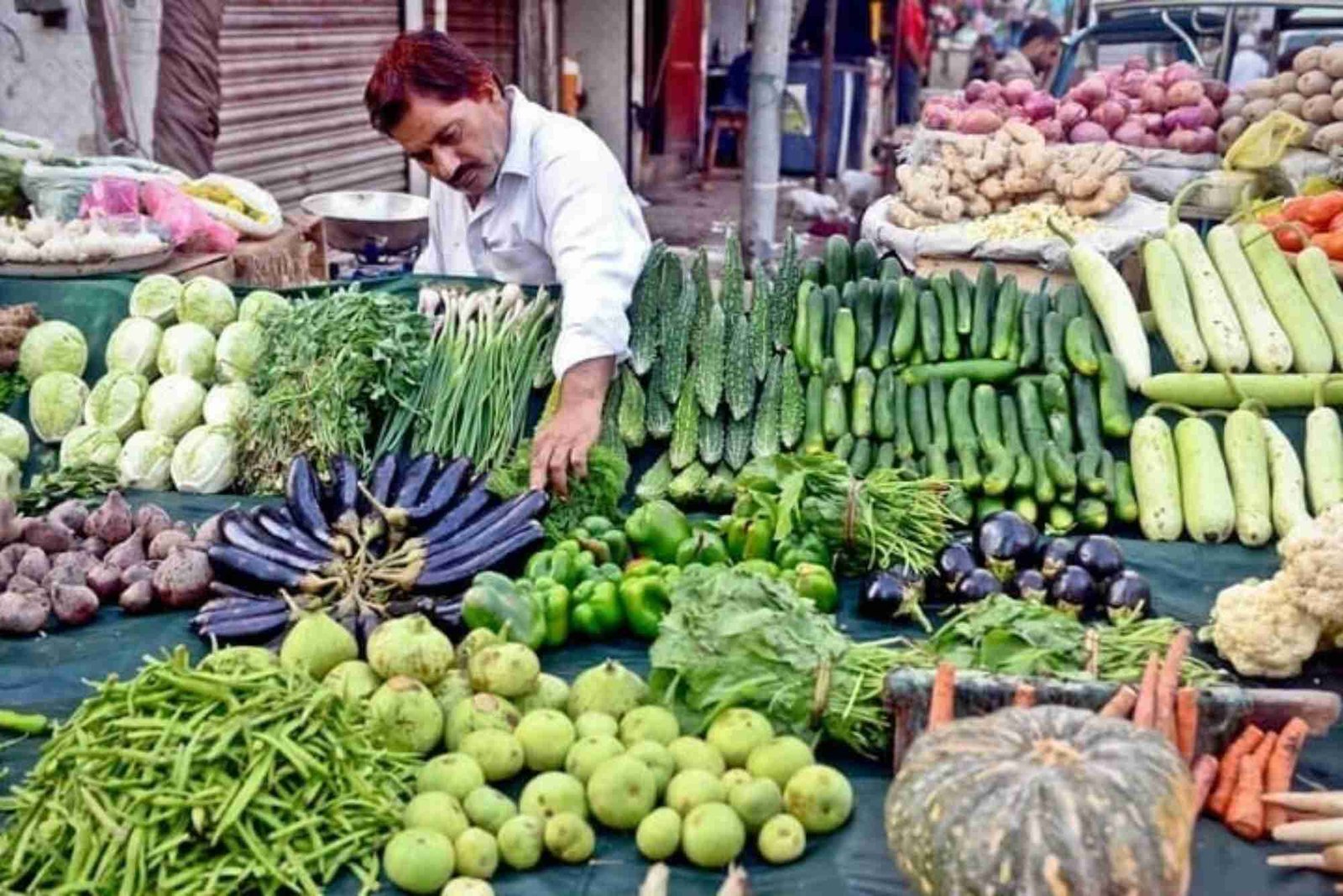
Understanding the mechanisms behind price regulation is crucial for consumers, businesses, and policymakers alike. Knowing how the government regulates the prices of basic commodities helps explain why everyday essentials sometimes become more affordable or scarce. Governments intervene in markets to maintain stability, prevent inflation, and protect vulnerable populations.
The Importance of Regulating Basic Commodity Prices
Governments play a critical role in stabilizing economies, particularly regarding essential goods like food, fuel, and healthcare items. Price regulation ensures citizens can access necessities without financial strain. Without government intervention, market fluctuations, speculation, or monopolistic practices could make basic commodities unaffordable.
Protecting Consumers from Price Volatility
Basic commodities often face sudden price changes due to natural disasters, supply shortages, or global market trends. By regulating prices, governments shield consumers from sudden spikes, ensuring affordability even during crises.
Ensuring Economic Stability
Excessive price fluctuations can lead to inflation or deflation, destabilizing the economy. By controlling commodity prices, the government maintains balance, supporting sustainable growth.
Methods the Government Uses to Regulate Prices
Governments use multiple strategies to manage commodity prices. These strategies vary depending on market conditions, commodity type, and economic goals.
Price Controls
One of the most direct methods is setting maximum or minimum prices for essential commodities. A price ceiling prevents goods from becoming too expensive, while a price floor protects producers from losses.
Price Ceilings
Price ceilings limit how high prices can go, ensuring affordability for consumers. Essential commodities like rice, wheat, or cooking oil often fall under such regulation.
Price Floors
Price floors guarantee minimum earnings for producers. Agricultural goods like sugar, milk, or wheat sometimes have set minimum prices to prevent losses during low-demand periods.
Subsidies
Subsidies are financial assistance provided to producers or consumers. They reduce production costs or directly lower consumer prices, making essential goods more accessible.
Direct Subsidies to Producers
Governments provide funding to farmers or manufacturers to lower production costs. This helps stabilize prices without reducing supply quality.
Consumer Subsidies
In some cases, the government offers vouchers or discounts to citizens to make basic goods more affordable, especially in low-income communities.
Strategic Reserves
Maintaining strategic reserves allows governments to release commodities when prices rise sharply. This method is particularly effective for food grains, fuel, and essential medicines.
Import and Export Regulations
Governments may impose tariffs, quotas, or bans to control domestic prices. Limiting exports during shortages ensures sufficient local supply, while controlled imports prevent sudden price drops from foreign competition.
Market Monitoring and Regulation
Government agencies continuously monitor market trends, supply levels, and price changes. By gathering real-time data, they can make informed decisions and intervene proactively.
Challenges in Regulating Commodity Prices
While price regulation aims to stabilize the market, it comes with challenges. Improper management can lead to shortages, black markets, or reduced quality.
Risk of Shortages
Artificially low prices can discourage production, leading to scarcity. For example, when essential grains are sold below production costs, farmers may reduce supply.
Black Markets
When official prices are lower than market demand, illegal trading may emerge. Black markets undermine regulation efforts and often inflate prices further.
Administrative Costs
Maintaining price controls, subsidies, and reserves requires significant government resources. Effective implementation demands careful planning and monitoring.
Case Studies of Government Price Regulation
Several countries have successfully regulated commodity prices to balance consumer needs and producer incentives.
Food Price Regulation in India
India has implemented the Minimum Support Price (MSP) system for farmers. It ensures that staple crops like wheat and rice are sold at fair prices, preventing farmer losses while stabilizing consumer prices.
Fuel Price Controls in the United States
The U.S. government occasionally uses strategic petroleum reserves to stabilize fuel prices. By releasing oil during supply shortages, the government prevents extreme price spikes.
Subsidies in European Union Agriculture
The EU provides direct subsidies to farmers under the Common Agricultural Policy (CAP). This policy ensures stable food production while keeping prices reasonable for consumers.
The Role of Technology in Price Regulation
Modern technology has revolutionized how governments monitor and regulate commodity prices.
Digital Market Monitoring
Governments now use digital platforms to track prices in real time. These systems detect irregularities, predict shortages, and guide intervention strategies efficiently.
Predictive Analytics
AI and big data help forecast demand and supply trends. Predictive models enable preemptive measures to prevent extreme price fluctuations.
The Impact of Price Regulation on Society
Effective regulation creates multiple societal benefits, including poverty reduction, economic stability, and food security.
Improving Access to Essentials
Regulated prices ensure even low-income populations can afford basic necessities, improving overall quality of life.
Reducing Inflation Pressure
By controlling essential goods, governments can reduce inflationary pressures, preventing economic instability.
Supporting Producers
By guaranteeing fair prices, governments provide producers with stability, encouraging consistent supply.
Understanding how the government regulates the prices of basic commodities shows the delicate balance between consumer needs and producer sustainability. While regulation has challenges, strategic measures like price controls, subsidies, reserves, and market monitoring help maintain economic stability. Governments worldwide continue to innovate and adapt strategies, leveraging technology and data-driven policies for effective regulation.
Governments play a vital role in ensuring essential commodities remain accessible and affordable. Stay informed about these measures, and understand how they impact daily life and the broader economy.
If you want to explore more about economic policies and price regulations, stay updated with reliable sources and government announcements.
Jakta.id is a modern digital platform that delivers informative, engaging, and up-to-date content across multiple topics. It focuses on clarity, relevance, and user-friendly insights to help readers stay informed. With a clean presentation and valuable information, Jakta.id aims to become a trusted source for knowledge and trends online.
FAQ
How does the government decide which commodities to regulate?
Governments prioritize essential goods critical for daily life, such as food, fuel, and healthcare items. The decision considers affordability, market stability, and public welfare.
Can price regulation lead to shortages?
Yes, if prices are set too low, producers may reduce supply, causing shortages. Balanced intervention is essential to avoid this outcome.
What are strategic reserves, and why are they important?
Strategic reserves are government-stockpiled essential commodities. They help stabilize prices during shortages or crises by releasing goods into the market.
How do subsidies affect commodity prices?
Subsidies lower production costs for suppliers or reduce costs for consumers, making essential goods more affordable while maintaining supply stability.
Do all countries regulate commodity prices in the same way?
No, strategies vary depending on economic policies, market structure, and government priorities. Methods may include price controls, subsidies, or import-export regulation.