
Introduction
Obtaining a visa can often feel like navigating a maze of paperwork, interviews, and regulations. However, with careful planning, attention to detail, and understanding the process, you can increase your chances of getting a visa easily. This comprehensive guide walks you through everything from preparing documents to avoiding common mistakes, ensuring your application is as smooth as possible.
Understanding the Visa Process
What Is a Visa?
A visa is an official authorization allowing you to enter, stay, or work in another country for a specified period. Visas are usually stamped or electronically issued, and the rules vary depending on the country and purpose of your travel.
Types of Visas
Visas are generally categorized by purpose:
- Tourist Visa: For leisure or short-term visits.
- Student Visa: For educational purposes, often requiring proof of enrollment.
- Work Visa: Allows you to work in a foreign country; usually requires an employer sponsorship.
- Transit Visa: For passing through a country en route to another destination.
- Family or Dependent Visa: For joining family members living abroad.
Knowing the correct visa type is crucial. Applying for the wrong category can lead to delays or rejection.
Guide to Getting a Visa Easily
Research Visa Requirements Thoroughly
Each country has its own visa requirements. Start by visiting the official embassy or consulate website of your destination. Key points to check:
- Application forms and instructions
- Required documents (passport, photos, financial statements, invitation letters)
- Processing times and fees
- Any travel restrictions or specific conditions
Using official sources ensures your information is accurate and reduces the risk of errors.
Prepare Your Documents Carefully
Having complete and accurate documentation is the most important step in getting a visa easily. Commonly required documents include:
- Valid passport (with at least 6 months validity)
- Passport-size photographs meeting official specifications
- Proof of financial stability (bank statements, income proofs)
- Travel itinerary, flight bookings, and accommodation details
- Invitation letters or sponsorship documents if applicable
Organize all documents in a logical order. Missing or incomplete documents are the leading cause of visa rejections.
Fill Out the Application Form Accurately
Errors on your application form can delay the process or cause rejection. Tips for accuracy:
- Double-check personal information matches your passport
- Use official language and format
- Avoid abbreviations unless specifically allowed
- Review before submission for typos or missing information
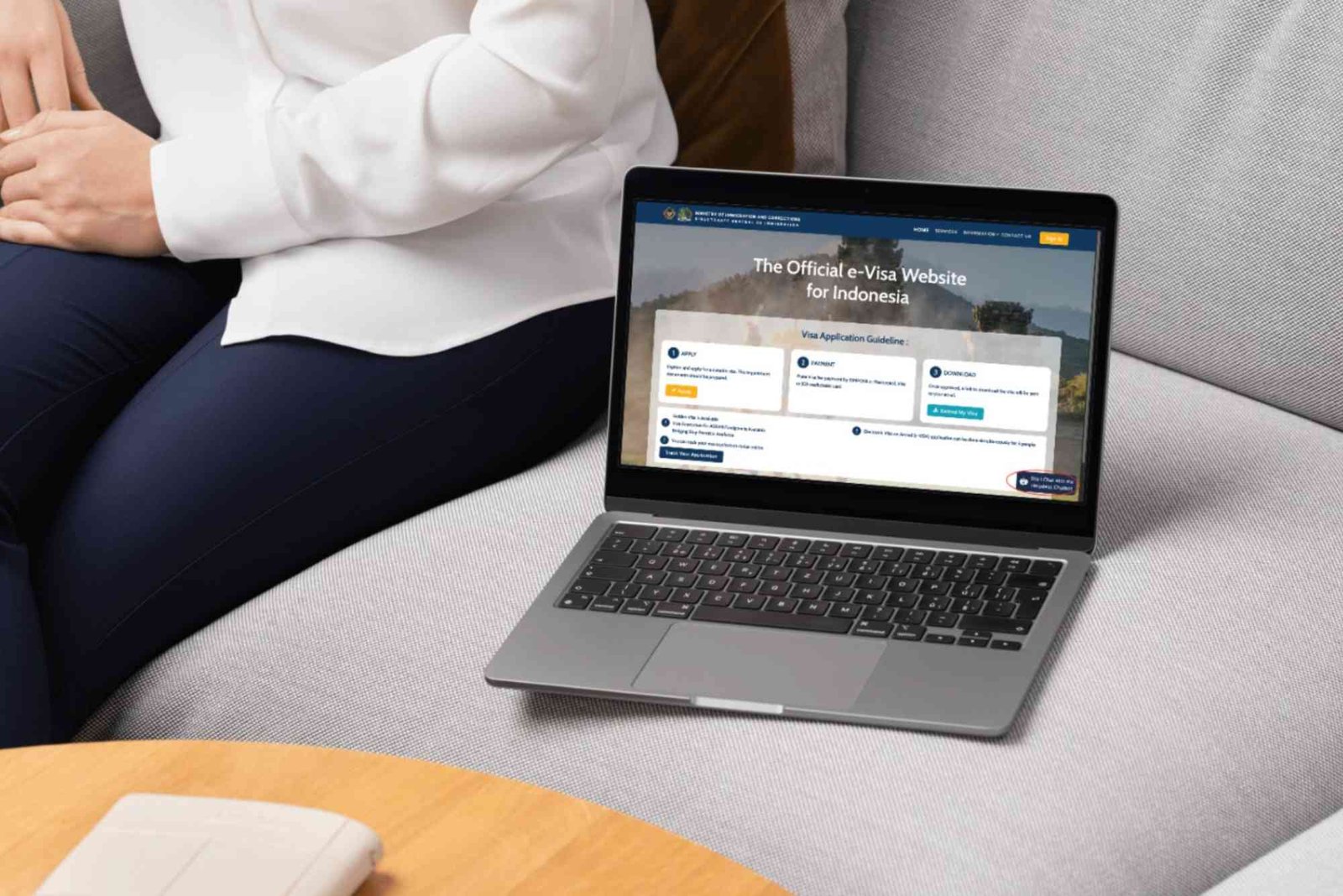
Many embassies now accept online applications, which often guide you step-by-step to reduce mistakes.
Pay the Correct Visa Fee
Visa fees vary by country and visa type. Make sure:
- You use the correct payment method accepted by the embassy
- You retain the receipt for submission or verification
- You check whether fees are refundable in case of rejection
Paying incorrectly can delay processing or invalidate your application.
Schedule an Interview (If Required)
Some visas require an in-person or online interview. Tips to prepare:
- Dress professionally and arrive early
- Bring all original documents plus photocopies
- Answer questions honestly and confidently
- Be ready to explain the purpose of your visit clearly
Preparation reduces stress and increases the chance of a positive outcome.
Track Your Application
After submission, most embassies provide tracking tools. Stay updated to:
- Know when your application is received
- Check if additional documents are requested
- Be informed about your approval or rejection
Tracking ensures you can respond promptly to any requests.
Common Mistakes to Avoid
- Incomplete documentation: Always check the checklist carefully.
- Inconsistent information: Ensure all documents match your application form.
- Late submission: Apply well in advance; some visas take weeks or months to process.
- Ignoring specific embassy instructions: Follow all guidelines precisely.
- Overstaying or violating prior visas: Past violations can lead to rejection.
Avoiding these mistakes is key to getting a visa easily and without unnecessary stress.
Tips to Increase Your Chances of Approval
Demonstrate Strong Ties to Your Home Country
Governments want to know you will return after your visit. Proof can include:
- Employment contracts
- Property ownership
- Family responsibilities
Show Financial Stability
Prove that you can support yourself without working illegally. Bank statements, tax returns, or salary slips are useful.
Use Professional Visa Services (If Needed)
While not mandatory, visa consultants or travel agencies can:
- Review documents for accuracy
- Guide through complex applications
- Schedule appointments efficiently
Ensure you choose reputable services to avoid scams.
Getting a visa does not have to be stressful. By researching thoroughly, preparing documents carefully, avoiding common mistakes, and demonstrating your purpose clearly, you can increase your chances of a smooth application process. Start planning early, stay organized, and follow the guidelines precisely to get a visa easily.
FAQs
How long does it take to get a visa?
Processing time varies by country and visa type, ranging from a few days for tourist visas to several months for work or student visas.
Can I apply for a visa online?
Many countries allow online applications. Check the official embassy website for e-visa options.
What is the easiest country to get a tourist visa?
It depends on your nationality. Some countries have visa-free or visa-on-arrival agreements with certain nations.
Do I need an interview for all visas?
Not always. Tourist visas are often processed without interviews, but student, work, or long-term visas may require one.
What should I do if my visa is rejected?
Review the reason for rejection carefully. You can reapply after addressing the issues, often with additional documentation.
How to Plan a Travel Itinerary Effectively: Planning a travel itinerary effectively starts with listing must-visit destinations, estimating travel times, and prioritizing activities. Balance sightseeing with rest, research local transportation, and leave room for flexibility. A well-structured plan ensures you enjoy your trip fully without stress or missed experiences.