Introduction
Indonesian calligraphy art is a vibrant fusion of cultural heritage and artistic expression. From traditional scripts used in ancient manuscripts to contemporary styles seen in modern galleries, calligraphy in Indonesia reflects the nation’s diverse history, religion, and aesthetics. This article delves into the development of Indonesian calligraphy, highlighting its historical roots, techniques, and contemporary evolution.
Historical Roots of Indonesian Calligraphy
Early Scripts and Cultural Influences
Indonesian calligraphy has roots in various writing systems, including the ancient Pallava script brought from India, and the Arabic script introduced with the spread of Islam. These scripts influenced local traditions, creating unique forms of writing used in religious texts, royal decrees, and literary works.
Role in Religious and Cultural Practices
Calligraphy has traditionally played a significant role in Indonesia’s religious life. Islamic calligraphy adorns mosques, Qur’an manuscripts, and ceremonial objects, while Hindu-Buddhist inscriptions reflect spiritual narratives in temples such as Borobudur and Prambanan.
Preservation in Manuscripts and Textiles
The art form was preserved in lontar manuscripts, written on dried palm leaves, and in batik patterns. The careful, intricate designs demonstrate how calligraphy served both practical and aesthetic purposes.
Techniques and Styles in Indonesian Calligraphy
Traditional Tools and Materials
Historically, Indonesian calligraphers used natural materials such as bamboo pens, palm leaves, ink made from soot, and organic pigments. These tools required precision and patience, reflecting the meticulous nature of the art.
Regional Styles and Variations
- Javanese Calligraphy: Often stylized with flowing curves, used in religious texts and royal documents.
- Sundanese Calligraphy: Characterized by bold, geometric patterns, often integrated with decorative art.
- Arabic-Influenced Calligraphy: Common in Islamic art, focusing on Qur’anic verses with ornamental motifs.
Modern Adaptations
Contemporary Indonesian calligraphy blends traditional scripts with modern design principles. Artists now incorporate digital tools, mixed media, and abstract forms, expanding the boundaries of traditional calligraphy while keeping cultural roots intact.
Indonesian Calligraphy in Contemporary Art
Galleries and Exhibitions
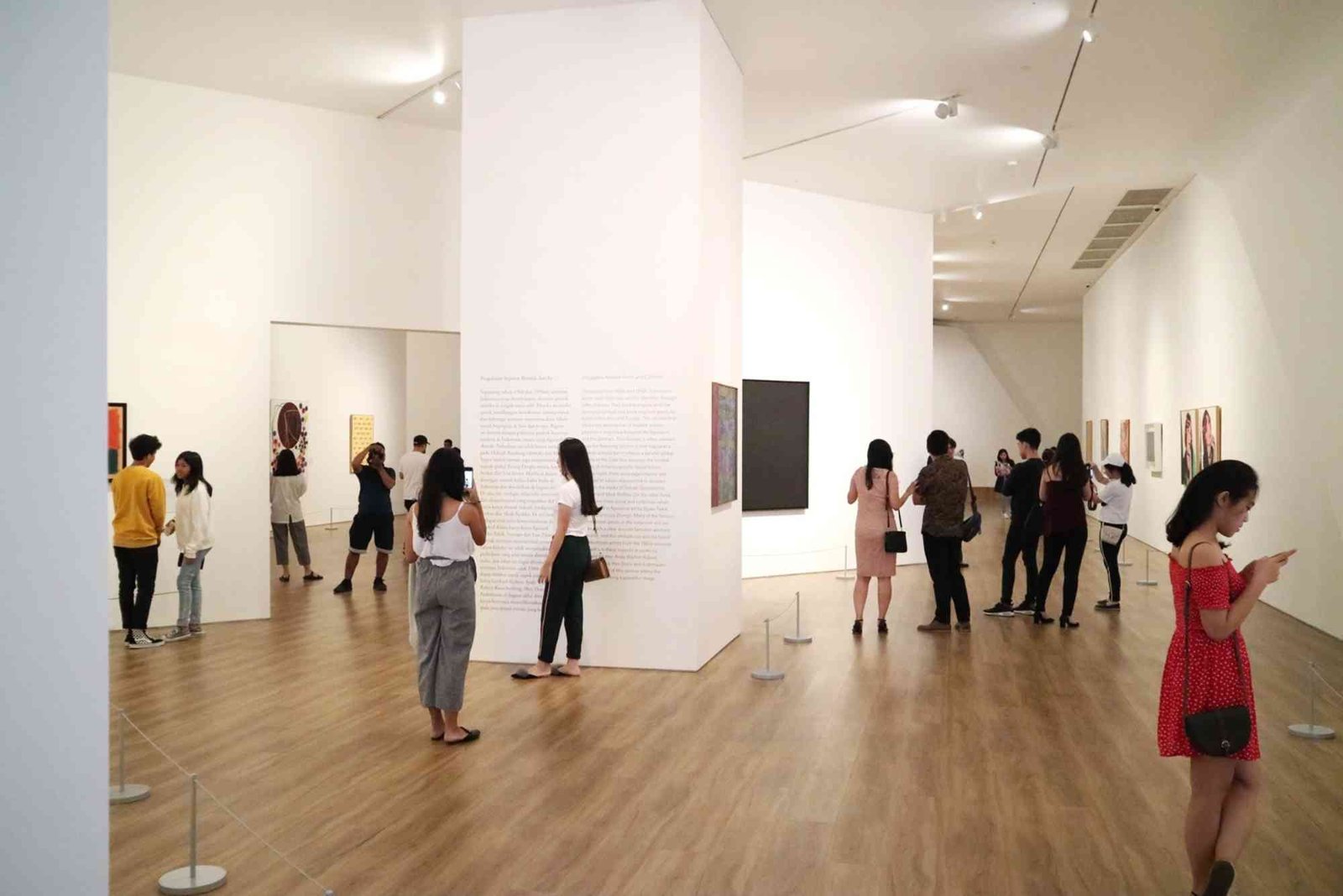
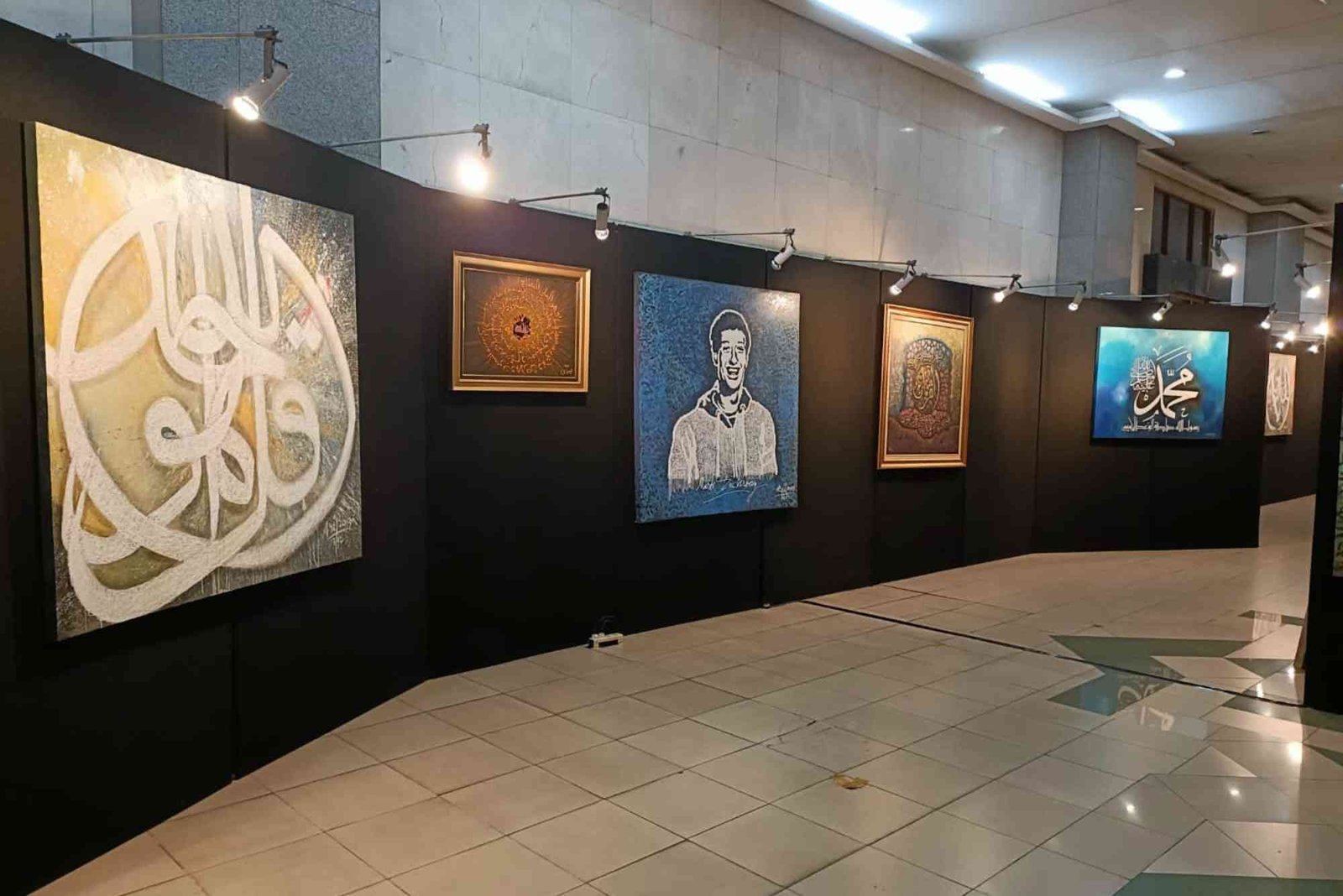
Modern calligraphers in Indonesia showcase their work in art galleries and international exhibitions, bridging traditional techniques with global art trends. This has increased the visibility of Indonesian calligraphy as both a cultural heritage and a modern art form.
Calligraphy in Digital Media
With the rise of social media and digital platforms, calligraphy has found new audiences. Artists create digital fonts, animations, and interactive designs, making the art accessible to younger generations and global audiences.
Educational Initiatives
Schools, workshops, and cultural organizations promote calligraphy education, ensuring that young artists learn traditional techniques while experimenting with contemporary styles. This has helped sustain the art form and foster innovation.
The Cultural Significance of Indonesian Calligraphy
Identity and Heritage
Calligraphy is more than an art form; it embodies Indonesia’s cultural identity and spiritual values. Each script tells a story of historical influence, religious devotion, and artistic ingenuity.
Influence on Other Art Forms
Indonesian calligraphy has influenced batik patterns, architectural decorations, and graphic design. The fusion of script with visual art highlights its versatility and enduring relevance.
Challenges and Opportunities
Preserving Traditional Techniques
Maintaining traditional tools and methods is a challenge in a rapidly modernizing society. Efforts by cultural institutions and artists are crucial for preserving these techniques for future generations.
Global Recognition
While Indonesian calligraphy is gaining attention internationally, there is potential for further promotion through exhibitions, collaborations, and academic research.
Indonesian calligraphy art reflects a deep connection between history, culture, and creativity. Its journey from ancient manuscripts to modern digital media demonstrates both resilience and adaptability. By appreciating and supporting calligraphy, we ensure that this remarkable art form continues to thrive for generations to come.
FAQs
What is the origin of Indonesian calligraphy?
Indonesian calligraphy originated from ancient scripts like Pallava and Arabic, influenced by religious and cultural practices.
How is traditional Indonesian calligraphy created?
Traditional calligraphy uses bamboo pens, natural inks, and palm leaves or paper, requiring precise, intricate strokes.
What are the main styles of Indonesian calligraphy?
Key styles include Javanese, Sundanese, and Arabic-influenced calligraphy, each with unique aesthetic and cultural features.
How has modern technology influenced calligraphy in Indonesia?
Digital tools and social media have expanded the art form, enabling animations, digital fonts, and global exposure.
Where can I learn Indonesian calligraphy?
Calligraphy workshops, cultural centers, and online courses offer training in both traditional and modern styles.
Fashion Trends from Popular Culture: Fashion trends from popular culture shape the way people dress, blending music, movies, and social media influences. Celebrities and influencers often set the tone, making streetwear, vintage styles, or bold accessories go viral. These trends reflect identity, creativity, and the ever-changing tastes of global youth culture.