
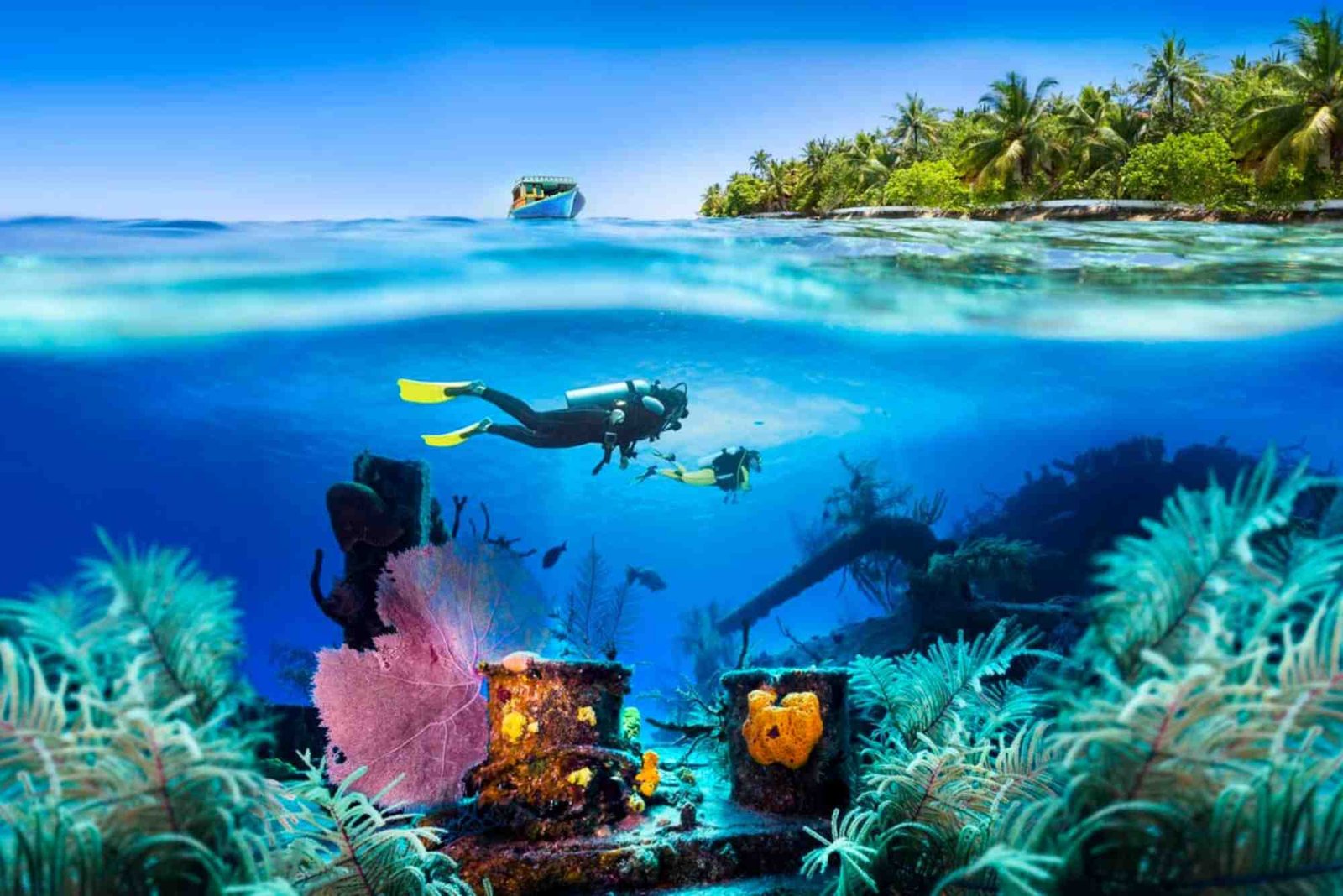
Exploring the underwater world is an experience like no other. Diving opens a window to a vibrant, colorful, and often mysterious world beneath the surface. Whether you are a beginner or an experienced diver, the planet offers countless locations where you can witness stunning coral reefs, fascinating marine life, and even historical shipwrecks. The following guide introduces some of the most popular diving spots that attract enthusiasts from around the globe.
Great Barrier Reef, Australia
The Great Barrier Reef is the world’s largest coral reef system and one of the most iconic diving destinations. Stretching over 2,300 kilometers, it features thousands of individual reefs and islands. Divers can encounter a wide range of marine life, from giant clams to reef sharks. Visibility in the water often exceeds 20 meters, making it perfect for photography and underwater exploration. Seasonal variations bring different experiences, with warmer months offering more vibrant corals.
Blue Hole, Belize
Belize’s Blue Hole is a legendary dive site, famous for its deep blue circular sinkhole. Divers are drawn to its sheer walls adorned with stalactites and stalagmites, which create a dramatic underwater landscape. The site is suitable for advanced divers due to its depth, but the unforgettable view of the limestone formations and large marine species makes it worth the effort. The surrounding coral reef teems with parrotfish, groupers, and even nurse sharks.
Raja Ampat, Indonesia
Located in the heart of the Coral Triangle, Raja Ampat is celebrated for its incredible biodiversity. Divers can explore pristine reefs filled with thousands of fish species and vibrant corals. Its remote location ensures minimal crowding, providing a more intimate diving experience. The region’s currents attract pelagic species, including manta rays and reef sharks. Photography enthusiasts will find Raja Ampat especially rewarding due to the stunning colors and clear waters.
Red Sea, Egypt
The Red Sea is a favorite for both beginners and experienced divers. Its warm waters, excellent visibility, and extensive coral gardens make it an accessible yet spectacular location. Famous sites like Ras Mohammed and the Thistlegorm wreck offer diverse experiences. The area is home to countless fish species, including lionfish, angelfish, and giant groupers. Many dive centers provide guided tours, making it easier to explore safely while discovering hidden underwater treasures.
Palau, Micronesia
Palau is renowned for its marine biodiversity and dramatic underwater landscapes. Divers can explore walls, caves, and drop-offs populated by sharks, rays, and schools of barracudas. The Jellyfish Lake is a unique experience where divers and snorkelers encounter millions of harmless jellyfish. Palau also emphasizes environmental protection, ensuring that diving activities remain sustainable.
Galápagos Islands, Ecuador
The Galápagos Islands provide a one-of-a-kind diving adventure. The nutrient-rich waters attract large pelagic species, including hammerhead sharks, whale sharks, and manta rays. The cold currents from the Pacific mix with tropical waters, resulting in a rich ecosystem that supports an extraordinary variety of marine life. The islands’ remote location offers relatively untouched dive sites, making every underwater excursion memorable.
Maldives
The Maldives is famous for its atolls and clear turquoise waters. Divers can enjoy abundant coral reefs, manta ray cleaning stations, and encounters with whale sharks. Many resorts offer liveaboard trips, allowing divers to reach remote sites with minimal crowds. The combination of calm lagoons and strong currents creates diverse diving conditions, suitable for a range of skill levels. Night dives are particularly spectacular due to the presence of bioluminescent plankton.
Sipadan, Malaysia
Sipadan is consistently ranked among the world’s top diving destinations. The island is famous for its steep walls covered in soft corals and large schools of fish. Turtles are common, and divers often spot barracudas forming mesmerizing twisters in the open water. Access to Sipadan is limited to preserve the marine environment, which ensures a more pristine diving experience.
Bonaire, Caribbean Netherlands
Bonaire is known for its easy shore dives and crystal-clear waters. The island has made marine conservation a priority, resulting in thriving coral reefs and abundant fish life. Divers can explore hundreds of dive sites without the need for boats, making it ideal for beginners and those looking for relaxed diving experiences. Visibility often exceeds 30 meters, providing excellent conditions for underwater photography.
Fiji
Fiji offers a variety of diving experiences, from soft coral gardens to thrilling shark dives. The country is sometimes called the “Soft Coral Capital of the World” due to its vibrant and diverse reefs. Beqa Lagoon is famous for its shark encounters, where divers can safely swim with multiple species. Fiji’s warm, clear waters make it suitable for divers year-round, offering both calm lagoon dives and exciting drift dives along reef passes.
Thailand, Andaman Sea
Thailand’s Andaman Sea is home to some of the most popular diving spots in Southeast Asia. The Phi Phi Islands, Similan Islands, and Koh Tao offer diverse underwater landscapes. Divers can explore caves, walls, and wrecks teeming with tropical fish and corals. Seasonal monsoon patterns influence visibility and currents, so planning is essential to ensure optimal diving conditions. Thailand also offers affordable dive packages and professional dive schools for all skill levels.
Hawaii, USA
Hawaii’s islands are known for unique lava formations and diverse marine life. The Big Island and Maui offer excellent diving spots with manta ray night dives, coral gardens, and volcanic walls. Visibility is generally good, and the warm Pacific waters attract a variety of species, including sea turtles, eels, and reef fish. Hawaii combines adventure with accessibility, allowing divers to enjoy tropical underwater scenery without long travel distances.
Tips for Choosing a Diving Spot
Selecting the perfect diving destination depends on your experience level, interests, and season. Consider the type of marine life you want to see, the visibility of the water, and the difficulty of the dive sites. For beginners, calm lagoons and shallow reefs are ideal, while advanced divers may seek deep walls, wrecks, and strong currents. Safety, local dive regulations, and eco-friendly practices are also essential factors when planning your trip.
Best Time to Dive
Seasonality plays a crucial role in diving experiences. Tropical locations like the Maldives and Raja Ampat have peak visibility during dry seasons. In the Red Sea, winter months offer calmer waters and cooler temperatures. For cold-water destinations like the Galápagos, the best time often coincides with nutrient-rich currents, which attract large marine species. Checking local conditions ensures both safety and the most memorable underwater encounters.
Exploring the underwater world is an unforgettable adventure, and the most popular diving spots offer breathtaking experiences for every diver. From coral gardens to dramatic walls, wrecks, and encounters with majestic marine creatures, these destinations showcase the beauty and diversity of our oceans. Whether you are planning your first dive or are an experienced diver seeking your next challenge, these locations provide endless opportunities for discovery. Start planning your next diving adventure today and witness the wonders beneath the waves firsthand.
Government involvement is crucial for boosting tourism, from improving infrastructure to promoting local culture. Strategic policies can attract more visitors and support sustainable development. Learn more about the role of the government in tourism development here.
FAQs
What is the easiest diving spot for beginners?
Bonaire and the Maldives offer calm waters and accessible reef sites, ideal for novice divers.
Which diving destination has the most marine biodiversity?
Raja Ampat is renowned for its unmatched marine biodiversity in the Coral Triangle.
Do I need a certification to dive in these spots?
Yes, most locations require at least an Open Water Diver certification, and advanced sites may need additional qualifications.
What is the best time of year to dive in the Great Barrier Reef?
The dry season, between June and November, provides excellent visibility and comfortable temperatures.
Are night dives safe for beginners?
Night dives can be safe with professional guidance, but beginners should start with daytime dives before attempting them.
Can I dive with sharks safely?
Many destinations, including Fiji and the Galápagos, offer guided shark dives that follow strict safety protocols.
Is underwater photography allowed in popular diving spots?
Yes, but it’s essential to follow local regulations to avoid disturbing marine life.
How do I choose a sustainable diving location?
Look for areas with strict conservation policies, limited access, and responsible dive operators who follow eco-friendly practices.
Do I need special equipment for deep dives?
Deep dives often require advanced training and specialized gear like dive computers, redundant air supplies, and sometimes technical diving certifications.
Are liveaboard trips worth it?
Absolutely. They provide access to remote dive sites, reduce crowds, and offer immersive diving experiences for multiple days.