Introduction
The development of the cloud kitchen business has reshaped the food industry in ways previously unimaginable. Also known as ghost kitchens or virtual kitchens, cloud kitchens operate without a traditional dine-in space. Instead, they focus solely on delivery and takeout services, leveraging technology to reach customers quickly and efficiently. Over the past decade, this model has gained immense traction, fueled by changing consumer behavior, technological advancements, and the rise of online food delivery platforms.
Understanding Cloud Kitchens
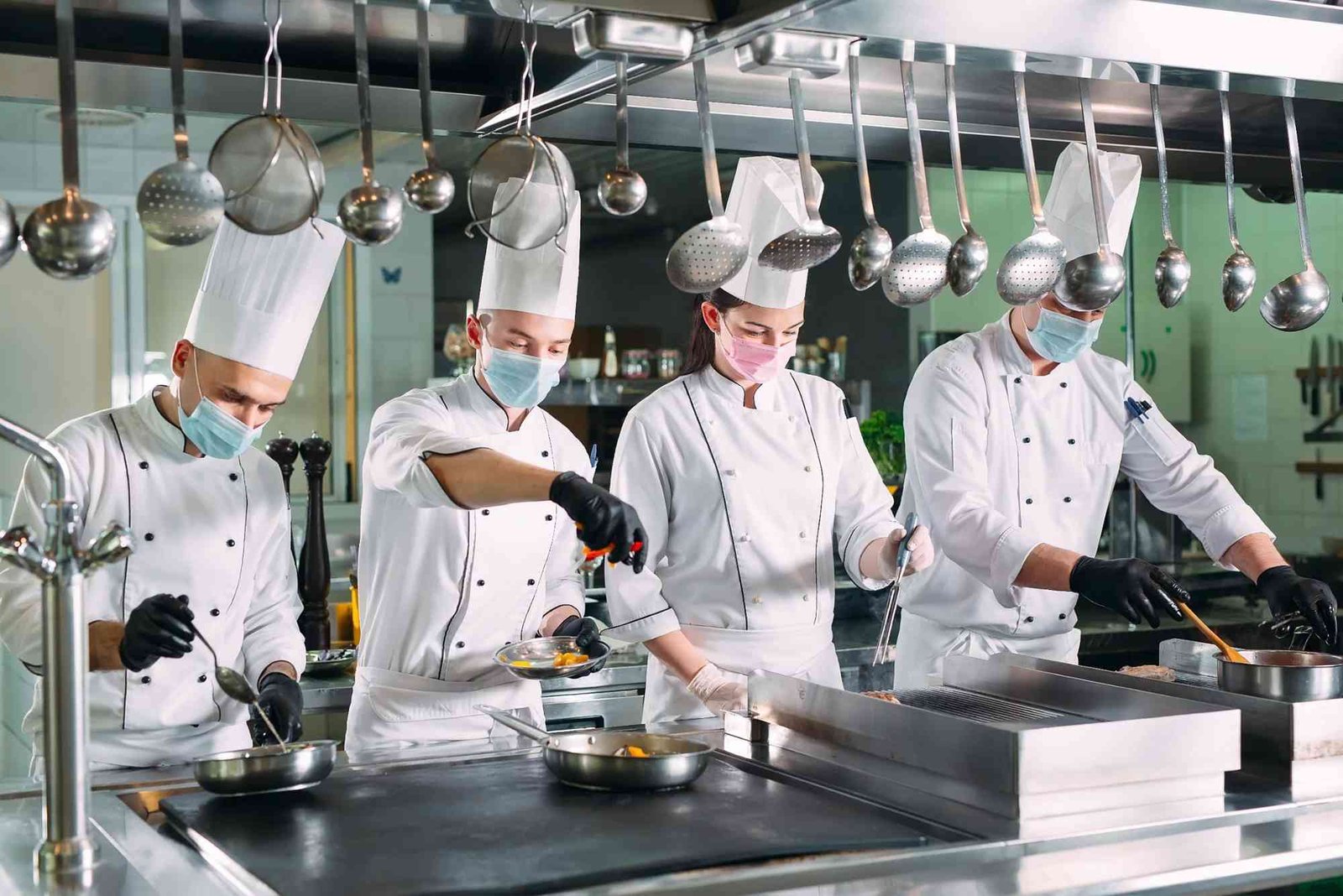
Cloud kitchens are essentially commercial kitchens optimized for delivery services. Unlike conventional restaurants, they eliminate the need for prime real estate, dining areas, and large front-of-house staff. This lean operational model allows entrepreneurs and established brands to experiment with menus, scale efficiently, and reach a wider audience with lower overhead costs. The development of the cloud kitchen business is closely tied to the surge in digital ordering platforms, making it easier for businesses to connect with customers without the limitations of physical locations.
Why Cloud Kitchens Are Growing
Several factors contribute to the rapid growth of cloud kitchens. Firstly, consumer demand for convenience and fast delivery has soared. Busy lifestyles and urban living have made ordering online a daily habit for many. Secondly, technological tools like apps, delivery aggregators, and AI-powered kitchen management systems allow cloud kitchens to operate more efficiently than ever. Thirdly, the COVID-19 pandemic accelerated the adoption of delivery-focused models, pushing both new and traditional restaurants to explore cloud kitchens as a viable solution.
Cost Efficiency and Flexibility
One of the most appealing aspects of cloud kitchens is cost efficiency. Without the expenses associated with front-of-house operations, businesses can invest in high-quality ingredients, marketing, or kitchen technology. This cost-effective structure also allows entrepreneurs to experiment with multiple brands or cuisines from a single location, increasing the potential for profit. Additionally, cloud kitchens offer remarkable flexibility. They can be established in urban areas, suburban zones, or even inside existing restaurants, adapting to market demand with minimal risk.
Technology Driving the Cloud Kitchen Revolution
The development of the cloud kitchen business is inseparable from technological innovation. From online ordering platforms to kitchen management software, technology enables these kitchens to operate smoothly and respond to real-time customer demands. AI and data analytics allow operators to predict peak hours, manage inventory, and personalize customer experiences. Delivery tracking systems ensure timely service, while automated marketing tools help maintain customer engagement.
Integration With Delivery Platforms
Partnerships with delivery platforms are crucial for cloud kitchen success. Platforms such as Uber Eats, DoorDash, and Zomato act as intermediaries, connecting kitchens to millions of potential customers. By integrating seamlessly with these apps, cloud kitchens can manage orders efficiently, monitor performance, and optimize delivery times. This symbiotic relationship has been a key driver in the rapid expansion of the cloud kitchen model globally.
Menu Optimization Through Data
Data analytics is a powerful tool in the cloud kitchen industry. Operators can analyze customer preferences, peak ordering times, and popular menu items to refine offerings. Dynamic menus allow kitchens to adjust in real time, introducing trending dishes or removing underperforming items. This approach minimizes food waste, reduces operational costs, and enhances customer satisfaction, highlighting how technology supports the development of the cloud kitchen business.
Market Trends Shaping Cloud Kitchens
The cloud kitchen business is influenced by several key market trends. Urbanization and rising disposable income have increased the demand for delivery and takeaway meals. Millennials and Gen Z, in particular, value convenience, variety, and digital engagement, aligning perfectly with cloud kitchen offerings. Sustainability has also emerged as an important consideration. Many cloud kitchens are exploring eco-friendly packaging and sourcing locally to appeal to conscious consumers.
Multi-Brand and Shared Kitchens
A notable trend is the rise of multi-brand and shared kitchens. One kitchen facility can host multiple brands, each targeting different cuisines or customer segments. This shared model reduces overhead costs while maximizing kitchen utilization. Entrepreneurs can launch new concepts quickly without investing in separate physical locations. The trend reflects the dynamic and adaptable nature of the cloud kitchen business, allowing operators to experiment and innovate with minimal risk.
Expansion in Tier-2 and Tier-3 Cities
While initially popular in major urban centers, cloud kitchens are expanding into tier-2 and tier-3 cities. As internet penetration and smartphone adoption increase, online food delivery demand grows in smaller cities. This expansion presents opportunities for operators to tap into new markets, offering convenience and variety to previously underserved areas. It also demonstrates the scalability of cloud kitchens as a business model.
Challenges Facing Cloud Kitchens
Despite its rapid growth, the cloud kitchen business faces challenges. Intense competition among operators and brands can lead to market saturation. Maintaining food quality during delivery is critical, as customer satisfaction depends on both taste and presentation. Logistics, such as managing timely deliveries and efficient route planning, can be complex in high-demand areas. Regulatory compliance, including health standards and licensing, must also be carefully managed to avoid legal issues.
Strategies for Success
Successful cloud kitchens focus on brand differentiation, operational efficiency, and customer engagement. Consistently delivering high-quality food and optimizing delivery processes can build loyalty and positive reviews. Leveraging digital marketing, social media, and influencer partnerships can create awareness and attract new customers. Investing in staff training and kitchen technology ensures smooth operations, even during peak hours. The development of the cloud kitchen business depends on balancing innovation with practical operational strategies.
The Role of Customer Experience
Customer experience extends beyond the food itself. Packaging, delivery time, and interaction with ordering apps all contribute to overall satisfaction. Cloud kitchens that prioritize seamless, convenient, and personalized experiences are more likely to thrive. Feedback loops, such as post-delivery surveys or review monitoring, help operators identify areas for improvement and maintain a strong reputation. This focus on customer experience is a critical component of the cloud kitchen business development strategy.
Future Outlook of Cloud Kitchens
The future of cloud kitchens is promising, with continued growth expected worldwide. Advancements in automation, robotics, and AI will further streamline operations, making kitchens more efficient and scalable. Strategic collaborations with delivery platforms, grocery services, and meal subscription models could diversify revenue streams. Additionally, hybrid models combining limited dine-in options with delivery-centric operations may emerge, offering flexibility to both customers and operators.
Sustainability and Innovation
Sustainability will play a key role in shaping the future of cloud kitchens. Eco-friendly packaging, energy-efficient kitchen equipment, and sustainable sourcing practices are likely to become standard expectations. Innovation in menu design, such as plant-based options or customizable meal kits, will cater to evolving consumer preferences. As cloud kitchens continue to evolve, operators who embrace technology, sustainability, and customer-centric strategies will set themselves apart in the competitive landscape.
Investment and Industry Growth
The development of the cloud kitchen business has attracted significant investment from venture capitalists and corporate investors. Recognizing the high growth potential and low infrastructure costs, investors are funding new concepts and scaling successful brands rapidly. Industry analysts predict that cloud kitchens will continue to capture a larger share of the foodservice market, transforming the way consumers access meals and redefining the economics of the restaurant industry.
The development of the cloud kitchen business represents a major shift in the food industry, driven by technology, consumer demand, and innovative business models. With low overhead, operational efficiency, and the ability to scale rapidly, cloud kitchens offer unparalleled opportunities for entrepreneurs and established brands alike. As the market continues to grow, operators who focus on quality, customer experience, and sustainability will thrive in this dynamic landscape. The cloud kitchen model is more than a trend—it is the future of food delivery and virtual dining.
If you are considering entering the food industry, exploring a cloud kitchen could be a strategic move. Start small, leverage technology, and adapt to customer preferences to build a sustainable and profitable business.
Proper storage of fruits and vegetables can extend their freshness and reduce waste. Keep produce like apples and citrus in the fridge, while tomatoes and bananas stay better at room temperature. Use airtight containers or perforated bags to maintain moisture, and separate ethylene-producing fruits from sensitive veggies. Regularly check for spoilage and remove affected items to prevent others from going bad. For more tips, read .Tips for Storing Fruits and Vegetables to Make Them Last Longer.
FAQ
What is a cloud kitchen?
A cloud kitchen is a delivery-only kitchen without a traditional dine-in area, focused on online orders.
How does a cloud kitchen differ from a regular restaurant?
Cloud kitchens operate without a front-of-house, reducing overhead costs and focusing solely on delivery efficiency.
Are cloud kitchens profitable?
Yes, they can be profitable due to lower operational costs, flexible models, and access to a growing delivery market.
What technology is essential for cloud kitchens?
Online ordering platforms, delivery tracking, kitchen management software, and data analytics are key for smooth operations.
Can traditional restaurants benefit from cloud kitchens?
Yes, many established restaurants use cloud kitchens to expand their delivery reach without additional dine-in spaces.
How is the future of cloud kitchens shaping up?
With automation, AI, and sustainability trends, cloud kitchens are expected to grow, diversify, and transform the food industry further.