
Introduction
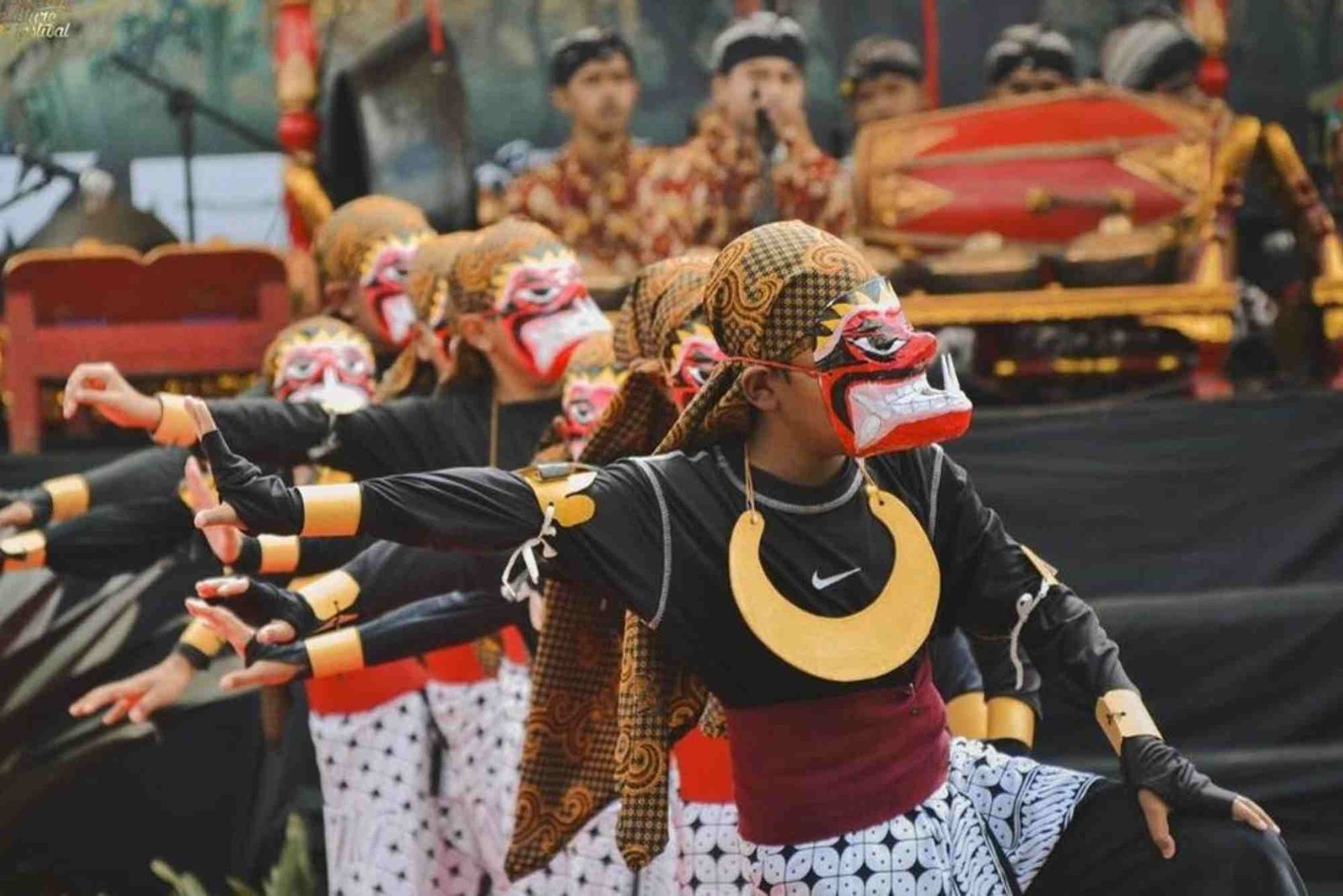
Indonesia is a land of remarkable diversity, with over 17,000 islands and hundreds of ethnic groups, each bringing its own unique customs, rituals, and celebrations. From religious ceremonies to cultural festivals, Indonesia’s celebrations are not only colorful and lively but also offer a deep insight into the nation’s rich heritage. In this article, we explore some of the most festive cultural celebrations in Indonesia, revealing why these events are must-see experiences for both locals and travelers.
Nyepi – The Balinese Day of Silence
Nyepi, also known as the Balinese New Year, is celebrated in Bali and marks the beginning of the Saka New Year in the Balinese calendar. Unlike typical festivals, Nyepi is a day of silence, reflection, and self-restraint.
Rituals and Practices
During Nyepi, the entire island of Bali comes to a standstill. Airports close, streets are empty, and people stay indoors to meditate and fast. The day before, known as Melasti, features grand purification ceremonies where sacred objects from temples are brought to the sea.
Ogoh-Ogoh Parade
On the eve of Nyepi, Balinese communities create large, colorful Ogoh-Ogoh statues representing evil spirits. These figures are paraded through the streets accompanied by traditional music and performances before being burned to symbolically cleanse the island of negative energy.
Nyepi is a unique cultural celebration that combines spirituality, community involvement, and art, offering visitors a rare opportunity to witness deep Balinese traditions.
Waisak – The Buddhist Celebration of Enlightenment
Waisak, or Vesak, commemorates the birth, enlightenment, and death of Buddha. Celebrated predominantly in Borobudur, Central Java, Waisak draws thousands of Buddhist pilgrims from across Indonesia and beyond.
Borobudur Ceremony
The highlight of Waisak is the ceremony at Borobudur Temple, the world’s largest Buddhist monument. Monks and pilgrims gather at dawn for meditation and chanting. The atmosphere is serene, yet deeply spiritual, making it a profound experience for both participants and spectators.
Lantern Processions
During Waisak, participants release lanterns into the sky or float them on water, symbolizing the release of negative karma and the pursuit of enlightenment. The glowing lanterns create a magical ambiance, emphasizing the spiritual significance of the festival.
Waisak is a perfect example of how Indonesia’s cultural celebrations blend religious devotion with visually stunning experiences.
Toraja Funeral Rites – A Celebration of Life and Death
In South Sulawesi, the Toraja people view death as a transition to the afterlife, and funerals are significant cultural events celebrated with grandeur.
Rituals and Ceremonies
Toraja funerals involve elaborate rituals, including traditional music, dances, and offerings to honor the deceased. Families often save for years to hold a funeral, which can last several days and include animal sacrifices, symbolic of respect and generosity.
Cultural Significance
These ceremonies are not only mourning events but also a celebration of life, uniting families and communities. Visitors can witness traditional Toraja architecture, including the iconic Tongkonan houses, during these festivities, providing insight into the deep cultural values of the region.
Bali Arts Festival – A Month of Creativity
The Bali Arts Festival, held annually in Denpasar, showcases the island’s rich artistic traditions, from dance and music to painting and crafts.
Performances and Competitions
Throughout the festival, local performers display traditional Balinese dances, gamelan music, and theatrical performances. Competitions highlight both traditional and contemporary arts, promoting cultural preservation while encouraging innovation.
Cultural Workshops
Visitors can participate in workshops for batik making, painting, and traditional crafts, creating an immersive cultural experience that goes beyond mere observation.
The Bali Arts Festival is a celebration of creativity, offering locals and tourists a chance to engage with the island’s vibrant arts scene firsthand.
Sekaten Festival – Yogyakarta’s Royal Celebration
Sekaten is a traditional Javanese festival held annually at the Sultan’s Palace in Yogyakarta. It commemorates the birthday of Prophet Muhammad and showcases a mix of religious and cultural performances.
Gamelan Performances
Central to Sekaten is the traditional gamelan orchestra, filling the palace grounds with enchanting music. This ancient art form, featuring bronze instruments, has been performed for centuries during the festival.
Night Markets and Cultural Shows
Sekaten is also known for its bustling night markets offering traditional foods, toys, and souvenirs. Visitors can enjoy shadow puppetry performances (wayang kulit) and traditional Javanese dances, experiencing the region’s rich cultural heritage in a lively atmosphere.
Pasola Festival – Sumba’s Thrilling Horse Ritual
The Pasola Festival is a traditional celebration of the Sumba people, involving horseback spear-throwing contests. Held to honor ancestors and ensure a good harvest, Pasola is both a ritual and a spectacle.
The Ritual Battle
Participants ride horses in teams, throwing wooden spears at opponents. The festival is highly ceremonial, beginning with prayers and offerings to the ancestors.
Community Celebration
Beyond the ritual, Pasola is a community event with traditional music, dancing, and feasting. Visitors witness an authentic display of Sumba’s warrior culture and communal bonds.
Indonesia’s cultural celebrations are a living tapestry of traditions, art, and spirituality. From the silent introspection of Nyepi to the exhilarating energy of Pasola, these festivals offer a window into the country’s rich heritage. Experiencing these events is not just about witnessing colorful rituals but also understanding the values, beliefs, and creativity that shape Indonesian society.
If you are planning to visit Indonesia, try to align your trip with one of these celebrations. Immerse yourself in the culture, participate in the festivities, and create memories that will last a lifetime.
FAQs
What is the most famous festival in Indonesia?
The Bali Arts Festival and Nyepi are among the most renowned festivals, attracting international visitors and showcasing rich cultural traditions.
When is Nyepi celebrated in Bali?
Nyepi is based on the Balinese Saka calendar and usually falls in March, with exact dates varying each year.
Can tourists participate in Indonesian cultural festivals?
Yes, many festivals welcome tourists. However, some, like Nyepi, require visitors to respect local customs, such as staying indoors during the Day of Silence.
Which festival features a horse ritual in Indonesia?
The Pasola Festival in Sumba is famous for its traditional horseback spear-throwing ritual.
Are there religious festivals unique to Indonesia?
Yes, Waisak for Buddhists, Nyepi for Hindus in Bali, and Sekaten in Yogyakarta are examples of festivals with strong religious roots unique to Indonesia.
Fashion Trends from Popular Culture: Fashion trends are often shaped by movies, music, and social media, reflecting what celebrities and influencers wear. Pop culture introduces bold styles, colors, and accessories that quickly gain popularity. From iconic movie outfits to viral social media looks, these trends influence everyday fashion and keep the style scene dynamic and exciting.