Introduction
Keeping fruits and vegetables fresh for longer can be a real challenge, especially when we want to minimize waste and save money. Many people buy fresh produce, only to find that it spoils before they can enjoy it. However, with the right storage techniques, you can extend the life of your fruits and vegetables, maintain their flavor, and retain their nutrients. In this guide, we will cover practical, expert-approved tips for storing fruits and vegetables to make them last longer, ensuring your kitchen always has fresh, healthy options ready to use.
Understanding the Basics of Produce Storage
Before diving into specific techniques, it is essential to understand why fruits and vegetables spoil. Most produce spoils due to moisture loss, improper temperature, and the release of natural gases like ethylene. Ethylene is a ripening agent produced by certain fruits, which can accelerate spoilage when stored with other produce. Temperature and humidity levels also play a significant role in keeping fruits and vegetables fresh. By understanding these factors, you can make simple adjustments to your storage habits to increase the lifespan of your produce.
How Temperature Affects Fruits and Vegetables
Fruits and vegetables have different temperature preferences. While many vegetables prefer cooler, humid environments, certain fruits do better at room temperature. For example, tomatoes lose flavor and texture when refrigerated, whereas leafy greens wilt quickly at room temperature. Most root vegetables, such as carrots, beets, and potatoes, benefit from cool, dark storage spaces. By storing produce according to its ideal temperature, you can slow down spoilage and preserve nutrients.
Proper Use of Refrigerators
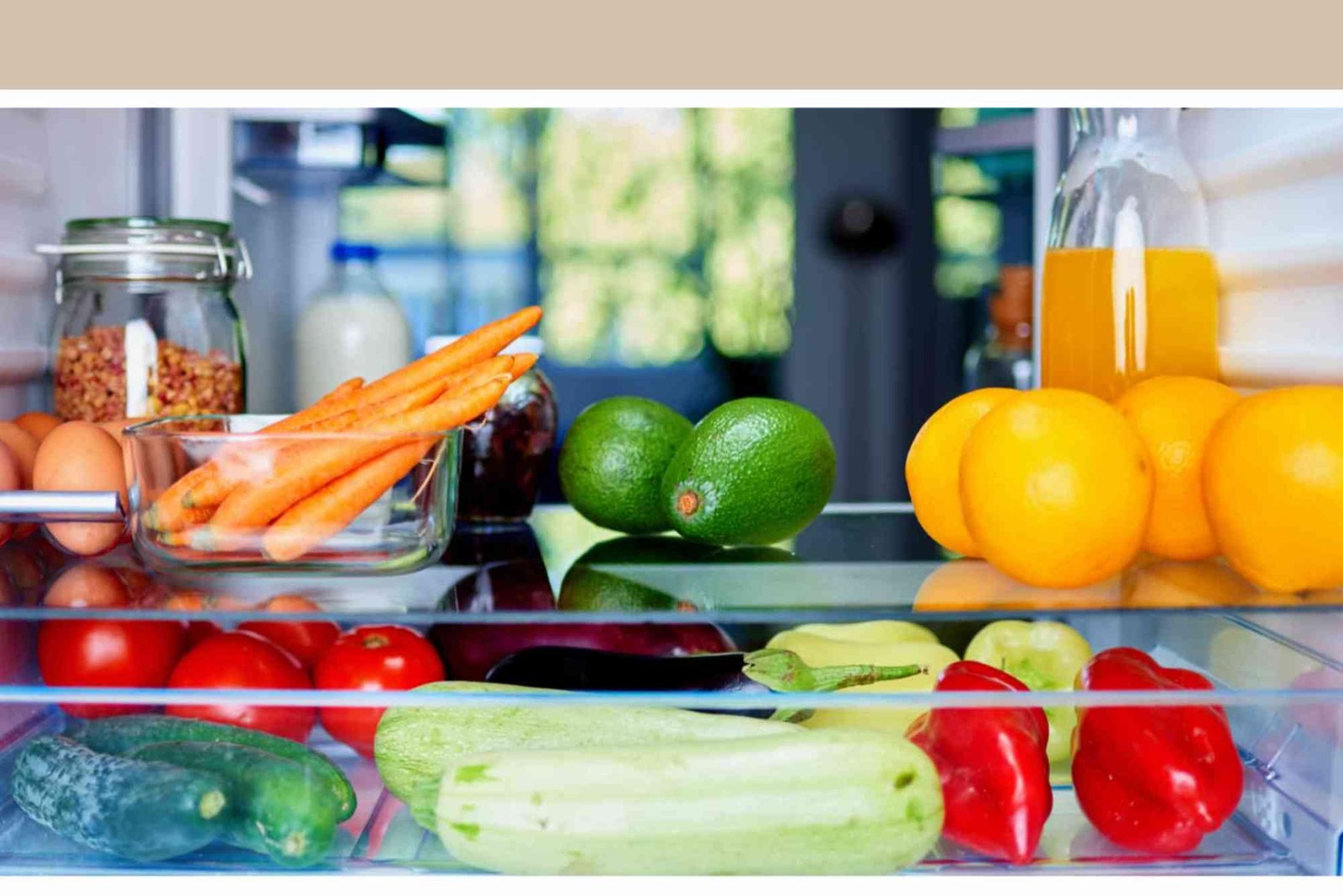
Modern refrigerators offer specific compartments for storing fruits and vegetables, but many people do not use them effectively. Most refrigerators have a crisper drawer designed to maintain higher humidity, which is ideal for vegetables like lettuce, spinach, and cucumbers. Fruits that release ethylene, such as apples and pears, should be stored separately to avoid accelerating the ripening of nearby produce. Additionally, avoid overpacking the fridge, as poor air circulation can cause uneven cooling and spoilage. Keeping the fridge clean and organized also prevents mold and bacteria growth.
Room Temperature Storage
Some fruits, like bananas, peaches, and avocados, should be stored at room temperature until they ripen. Once ripe, these fruits can be transferred to the refrigerator to slow further ripening. Citrus fruits, such as oranges and lemons, can stay fresh for several weeks at room temperature in a cool, dry place. Using breathable containers or baskets helps maintain airflow and reduces the chance of moisture buildup, which can cause mold.
Storing Leafy Greens
Leafy greens are among the most delicate vegetables, often wilting or becoming slimy within days if not stored correctly. To make them last longer, remove any damaged or wilted leaves before storage. Washing the greens and drying them thoroughly with a salad spinner or clean cloth prevents excess moisture, which can lead to decay. Storing greens in airtight containers lined with paper towels absorbs extra moisture and keeps them crisp. Alternatively, wrapping leaves in a slightly damp paper towel and placing them in a resealable bag works equally well.
Managing Root Vegetables
Root vegetables, such as carrots, radishes, and beets, are highly perishable if left in the wrong environment. Remove leafy tops before storage, as they draw moisture from the roots, causing them to shrivel. Storing roots in perforated plastic bags or containers in a cool, dark place can extend their freshness. Potatoes and onions require special attention: keep them separate, as onions release gases that can cause potatoes to sprout. Avoid storing these vegetables in direct sunlight, which can cause sprouting or bitterness.
Using Proper Containers and Packaging
How you store fruits and vegetables can significantly impact their longevity. Airtight containers, perforated bags, and breathable produce bags help maintain optimal humidity and airflow. Avoid sealing produce that needs ventilation, like mushrooms, in completely airtight bags. Using containers designed for produce storage can prevent moisture buildup, mold, and cross-contamination between items. Glass or BPA-free plastic containers with vented lids are ideal for storing chopped fruits and vegetables, making them convenient for meal prep while extending shelf life.
Understanding Ethylene Sensitivity
Ethylene gas is a natural compound released by certain fruits during ripening, which can affect nearby produce. Fruits like apples, bananas, and tomatoes produce high levels of ethylene, while vegetables like broccoli, carrots, and leafy greens are highly sensitive to it. Keeping ethylene-producing fruits away from sensitive vegetables can prevent premature spoilage. Using separate drawers in the fridge or storing these fruits at room temperature are simple strategies to minimize ethylene damage.
Freezing for Long-Term Storage
Freezing is one of the most effective ways to store fruits and vegetables for extended periods. Most produce should be blanched before freezing to preserve texture, color, and nutrients. Blanching involves briefly boiling vegetables, then quickly cooling them in ice water before placing them in airtight freezer bags. Fruits like berries and mangoes can often be frozen directly after washing and cutting. Freezing not only preserves the produce but also makes it convenient for smoothies, soups, and cooked dishes later.
Preserving Herbs
Fresh herbs add flavor and nutrition to meals but wilt quickly if not stored correctly. Treat herbs like delicate flowers: trim the stems, place them in a jar with a little water, and cover loosely with a plastic bag. Store the jar in the fridge for herbs like parsley, cilantro, and basil. Some herbs, such as rosemary and thyme, can be wrapped in a damp paper towel and stored in the crisper drawer. Freezing herbs in small portions using ice cube trays with water or oil is another excellent way to make them last longer while keeping their flavor intact.
Keeping Berries Fresh
Berries are notoriously delicate and prone to mold. Do not wash them until ready to eat, as excess moisture accelerates spoilage. Store berries in a shallow container lined with paper towels to absorb moisture and allow airflow. Some berries, like blueberries, benefit from storage in the original container, which is designed to reduce crushing. Freezing excess berries in a single layer on a baking sheet before transferring to freezer bags prevents them from sticking together and preserves their freshness.
Storing Citrus Fruits
Citrus fruits are relatively hardy but can still spoil if not handled properly. Oranges, lemons, and limes can be stored at room temperature for short periods or in the fridge for longer-term storage. Keeping citrus in a mesh bag or open container promotes airflow and prevents mold. Avoid stacking them tightly, as pressure can cause bruising, which shortens shelf life. For cut citrus, storing in an airtight container in the fridge helps maintain freshness for several days.
Tips for Tomatoes and Avocados
Tomatoes and avocados require special handling. Tomatoes should not be refrigerated unless they are fully ripe; otherwise, refrigeration can dull their flavor and alter texture. Store them at room temperature in a single layer, away from direct sunlight. Avocados ripen quickly at room temperature, but once ripe, transferring them to the fridge slows further ripening. If you have cut avocados, sprinkle lemon juice on the exposed flesh to prevent browning and store in an airtight container.
Monitoring and Rotating Produce
One of the simplest ways to make fruits and vegetables last longer is regular monitoring. Check your produce daily for signs of spoilage, such as soft spots, mold, or discoloration. Remove any affected items immediately to prevent them from affecting nearby produce. Rotating older items to the front of the storage area ensures that you use them before they spoil, reducing waste and maximizing freshness.
Natural Preservation Techniques
Several natural techniques can help extend the life of fruits and vegetables. For instance, soaking cut fruits in a mixture of water and lemon juice prevents browning, while wrapping certain vegetables in parchment paper absorbs excess moisture. Using vinegar washes for some produce, like leafy greens, can reduce bacteria and prolong freshness. Simple adjustments in preparation and storage can make a noticeable difference in keeping produce fresh.
Common Mistakes to Avoid
Avoid storing produce in plastic bags without ventilation, as trapped moisture leads to mold. Never wash fruits and vegetables before storing unless necessary, as water can speed up decay. Storing incompatible fruits and vegetables together, such as ethylene-producing fruits with sensitive greens, can also shorten shelf life. Being mindful of these common mistakes can dramatically improve the freshness of your produce.
Proper storage of fruits and vegetables is essential for maintaining their flavor, texture, and nutritional value. By understanding the needs of each type of produce, managing temperature and humidity, using the right containers, and monitoring freshness, you can significantly extend their lifespan. Implementing these tips for storing fruits and vegetables to make them last longer not only reduces waste but also saves money and ensures you always have healthy options ready to enjoy. Start applying these methods today, and you will notice a visible difference in your kitchen. Fresh produce, stored correctly, can truly make your meals more vibrant and nutritious.
Trendy beverage products that go viral on social media often capture attention with unique flavors, vibrant colors, and eye-catching presentations. From bubble teas to sparkling health drinks, these beverages combine taste with visual appeal, making them perfect for sharing online. Social media trends amplify their popularity, turning them into must-try drinks for foodies and influencers alike. Check out the latest buzz here: Trendy Beverage Products That Are Viral on Social Media.
FAQ
How can I keep fruits fresh longer at room temperature?
Store fruits like bananas and avocados in a cool, dry area away from direct sunlight. Separate ethylene-producing fruits from sensitive ones.
What is the best way to store leafy greens?
Wash, dry thoroughly, and store in airtight containers with paper towels. Keep in the fridge’s crisper drawer for optimal freshness.
Can I freeze all vegetables?
Most vegetables can be frozen, but some require blanching first. Leafy greens, root vegetables, and berries freeze well, preserving texture and nutrients.
Why do my vegetables spoil quickly in the fridge?
Overcrowding, improper temperature, and ethylene-producing fruits near sensitive vegetables can cause rapid spoilage. Use proper containers and separate storage.
How do I prevent berries from molding?
Do not wash until ready to eat, store in shallow containers lined with paper towels, and allow airflow to prevent moisture buildup.