
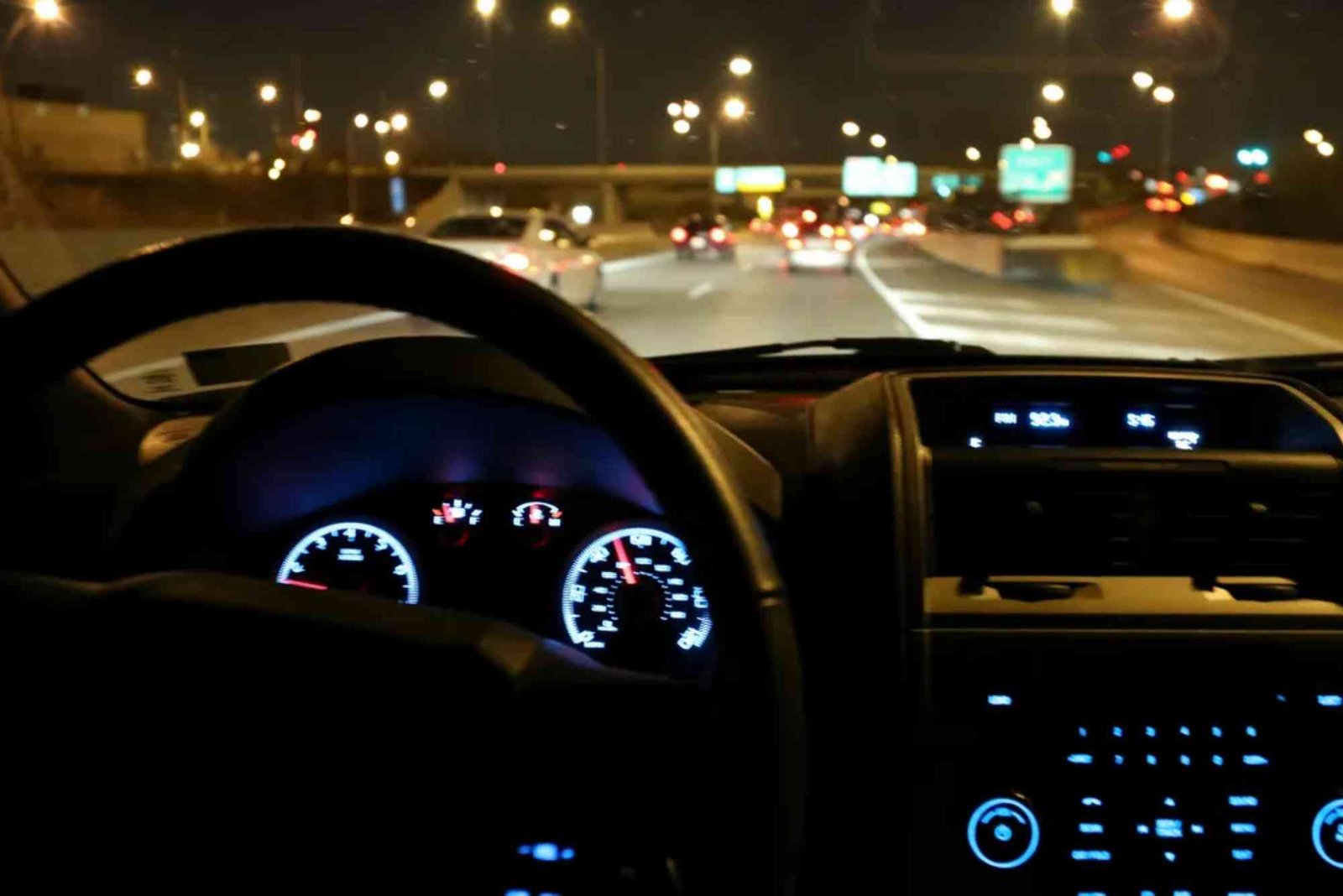
Introduction
Driving at night can be challenging and dangerous if you are not fully prepared. Reduced visibility, fatigue, and unpredictable road conditions increase the risk of accidents after sunset. Understanding the best practices for nighttime driving is crucial to ensure your safety and the safety of others on the road. By implementing practical strategies, you can maintain confidence, focus, and control during night journeys. In this article, we provide comprehensive tips for driving safely at night, highlighting expert advice, proven techniques, and essential precautions.
Understanding the Challenges of Night Driving
Night driving poses unique risks compared to daytime travel. The limited visibility makes it harder to detect obstacles, pedestrians, or animals on the road. Headlights can help, but they also create glare that can temporarily impair your vision. Additionally, nighttime often coincides with increased fatigue, which slows reaction time and reduces alertness. Recognizing these challenges is the first step toward adopting safe driving habits. Awareness of environmental conditions, proper vehicle preparation, and personal readiness are critical factors in preventing accidents at night.
Prepare Your Vehicle for Night Driving
A well-maintained vehicle enhances safety during night driving. Ensuring that all lights function properly is essential. Headlights, taillights, brake lights, and turn signals must be clean and bright. Dirty or dim lights reduce visibility and increase the chance of collisions. Checking the alignment of your headlights prevents glare for oncoming traffic while providing optimal road illumination. Additionally, keeping your windshield and mirrors clean minimizes reflections and enhances your view. Tires and brakes should also be inspected regularly, as good traction and reliable braking are especially important on dark roads where sudden stops may be necessary.
Optimize Your Visibility
Seeing clearly and being seen by others is a fundamental aspect of safe night driving. Adjusting your mirrors to reduce glare from headlights behind you can prevent eye strain. Avoid looking directly at oncoming headlights, as this can temporarily blind you. Using high beams in poorly lit areas improves visibility, but be sure to switch to low beams when approaching other vehicles to prevent dazzling other drivers. Keeping your interior lights dimmed helps your eyes adapt to the darkness outside, enhancing your ability to spot obstacles or road signs. Night vision can also be improved by keeping your eyes healthy, getting enough rest, and avoiding alcohol or medications that may impair sight.
Maintain Focus and Avoid Fatigue
Fatigue is one of the leading causes of accidents during nighttime driving. Driving when tired reduces alertness and slows reaction time. It is essential to rest adequately before long drives and to take breaks every two hours on extended trips. If you feel drowsy, pulling over for a short nap or switching drivers if possible is safer than continuing. Caffeine can provide a temporary boost, but it should not replace rest. Staying engaged by listening to music or talking with passengers can also help maintain focus, but avoid distractions such as texting, using a phone, or adjusting navigation devices while driving.
Adjust Your Driving Style for Night Conditions
Night driving requires different techniques than daytime driving. Reduce speed to allow extra reaction time for unexpected obstacles, such as pedestrians or animals. Maintain a safe following distance, as visibility is reduced and braking distances may be longer on poorly lit roads. Use gentle steering and braking to prevent sudden maneuvers that can lead to skidding. When navigating curves or hills, approach cautiously and anticipate oncoming vehicles. Pay attention to reflective road signs and markings, which can guide your path and indicate potential hazards ahead. Avoid aggressive driving, as night roads can hide risks that are less noticeable in daylight.

Minimize Glare and Distractions
Glare from headlights or streetlights can be disorienting at night. Proper adjustment of your mirrors, using the night mode on digital displays, and wearing anti-glare glasses if needed can reduce strain. Avoid looking directly at bright lights, and focus on the road edges or lane markers to maintain orientation. Inside the car, dim dashboard lights and keep your cabin clutter-free to reduce distractions. Distractions from smartphones, passengers, or eating can be more dangerous at night when attention must remain sharp. Staying focused on driving and limiting multitasking significantly lowers the risk of accidents.
Be Cautious Around Pedestrians and Animals
Nighttime often brings increased activity of pedestrians, cyclists, and nocturnal animals. Pay attention to sidewalks, crosswalks, and areas where wildlife may cross the road. Slowing down in poorly lit zones or residential areas gives you more time to react to sudden movements. Some animals, like deer, tend to travel in groups, so if one crosses the road, others may follow. Using your high beams responsibly helps spot hazards from a distance, while honking cautiously in rural areas can alert animals or pedestrians without startling them dangerously. Awareness and anticipation are key to preventing night collisions.
Plan Your Route and Know the Roads
Familiarity with your route can make night driving safer. Avoid unfamiliar roads with limited lighting if possible. Using navigation systems can help, but do not rely solely on them—maintain awareness of road signs and conditions. Planning stops and refueling points is important, especially on long drives, to prevent fatigue and ensure you remain alert. Weather conditions like fog, rain, or ice can compound night driving risks, so checking forecasts and adjusting your schedule is wise. Knowledge of alternative routes and exits can provide safer options in case of emergencies.
Use Technology Wisely
Modern vehicles offer technology that enhances night driving safety. Features such as adaptive headlights, lane departure warnings, collision avoidance systems, and night vision assist can reduce risk. However, technology should complement, not replace, attentive driving. Ensure you understand your vehicle’s safety systems and use them appropriately. Automatic high beams and backup cameras are particularly useful for visibility in dark areas. Regularly update your vehicle’s software to keep these features functioning optimally. Combining technological assistance with careful driving habits maximizes safety on nighttime roads.
Adopt Defensive Driving Habits
Defensive driving is critical for night safety. Anticipate the actions of other drivers, as impaired or distracted drivers are more common at night. Avoid risky overtaking and maintain a buffer zone around your vehicle. Watch for erratic behavior from other cars and be prepared to react calmly. Using turn signals and brake lights early communicates your intentions clearly to others. Defensive driving requires patience, alertness, and a proactive mindset. Being cautious and anticipating potential hazards keeps you and others safe on the road.
Handle Emergencies with Confidence
Unexpected situations can occur anytime. Keep an emergency kit in your vehicle, including a flashlight, first aid supplies, reflective triangles, and basic tools. Knowing how to handle a breakdown safely is important, such as pulling off the road completely, using hazard lights, and staying inside the vehicle if it is unsafe to exit. In case of poor visibility, fog, or severe weather, reduce speed and proceed cautiously. Staying calm and prepared allows you to manage emergencies effectively and reduces panic, which can otherwise increase accident risk.
Driving at night demands heightened awareness, proper preparation, and disciplined habits. From ensuring your vehicle is in top condition to staying alert and adjusting your driving style, every precaution matters. Implementing these tips for driving safely at night significantly reduces risks and helps you enjoy a secure journey. Whether commuting, traveling long distances, or navigating rural roads, safe night driving protects you and others. Take control of your safety, follow these expert guidelines, and make every night drive a confident and secure experience.
Driving safely is a responsibility that begins with preparation and ends with caution. Always prioritize your safety and the safety of others. Commit to these practices, remain vigilant, and embrace night driving with confidence. Your next journey can be both safe and stress-free if you adopt these proven strategies. Begin tonight by reviewing your vehicle, planning your route, and focusing on defensive driving habits.
For unforgettable mountain adventures, choosing the right vehicle is essential. A strong, reliable car ensures safety, comfort, and performance on rugged terrain. Whether navigating steep inclines or rough trails, the ideal car enhances your journey, letting you focus on the breathtaking scenery instead of vehicle concerns. Discover top picks and features that make a car perfect for mountain trips here: Strong Car for Mountain Trips
(FAQs)
What are the most important tips for driving safely at night?
Key tips include maintaining vehicle lights, reducing speed, avoiding fatigue, and using defensive driving techniques. Visibility and focus are essential.
How can I avoid glare from oncoming headlights?
Adjust your mirrors, avoid looking directly at bright lights, and focus on lane markings. Anti-glare glasses can also help.
Is it safe to use high beams at night?
High beams are useful on poorly lit roads but must be dimmed when approaching other vehicles to prevent dazzling drivers.
How do I stay alert during long night drives?
Take regular breaks, get enough rest before driving, and stay hydrated. Listening to music or having a conversation can help maintain focus.
What should I do if I feel drowsy while driving at night?
Pull over in a safe area for a nap, switch drivers if possible, or take a break at a rest stop. Never drive while fatigued.