
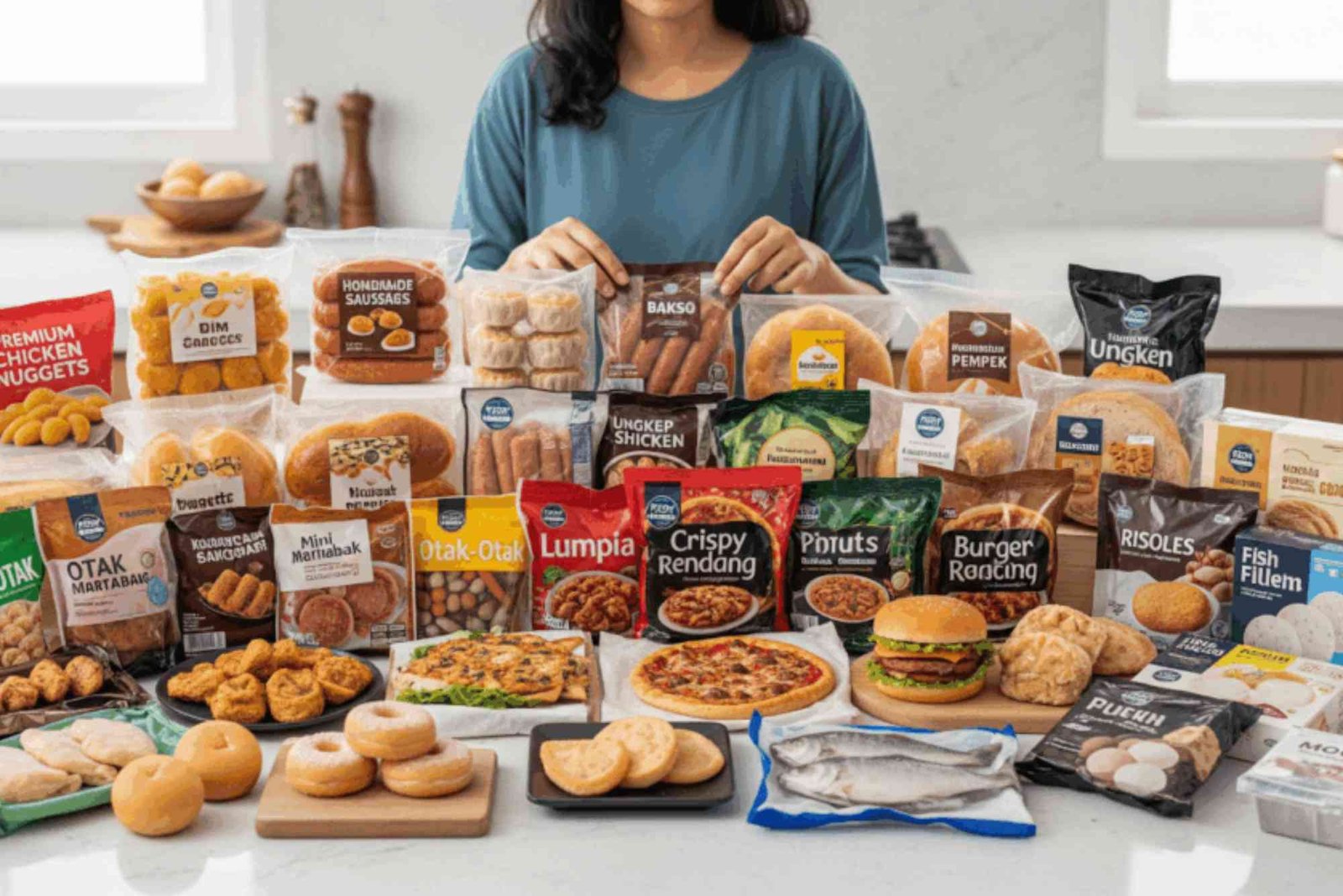
Introduction
In today’s fast-paced lifestyle, frozen food has become an important part of daily meals. Many households depend on it because it is convenient, affordable, and long-lasting. However, not all frozen products are safe to consume. Understanding safe frozen food selection tips is essential to ensure you and your family stay healthy while enjoying practical food options.
When consumers choose frozen food without proper knowledge, they may accidentally buy items that are expired, poorly stored, or contaminated. That is why learning safe frozen food selection tips helps people make smarter and safer decisions when shopping at supermarkets or online stores.
Frozen food safety is not only about taste but also about hygiene, storage conditions, packaging quality, and production standards. In this article, we will explore everything you need to know to confidently choose safe frozen products.
Understanding Frozen Food Safety Standards
Frozen food safety starts at the production stage. Every product must pass strict hygiene inspections before reaching the market. Understanding safe frozen food selection tips helps you recognize trustworthy and properly processed products.
Manufacturers must maintain specific freezing temperatures to prevent bacterial growth. If this process is not controlled properly, food quality can decline even before it reaches consumers.
Frozen food is not automatically safe just because it is frozen. Proper handling throughout the entire supply chain determines its safety and quality.

Key Factors in Choosing Safe Frozen Products
Several important factors must be considered before buying frozen food. These factors directly affect safety, freshness, and nutritional value.
Packaging Condition and Integrity
Packaging plays a major role in maintaining food safety. Damaged or open packaging may indicate contamination or improper storage. As part of safe frozen food selection tips, always check whether the packaging is properly sealed and free from damage.
If the packaging has excessive frost or swelling, it may indicate the product has been thawed and refrozen, reducing both safety and quality.
Expiry Date and Production Information
Always check the expiry date before purchasing frozen food. Even frozen items have a limited shelf life. Clear production and expiration labels are essential indicators of safe products.
Products without proper labeling should be avoided because they do not meet food safety standards.
Storage Temperature Consistency
Frozen food must be stored at a consistently low temperature. If it has been exposed to temperature fluctuations, bacteria may begin to grow.
Always ensure the product is completely frozen and stored in a proper freezer environment.
Comparison of Safe vs Unsafe Frozen Food Indicators
Below is a table that helps distinguish safe frozen food from unsafe products.
| Aspect | Safe Frozen Food | Unsafe Frozen Food |
|---|---|---|
| Packaging | Fully sealed and intact | Damaged, open, or swollen |
| Texture | Firm and completely frozen | Soft or partially thawed |
| Ice Crystals | Minimal or none | Excessive ice inside packaging |
| Labeling | Clear expiry and production info | Missing or unclear details |
| Storage | Proper frozen conditions | Signs of refreezing |
This comparison helps reinforce safe frozen food selection tips in everyday shopping decisions.
Importance of Brand Reputation and Trust
Brand reputation is a key factor in frozen food safety. Trusted brands usually follow strict quality control systems. When applying safe frozen food selection tips, choosing reputable brands reduces the risk of unsafe products.
Reliable companies invest in proper freezing technology, hygiene training, and quality checks to ensure food safety.
Although cheaper unknown brands may be attractive, it is important to evaluate their credibility first.
Role of Ingredients and Nutritional Information
Frozen foods are often processed, so checking ingredients is essential. Some products may contain preservatives, artificial flavors, or high sodium levels. Safe frozen food selection tips recommend carefully reading nutrition labels before purchasing.
Healthier frozen foods usually contain simple ingredients with minimal additives.
Hygiene and Handling During Purchase
Proper handling during shopping is equally important. If frozen food stays at room temperature too long, its safety can be compromised.
When following safe frozen food selection tips, always pick frozen items at the end of your shopping trip to reduce thawing time.
Using insulated bags can also help maintain temperature during transport.
Safe Storage at Home
Once you bring frozen food home, proper storage becomes essential. Freezers must maintain the correct temperature to keep food safe.
Never leave frozen food outside the freezer for long periods. Refreezing thawed food is not recommended.
Safe frozen food selection tips also include maintaining consistent home freezer conditions.
Understanding Food Additives in Frozen Products
Many frozen foods contain additives to preserve freshness. Not all additives are harmful, but moderation is important.
Some additives improve shelf life, while others enhance flavor. Consumers should understand what they are consuming.
Safe frozen food selection tips encourage awareness of ingredients and additives.
Common Mistakes When Choosing Frozen Food
Many consumers make avoidable mistakes when buying frozen products. One common mistake is ignoring packaging condition.
Another is failing to check expiry dates properly. Some also assume all frozen food is automatically safe.
Safe frozen food selection tips help prevent these errors easily.
Importance of Temperature Chain Maintenance
Cold chain management ensures frozen food remains safe from production to consumption. If the chain is broken, food quality can deteriorate.
Retailers and transport systems must maintain consistent freezing temperatures.
Consumers also play a role by reducing thawing time during transport.
Frozen Food Quality and Taste Relationship
High-quality frozen food maintains its taste and texture after cooking. Poor-quality products often lose flavor or become soggy.
Safe frozen food selection tips include choosing products known for retaining texture and nutrition after freezing.
Role of Consumer Awareness in Food Safety
Consumer awareness plays a major role in food safety. Educated consumers make better purchasing decisions.
Understanding safe frozen food selection tips helps demand better product quality from manufacturers.
Awareness encourages transparency and improved safety standards.
Internal Knowledge Integration
Food safety topics are often connected with meal planning, storage practices, and grocery shopping habits. These areas support a better understanding of safe frozen food selection tips and improve overall food handling practices.
Choosing frozen food is not only about convenience but also about safety and quality. By following safe frozen food selection tips, consumers can reduce health risks and ensure better nutrition.
From checking packaging and expiry dates to understanding storage conditions and ingredients, every step is important. Careful selection leads to healthier eating habits and safer food consumption.
Start applying these tips today to make smarter and safer food choices for yourself and your family.
FAQ – Safe Frozen Food Selection Tips
Q: How can I tell if frozen food is still safe to eat?
Frozen food is safe if the packaging is intact, fully frozen, and within its expiry date. Following safe frozen food selection tips helps avoid unsafe products.
Q: What are signs that frozen food is no longer safe?
Signs include damaged packaging, soft texture, and excessive ice crystals, which indicate thawing and refreezing.
Q: Is frozen food less healthy than fresh food?
Not always. Properly frozen food can retain nutrients. Quality depends on handling and processing.
Q: Can refrozen food be eaten safely?
Refrozen food is not recommended as it may lose quality and increase safety risks.
Q: What is the most important factor when buying frozen food?
Packaging integrity and proper storage conditions are the most important factors for safe selection.
Tips for Choosing Gluten-Free Food Products Choosing gluten-free food products requires attention to labels, certifications, and ingredients used to avoid gluten contamination and maintain healthy digestion every day. Read the composition carefully and choose certified gluten-free products to reduce allergy risks and ensure safe consumption. Always check the official label.
Related Reading: Introduction
Related Reading: How to Prepare a Car for Emission Test: Effective Automotive Tips