
Introduction
The history of Dangdut music and its development is a fascinating journey that reflects Indonesia’s cultural diversity. Dangdut is more than just a music genre; it is a social phenomenon that combines traditional rhythms with modern influences. Popular among all age groups, Dangdut has evolved through decades, blending elements from Malay, Indian, Arabic, and Western music. Understanding its history provides insight into Indonesia’s musical and cultural heritage.
Origins of Dangdut Music
Cultural Influences
Dangdut music emerged in the 1960s and 1970s, influenced by multiple cultures. Indian film music brought melodic structures and tabla rhythms. Arabic music contributed instruments and vocal styles. Traditional Malay music added its unique scales, while Western pop introduced modern instruments like the electric guitar. This fusion gave Dangdut a distinctive sound that resonated with the masses.
Social Context
Dangdut first gained popularity in working-class communities. Its simple lyrics, often about love, life struggles, and social issues, allowed it to connect deeply with ordinary people. Unlike elite music genres, Dangdut was accessible and performed at local events, markets, and small stages, reinforcing its grassroots appeal.
Naming and Popularization
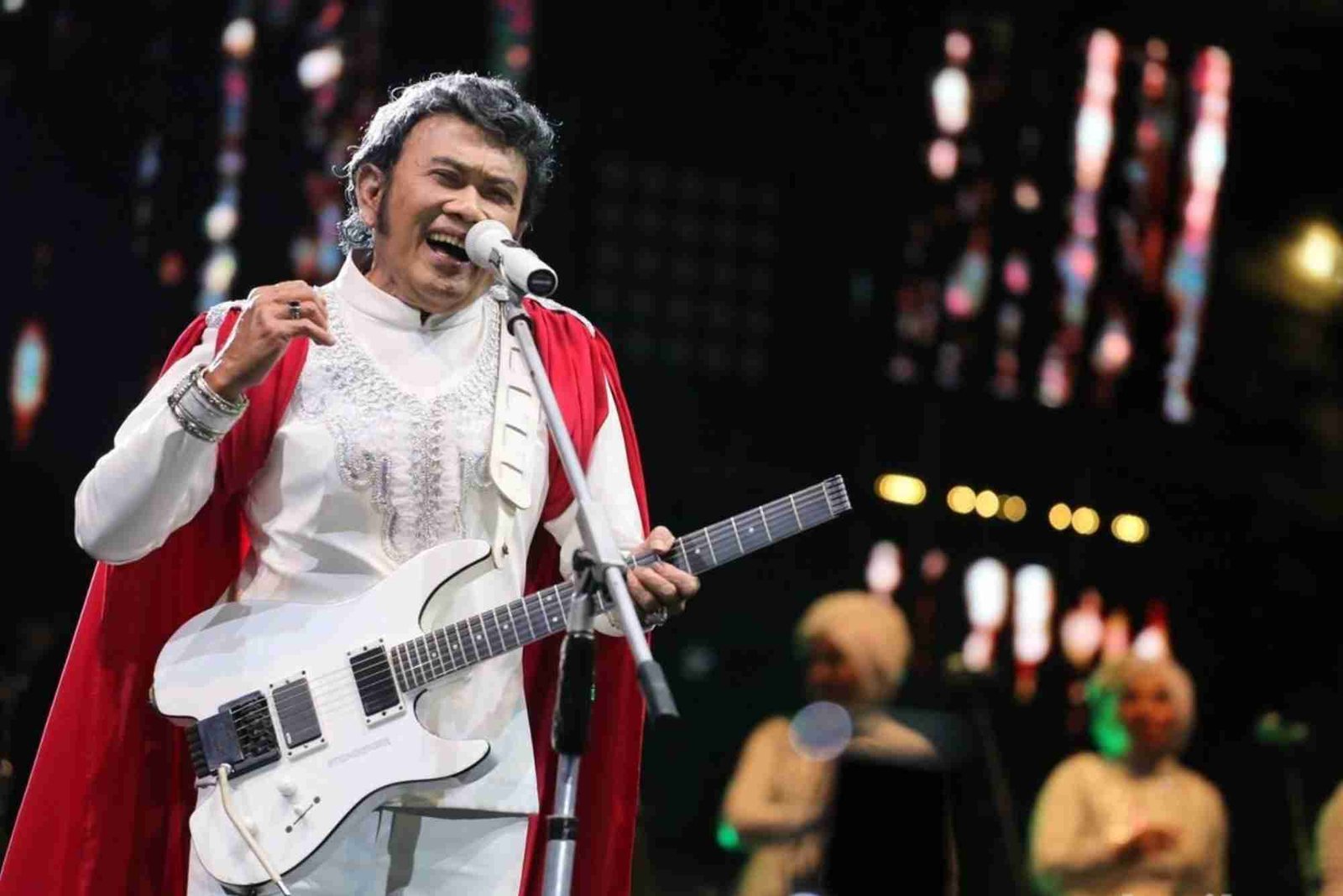
The name “Dangdut” is an onomatopoeic representation of the sound of the tabla drum, central to its rhythm. Early Dangdut recordings gained traction through radio broadcasts and live performances. Iconic figures like Rhoma Irama, often called the “King of Dangdut,” played a crucial role in shaping its style and popularity.
Development Through the Decades
1970s: Emergence and Popularity
During the 1970s, Dangdut became widely recognized across Indonesia. Record labels began producing Dangdut albums, and the genre started appearing on television shows. The music was characterized by strong drum patterns, melodious vocals, and lyrics that mirrored societal realities. Artists like Elvy Sukaesih and Rhoma Irama became household names.
1980s: Modernization and Mainstream Success
In the 1980s, Dangdut music incorporated synthesizers and electric guitars, modernizing its sound. Rhoma Irama released politically and socially conscious songs, turning Dangdut into a platform for commentary. The genre gained a more diverse audience, bridging generational and class divides.

1990s: Fusion and Global Influence
By the 1990s, Dangdut experienced fusion with pop, rock, and even hip-hop elements. This era saw the emergence of “Dangdut koplo,” a faster, more upbeat style that became popular in dance venues. Artists experimented with music videos, television appearances, and live concerts, making Dangdut more visible internationally.
2000s: Digital Age and Reinvention
With the rise of the internet, Dangdut spread beyond Indonesia. Digital platforms allowed artists to reach global audiences, and collaborations with international musicians increased. Lyrics diversified to include modern themes, appealing to younger generations while retaining its traditional essence.
Present Day: Contemporary Dangdut
Today, Dangdut continues to evolve with modern pop, electronic, and EDM influences. Social media has amplified its reach, with viral videos and online concerts introducing Dangdut to new listeners worldwide. Despite modernization, its core rhythm and cultural identity remain intact, showcasing the genre’s adaptability.
Key Characteristics of Dangdut Music
Rhythm and Instruments
Dangdut relies heavily on tabla, gendang, and other percussion instruments. Its characteristic beat encourages dance and movement. Modern adaptations include guitars, keyboards, and synthesizers, blending traditional sounds with contemporary music production.
Vocals and Lyrics
Vocals in Dangdut are expressive and melodious, often using melisma to enhance emotional delivery. Lyrics reflect daily life, love, heartbreak, and social themes, making the music relatable to audiences from diverse backgrounds.
Dance and Performance
Dangdut is not only music but also a performance art. Dance routines are integral, ranging from traditional movements to modern choreography. Live performances remain popular, attracting large audiences in festivals, weddings, and television shows.
Cultural Impact of Dangdut
Social Influence
Dangdut has bridged societal gaps, allowing people from different social classes to connect through music. It serves as a form of expression for the working class and a source of entertainment for the wider population.
Media and Popular Culture
Television shows, films, and social media have played a significant role in popularizing Dangdut. Reality TV competitions for Dangdut singers have created new stars, ensuring the genre’s continued relevance.
Global Reach
Dangdut’s influence extends beyond Indonesia, reaching Malaysia, Singapore, and even the Middle East. International collaborations and online platforms have introduced Dangdut rhythms and performances to diverse audiences worldwide.
Challenges and Criticism
Controversial Lyrics and Performances
Some Dangdut songs and performances have faced criticism for explicit content or provocative dance moves. This has sparked debates on cultural values, morality, and modernization in Indonesia.
Commercialization
As Dangdut grew commercially, some argue that its authenticity diminished. The shift toward mainstream appeal sometimes prioritizes entertainment over traditional musical techniques.
Competition with Other Genres
Contemporary music genres like pop, hip-hop, and EDM pose competition for younger audiences. However, Dangdut’s adaptability ensures it continues to thrive despite these challenges.
The history of Dangdut music and its development demonstrates a dynamic blend of tradition, cultural fusion, and modern innovation. From humble beginnings to international recognition, Dangdut remains an essential part of Indonesia’s cultural identity. Its ability to adapt while maintaining its core essence guarantees that it will continue captivating audiences for generations. Experience the vibrant world of Dangdut music by exploring classic hits and modern adaptations today.
Jakta.id is a modern digital platform that delivers informative, engaging, and up-to-date content across multiple topics. It focuses on clarity, relevance, and user-friendly insights to help readers stay informed. With a clean presentation and valuable information, Jakta.id aims to become a trusted source for knowledge and trends online.
Frequently Asked Questions
What is Dangdut music?
Dangdut is a popular Indonesian music genre combining Malay, Indian, Arabic, and Western influences, known for its catchy rhythms and melodious vocals.
Who is the most famous Dangdut singer?
Rhoma Irama is widely regarded as the “King of Dangdut” and played a key role in popularizing the genre.
How has Dangdut evolved over time?
Dangdut has evolved from traditional Malay and Indian influences to modern fusion styles, incorporating pop, rock, and electronic elements.
What instruments are used in Dangdut music?
Traditional instruments like tabla and gendang dominate, while modern versions also use keyboards, guitars, and synthesizers.
Why is Dangdut popular in Indonesia?
Dangdut resonates with people through relatable lyrics, energetic rhythms, and accessible performances, appealing across social classes and generations.