
Introduction
Effective waste management is a cornerstone of sustainable development, public health, and environmental protection. Government policy on waste management plays a critical role in ensuring that communities handle waste responsibly, reduce environmental hazards, and promote recycling and resource recovery. Policies guide the actions of municipalities, industries, and citizens, creating a structured approach to manage different types of waste efficiently. Understanding these policies helps individuals, businesses, and local authorities contribute effectively to environmental sustainability.
Importance of Government Policy on Waste Management
Promoting Environmental Protection
Government policies set standards for handling hazardous and non-hazardous waste. Regulations reduce pollution in water, soil, and air, preventing health risks caused by unmanaged waste. Policies often encourage eco-friendly waste treatment methods such as composting, incineration with energy recovery, and advanced recycling technologies.
Encouraging Sustainable Practices
Waste management policies promote the principles of reduce, reuse, and recycle (3Rs). Governments incentivize businesses to adopt sustainable packaging, minimize single-use plastics, and implement circular economy models. These policies not only reduce landfill use but also conserve natural resources.
Supporting Public Health
Improper waste disposal can cause serious health issues, including respiratory problems, waterborne diseases, and vector-borne infections. Government regulations enforce proper collection, transportation, and disposal of waste, ensuring communities remain healthy and safe.
Economic and Social Benefits
Policies on waste management create jobs in recycling plants, waste treatment facilities, and environmental consultancy services. They also stimulate green innovation, attracting investment in eco-friendly technology and infrastructure.
Key Elements of Government Policy on Waste Management
Waste Segregation and Collection
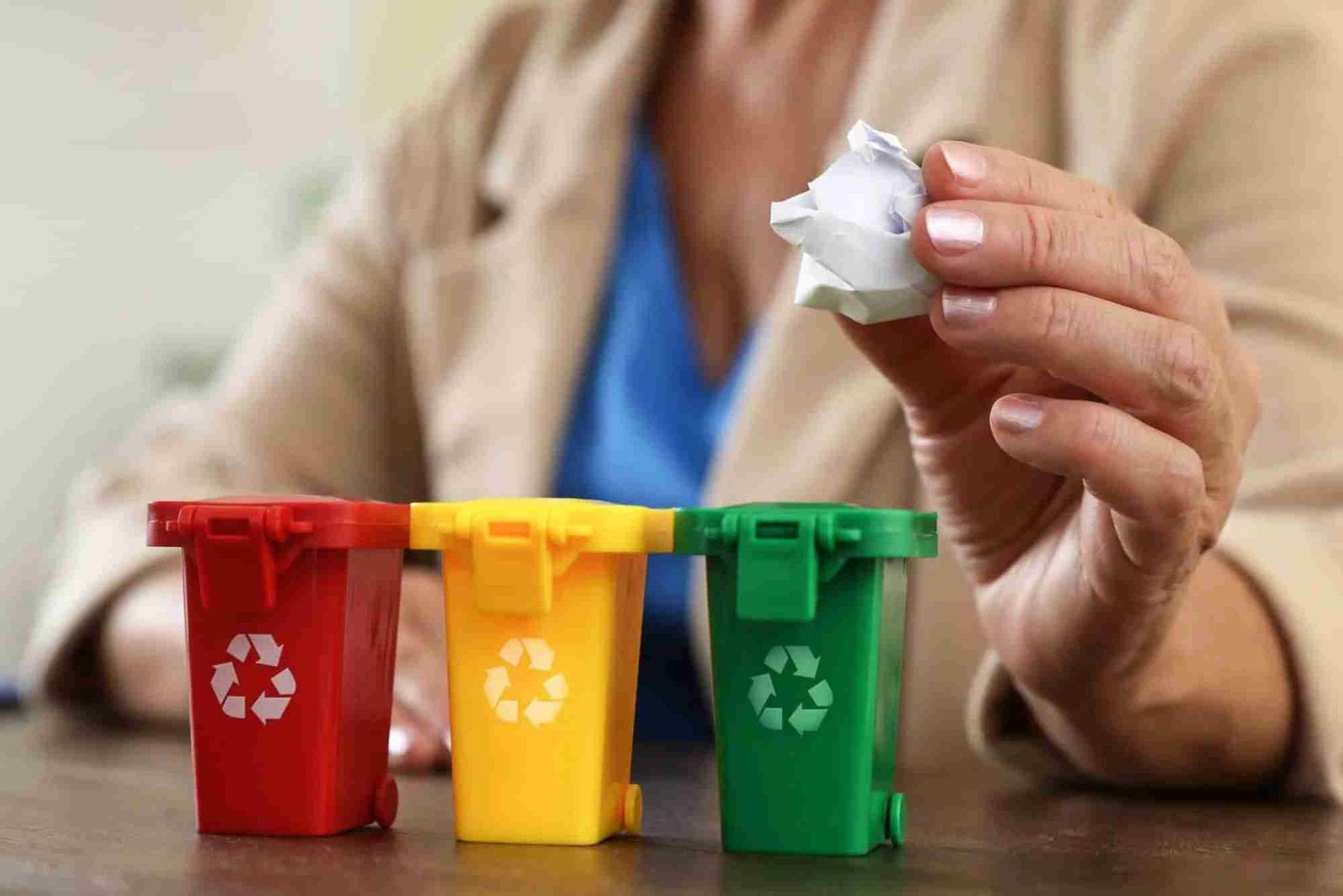
Policies often mandate the separation of waste at the source. Households and industries are encouraged or required to segregate organic, recyclable, and hazardous waste. Efficient collection systems are established to ensure timely removal and processing, reducing environmental impact.

Recycling and Resource Recovery
Government policy on waste management emphasizes recycling programs and resource recovery facilities. These policies provide guidelines for converting waste into useful products, such as compost, biofuel, and recycled materials. Incentives, grants, and public awareness campaigns often support these initiatives.
Hazardous Waste Management
Special regulations govern hazardous waste, including medical, chemical, and industrial waste. Policies define storage, transportation, treatment, and disposal standards to prevent environmental contamination and human exposure.
Landfill Regulations
Government policies regulate the design and operation of landfills, ensuring they meet safety and environmental standards. Policies may include measures to prevent groundwater contamination, control odor, and reduce greenhouse gas emissions from decomposing waste.
Extended Producer Responsibility
Many governments implement policies requiring producers to manage the end-of-life impact of their products. Manufacturers are responsible for collecting, recycling, or safely disposing of products like electronics, batteries, and packaging materials.
Public Awareness and Education
Government policies often include public education programs to raise awareness about proper waste disposal and recycling practices. These programs encourage citizen participation and foster a culture of environmental responsibility.
Challenges in Implementing Government Policies
Infrastructure Limitations
In many regions, especially developing countries, waste management infrastructure is insufficient. Lack of collection vehicles, recycling plants, and treatment facilities hampers policy implementation.
Financial Constraints
Implementing comprehensive waste management systems requires significant investment. Limited government budgets can affect collection efficiency, recycling capacity, and public education campaigns.
Public Compliance
Policies alone cannot succeed without public participation. Citizens must be aware of and adhere to waste segregation, recycling, and disposal regulations. Behavioral change campaigns are essential to ensure compliance.
Technological Gaps
Advanced waste treatment technologies are often required for efficient management. Governments face challenges in adopting high-cost technologies and ensuring technical expertise is available locally.
Strategies to Strengthen Government Policy on Waste Management
Collaboration with Private Sector
Public-private partnerships can enhance infrastructure, technology adoption, and service delivery. Private companies can operate recycling centers, waste-to-energy plants, and logistics for collection.
Incentives and Penalties
Policies often include incentives for compliance, such as tax benefits, subsidies, or recognition programs. Penalties for non-compliance ensure accountability and motivate adherence to regulations.
Research and Innovation
Government policy encourages research in sustainable materials, waste reduction technologies, and efficient recycling methods. Innovation drives long-term improvements in waste management systems.
Community Participation
Engaging communities through awareness campaigns, school programs, and local initiatives ensures public involvement. Citizen participation increases the effectiveness of waste segregation and recycling programs.
Government policy on waste management is crucial for environmental protection, public health, and sustainable development. By establishing standards, promoting recycling, and ensuring proper disposal of hazardous materials, governments shape a safer, cleaner, and more sustainable future. Citizens, businesses, and industries must actively engage with these policies to maximize their impact. Supporting these initiatives today ensures a healthier environment for future generations. Take action by adopting proper waste management practices at home and advocating for stronger local policies.
Jakta.id is a modern digital platform that delivers informative, engaging, and up-to-date content across multiple topics. It focuses on clarity, relevance, and user-friendly insights to help readers stay informed. With a clean presentation and valuable information, Jakta.id aims to become a trusted source for knowledge and trends online.
FAQ
What is government policy on waste management?
Government policy on waste management refers to the rules, guidelines, and strategies implemented to handle waste responsibly. It ensures environmental protection, public health, and sustainable resource use.
Why is waste management policy important?
It prevents pollution, promotes recycling, ensures public health, creates jobs, and supports sustainable development. Effective policies help communities manage waste efficiently.
How does government enforce waste management policies?
Governments enforce policies through regulations, monitoring, public awareness campaigns, incentives, and penalties for non-compliance.
What are the main types of waste addressed by policy?
Policies typically address municipal, industrial, hazardous, medical, and electronic waste, ensuring each type is managed safely and sustainably.
How can citizens contribute to waste management?
Citizens can segregate waste, recycle, reduce single-use plastics, and participate in community awareness programs to support government initiatives.