
Starting a car should be a simple task, but sometimes your engine refuses to cooperate. A car engine being hard to start can be frustrating, especially when you’re in a hurry. Understanding the underlying causes can help you address the problem before it worsens and lead to costly repairs.
Battery Problems
One of the most common reasons a car engine is hard to start is a weak or failing battery. The battery provides the electrical power needed to crank the engine, and if it’s low, the starter may not function properly. Factors such as old age, leaving lights on, or extreme temperatures can drain the battery.
A failing battery may produce slow cranking sounds or a clicking noise when you turn the key. Checking the battery voltage with a multimeter can reveal if it is below the recommended level. Sometimes, cleaning the battery terminals to remove corrosion can improve the connection and resolve starting issues. In severe cases, replacing the battery is necessary.
Faulty Starter Motor
The starter motor plays a crucial role in starting your car. It converts electrical energy from the battery into mechanical energy to crank the engine. If the starter motor is malfunctioning, the engine may struggle or fail to start.
Signs of a faulty starter include intermittent starting issues, unusual grinding noises, or the engine not responding when turning the key. Regular maintenance and timely replacement can prevent complete starter failure. Ignoring starter issues may leave you stranded unexpectedly, so it is essential to address them promptly.
Ignition System Issues
The ignition system ensures the spark plugs ignite the fuel-air mixture in the engine cylinders. Problems within the ignition system can make starting difficult. Faulty spark plugs, damaged ignition coils, or worn ignition wires can lead to weak sparks or misfires.

When spark plugs are old or covered in carbon deposits, they may not fire efficiently. Replacing spark plugs at recommended intervals improves engine starting and overall performance. Similarly, damaged ignition coils or wiring can interrupt the spark and prevent the engine from firing correctly. Regular inspection and maintenance of the ignition system can prevent these issues.
Fuel System Problems
A car requires a consistent fuel supply to start efficiently. If the fuel system is compromised, the engine may struggle to ignite. Common causes include a clogged fuel filter, failing fuel pump, or dirty fuel injectors.
A clogged fuel filter restricts the flow of fuel to the engine, causing hard starting or stalling. Replacing the fuel filter can restore proper fuel flow. Similarly, a weak fuel pump may not deliver enough fuel pressure, leading to slow cranking or engine hesitation. Fuel injectors, when dirty or clogged, can disrupt fuel spray patterns, resulting in incomplete combustion. Regular fuel system maintenance ensures smooth engine operation.
Air Intake and Vacuum Leaks
Engines require a precise air-to-fuel ratio for proper combustion. Any disruption in the air intake system can make starting difficult. Vacuum leaks or damaged air intake components allow extra air into the system, causing the engine to run lean.
Symptoms of air intake issues include rough idling, unusual engine noises, and difficulty starting. Inspecting hoses, gaskets, and intake components for cracks or leaks is essential. Replacing faulty parts can restore proper airflow and improve engine starting reliability.
Cold Weather Effects
Low temperatures can significantly impact engine starting, especially in regions with harsh winters. Cold weather thickens engine oil, making it harder for the starter to crank the engine. Batteries also lose efficiency in cold conditions, reducing cranking power.
Using the correct engine oil viscosity recommended for winter conditions helps engines start more easily. Additionally, keeping the battery fully charged and using battery warmers or engine block heaters can prevent cold-related starting problems. Awareness of these factors ensures smoother starts during winter.
Problems with the Engine Timing
Proper engine timing is critical for starting. If the timing belt or chain is worn, loose, or misaligned, the engine may have difficulty starting or fail to start completely. Timing issues disrupt the synchronization between the crankshaft and camshaft, affecting combustion.
Symptoms of timing problems include unusual engine noises, poor acceleration, and backfiring. Regular inspection and replacement of timing components as per manufacturer recommendations can prevent serious engine damage and starting issues. Ignoring timing maintenance may lead to costly repairs.
Faulty Sensors
Modern vehicles rely on sensors to manage engine operation efficiently. Sensors like the crankshaft position sensor, camshaft position sensor, or mass airflow sensor provide critical data to the engine control unit (ECU). If these sensors fail, the ECU may not supply the correct fuel or spark timing, making the engine hard to start.
Symptoms of faulty sensors include check engine lights, engine stalling, or inconsistent cranking. Diagnosing sensor issues requires specialized tools and professional knowledge. Timely sensor replacement ensures reliable engine starting and optimal performance.
Contaminated or Old Fuel
Fuel quality directly affects engine ignition. Old fuel can degrade and lose its volatility, making it harder to ignite. Contaminated fuel with water or debris can also prevent proper combustion, causing the engine to struggle.
Draining old fuel and refilling with fresh, clean fuel can resolve starting problems. Using fuel stabilizers during long storage periods helps maintain fuel quality. Regularly filling up with high-quality fuel prevents contamination and ensures consistent engine performance.
Excessive Engine Wear
Engines experience wear over time, especially in older vehicles. Worn piston rings, valves, or cylinder walls reduce compression, which is crucial for starting. Low compression makes it harder for the engine to ignite the fuel-air mixture, leading to hard starts.
Compression testing can help identify wear-related issues. While minor wear may be managed with proper maintenance, severe wear may require engine rebuilding or replacement. Understanding engine condition helps prevent unexpected starting failures.
Electrical System Malfunctions
Apart from the battery and starter, other electrical components can impact starting. Loose connections, corroded terminals, or damaged wiring can reduce power delivery to essential systems.
Symptoms include flickering dashboard lights, inconsistent starting, or intermittent electrical failures. Regular inspection of the electrical system, cleaning terminals, and ensuring secure connections improve engine reliability. Ignoring electrical maintenance may result in sudden starting failures.
Fuel Pump Relay and Fuse Issues
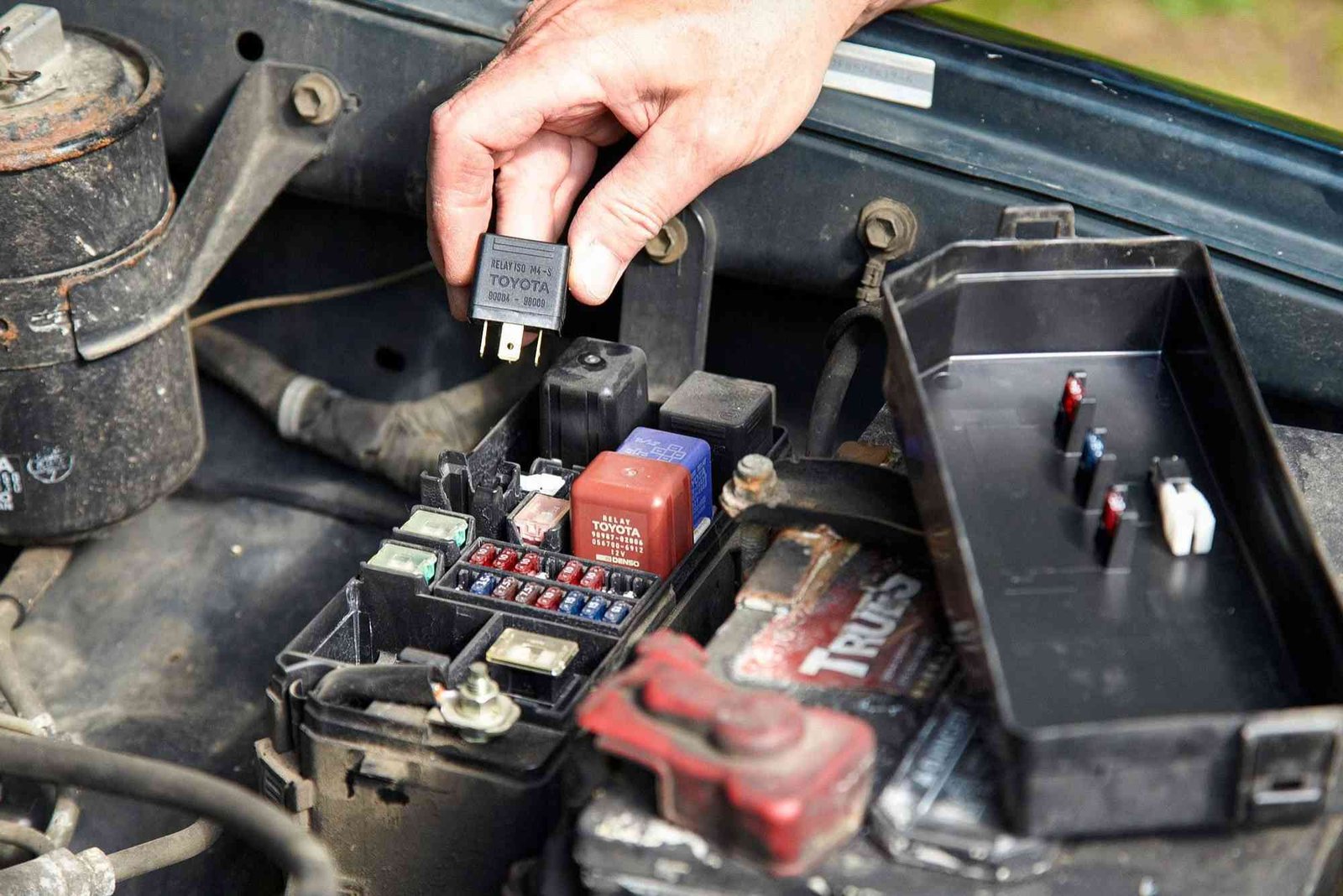
Fuel pump relays and fuses protect the fuel system from electrical faults. A blown fuse or faulty relay can prevent the fuel pump from operating, making the engine impossible to start.
Checking the fuel pump fuse and relay is a simple diagnostic step when facing hard starts. Replacing damaged components restores fuel pump operation, ensuring consistent starting performance. Keeping spare fuses in the car can be a lifesaver during emergencies.
Clogged or Dirty Air Filters
Air filters prevent debris from entering the engine but can become clogged over time. A dirty air filter reduces airflow, affecting the air-to-fuel ratio and making the engine hard to start.
Regularly inspecting and replacing air filters ensures optimal airflow and combustion efficiency. A clean air filter not only improves starting but also enhances fuel economy and engine longevity.
A car engine being hard to start can result from various mechanical, electrical, or environmental factors. From battery issues and faulty starters to fuel system problems and sensor malfunctions, addressing these causes promptly ensures reliable performance and prevents costly repairs. Regular maintenance, timely inspections, and using high-quality components are key to keeping your engine starting smoothly. Don’t ignore warning signs, as small problems today can become major headaches tomorrow.
If you are experiencing frequent starting difficulties, it is advisable to consult a professional mechanic. Early diagnosis and repair save time, money, and stress, ensuring your vehicle runs efficiently. If your car struggles to start, schedule a professional inspection today to avoid further damage and enjoy smooth, reliable driving every day.
Understanding Steering Wheel Vibration Steering wheel vibration in a car can indicate wheel imbalance, worn suspension parts, or brake issues. Identifying the cause early helps prevent further damage and ensures safer driving. Learn more about common causes of steering wheel vibration by reading this guide:
FAQs
Why is my car engine hard to start in the morning?
Morning starting issues are often caused by a weak battery, thick engine oil, or cold weather. Ensuring battery health and using the right oil viscosity can help.
Can old spark plugs make my car hard to start?
Yes, worn or fouled spark plugs can fail to ignite the fuel-air mixture efficiently, causing hard starts. Regular replacement is recommended.
Does a dirty fuel filter affect engine starting?
Absolutely. A clogged fuel filter restricts fuel flow, leading to slow cranking and difficulty starting the engine.
Can a failing starter motor prevent the car from starting?
Yes, a malfunctioning starter may not crank the engine properly, resulting in intermittent starting problems or complete failure.
How does a vacuum leak make starting difficult?
Vacuum leaks disrupt the air-fuel ratio, causing the engine to run lean and struggle to start. Inspecting and fixing leaks restores normal operation.
Is it normal for older cars to be harder to start?
Older cars often face battery, starter, or engine wear issues that can make starting harder. Regular maintenance helps mitigate these problems.