
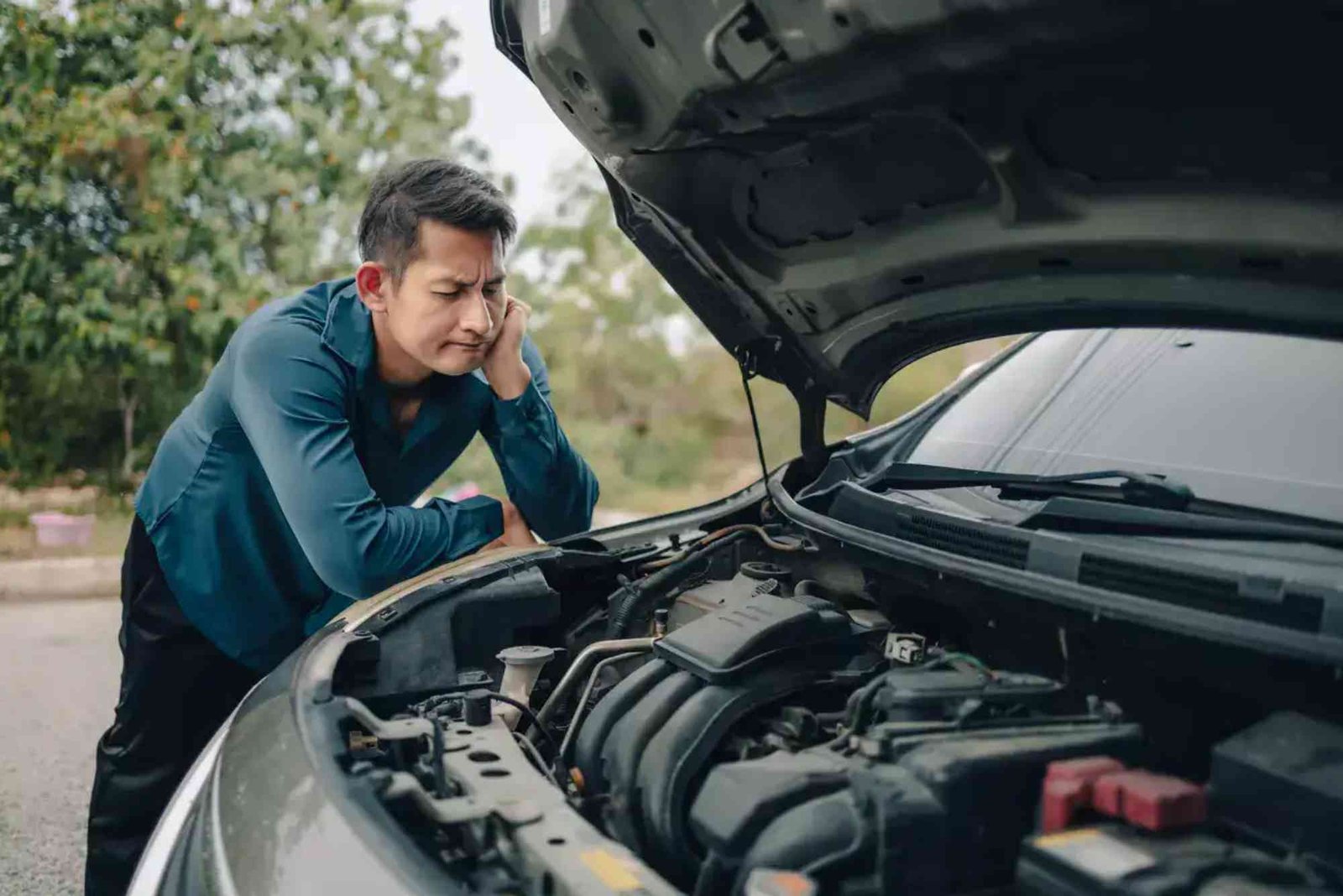
A noisy car engine is more than just an annoyance; it can be a warning sign of underlying mechanical issues. Engine sounds can vary from ticking and knocking to squealing or grinding. Identifying the exact cause is crucial to prevent further damage and expensive repairs. Understanding the reasons behind unusual noises allows car owners to act quickly and maintain engine performance.
Understanding Engine Noise
Every car engine produces some level of sound while operating. Normal engine sounds are typically smooth and consistent. However, abnormal noises often indicate issues that require attention. Engine noise can originate from various components, including the pistons, valves, belts, and exhaust system. Recognizing the type of sound is the first step toward diagnosing the problem. High-pitched squeals, metallic knocking, or rattling noises each point to different underlying issues, making careful observation essential.
Causes of Knocking or Pinging Sounds
Engine knocking, also known as pinging, is a metallic tapping sound that usually comes from the combustion chamber. One common cause is using low-octane fuel that ignites too early, creating pre-ignition. Another frequent reason is carbon buildup inside the cylinders, which alters the combustion process. Worn engine components like pistons or connecting rods can also produce knocking sounds. Ignoring this noise may lead to severe engine damage, including cracked pistons or damaged bearings. Regular maintenance and using the correct fuel grade can help prevent knocking.
Ticking Sounds from Valves or Lifters
A ticking sound is often associated with the valve train or lifters. Hydraulic lifters may become worn or clogged, causing a repetitive tick when the engine runs. Low oil levels or degraded oil can worsen the issue, as lubrication is essential for smooth valve operation. Another possibility is a loose or damaged rocker arm, which can amplify the ticking sound. While minor ticking may not be immediately dangerous, prolonged neglect can lead to more significant damage, including valve misalignment or failure.
Squealing Sounds from Belts
Squealing noises are commonly caused by the serpentine belt or accessory belts. Belts can become worn, loose, or misaligned, creating high-pitched squeals, especially during startup or acceleration. Another factor may be a failing belt tensioner, which prevents proper tensioning of the belt. If left unchecked, belt issues can lead to alternator, power steering, or air conditioning failure. Regular belt inspection and timely replacement can eliminate squealing sounds and maintain engine reliability.
Grinding or Rattling from Engine Components
Grinding or rattling noises often indicate severe mechanical problems. Worn bearings, loose timing chains, or damaged gears can produce these disturbing sounds. Transmission issues may also create grinding noises, particularly when shifting gears. Rattling under the hood may suggest loose components such as heat shields, exhaust brackets, or engine mounts. Identifying the exact source of grinding is crucial, as continued operation can cause catastrophic engine failure. Routine inspections and early repairs are key to avoiding costly damage.

Hissing or Whistling Sounds
Hissing or whistling noises usually originate from vacuum leaks, exhaust leaks, or a damaged radiator. A vacuum leak can affect engine performance and fuel efficiency while producing a noticeable whistling sound. Exhaust leaks often occur at the manifold or pipes, leading to hissing noises and reduced engine efficiency. Overheating issues caused by radiator leaks can also produce similar sounds. Addressing leaks promptly ensures safety and prevents long-term damage to the engine.
Role of Engine Oil and Fluids
Proper engine lubrication is critical for reducing noise. Low oil levels or using the wrong type of oil can amplify ticking, knocking, and rattling sounds. Engine oil lubricates moving parts and absorbs some vibrations, minimizing noise. Coolant and transmission fluids also play a role in engine smoothness. Regularly checking fluid levels, replacing old oil, and using manufacturer-recommended oil grades can significantly reduce unusual engine sounds and extend engine life.
Impact of Worn or Damaged Components
Over time, engine components naturally wear down, contributing to noisy operation. Pistons, bearings, camshafts, and valves can all develop wear patterns that create unusual sounds. Timing chains or belts may stretch, causing rattling, while worn pulleys produce squealing. Even minor wear can escalate if ignored, leading to more severe problems. Regular preventive maintenance and component inspections help detect wear before it causes significant engine noise.
Environmental and External Factors
Sometimes, external factors contribute to engine noise. Cold starts, for example, may produce ticking sounds as oil circulates through the engine. Debris, such as stones or dirt in the engine bay, can cause rattling. Poor fuel quality or contamination may also affect combustion, leading to knocking or pinging sounds. Being aware of these external influences can help distinguish between normal operational noises and genuine mechanical issues requiring attention.
Preventive Measures to Reduce Engine Noise
Preventing engine noise involves consistent maintenance and mindful driving habits. Using high-quality fuel and oil, following the manufacturer’s maintenance schedule, and inspecting belts and hoses regularly can prevent most common noises. Additionally, avoiding aggressive driving, overheating, or prolonged idling helps maintain engine health. Timely replacement of worn components and addressing minor issues early can save significant repair costs and ensure a quieter, more reliable engine.
When to Seek Professional Help
While some noises may be minor, persistent or unusual sounds require professional inspection. Mechanics can perform diagnostic tests to identify issues accurately. Modern vehicles often include onboard diagnostics that help detect engine problems. Ignoring persistent noises can result in major failures, including engine seizure, damaged pistons, or transmission breakdown. Seeking professional help promptly ensures both safety and long-term reliability.
Noisy sounds in a car engine should never be overlooked. From ticking and knocking to squealing or hissing, each sound points to a potential issue that may affect engine performance. Identifying the cause early, maintaining proper fluid levels, and performing regular inspections are essential steps to ensure a smooth and quiet engine. Taking action promptly not only reduces repair costs but also enhances driving comfort and safety. Monitor your engine sounds carefully, and when in doubt, consult a certified mechanic to avoid serious damage. If you hear unusual noises in your car engine, schedule a professional inspection today to protect your vehicle and maintain its longevity.
If your car engine is hard to start, understanding the causes is crucial for timely repairs. Common issues include a weak battery, faulty spark plugs, clogged fuel filters, or problems with the starter motor. Identifying the root cause early can save time, money, and prevent further damage to your vehicle. Learn more here: Causes of a Car Engine Being Hard to Start
FAQs
Why is my car engine making a knocking sound?
Knocking often occurs due to low-octane fuel, carbon buildup, or worn pistons. Immediate attention can prevent engine damage.
What does a ticking noise from the engine indicate?
Ticking usually comes from valves or hydraulic lifters, often caused by low oil levels or worn components.
Why does my engine squeal when starting?
Squealing is often due to loose or worn belts or a faulty belt tensioner. Regular belt maintenance helps.
Can engine noise be caused by low oil?
Yes, insufficient or degraded oil increases friction, causing ticking, knocking, or rattling sounds.
Is it safe to drive with a noisy engine?
Driving with persistent engine noise is risky. It may worsen the problem or cause catastrophic damage. Immediate inspection is recommended.
How can I prevent noisy engine sounds?
Regular maintenance, proper oil and fuel use, timely replacement of worn parts, and careful driving habits prevent unusual noises.