
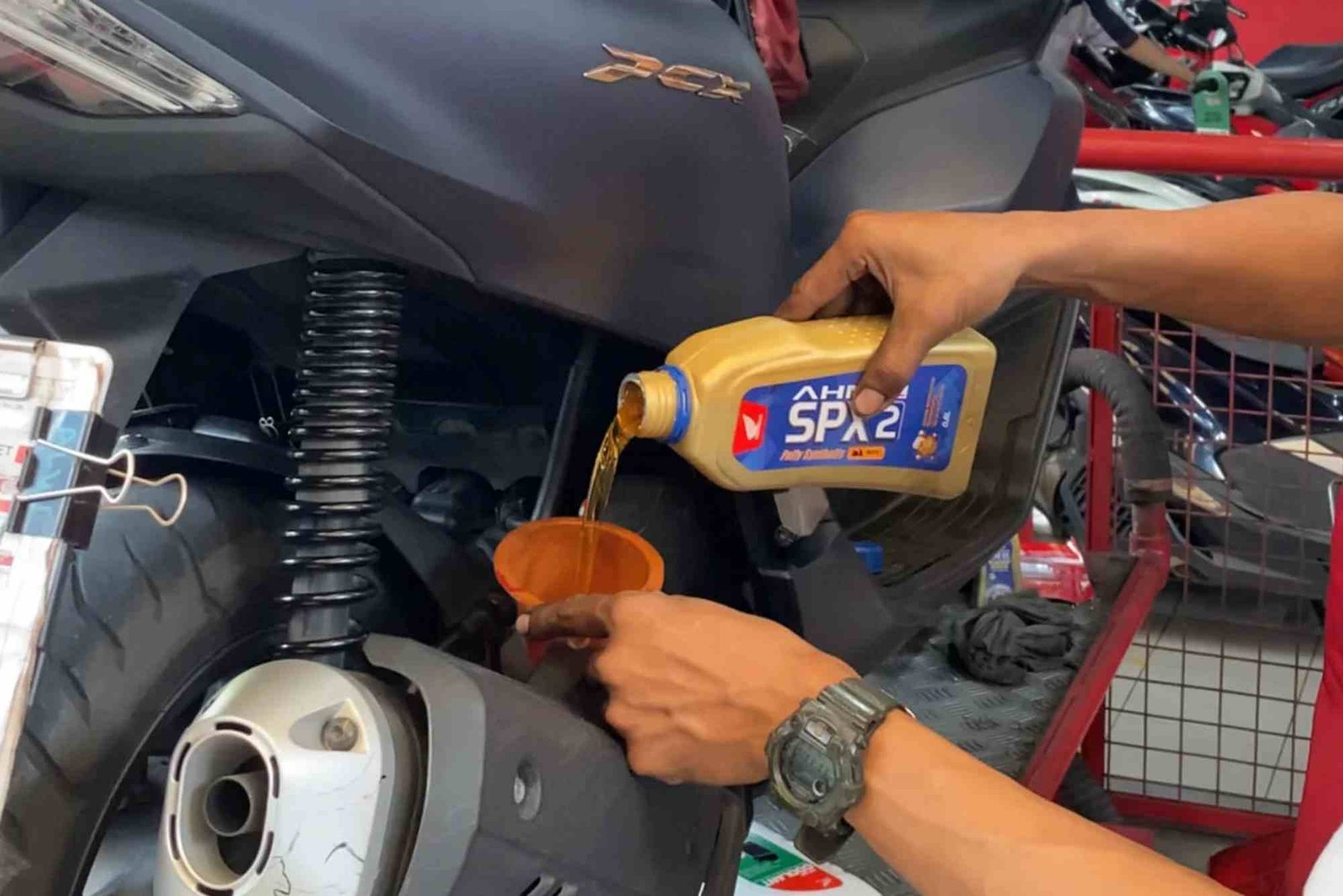
Introduction
Late Oil Change Effects are often considered a minor issue by many vehicle owners. In reality, engine oil plays a vital role in maintaining engine performance and longevity. Without proper lubrication, engine components will rub against each other and wear out faster.
Many drivers delay oil changes because the car still feels normal to drive. However, this habit can be the beginning of serious engine damage. Late Oil Change Effects not only reduce performance but can also cause permanent damage that is expensive to repair.
In this article, we will explore why Late Oil Change Effects are so dangerous, how to recognize the signs, and how to prevent them so your engine stays healthy and efficient.
The Importance of Engine Oil in Vehicle Performance
Engine oil acts as the primary lubricant that reduces friction between metal components. It also helps cool the engine and remove dirt and combustion residue.
When oil is not changed regularly, its quality deteriorates. As a result, its lubrication ability decreases significantly. This is the starting point of various Late Oil Change Effects that drivers often ignore.
According to automotive sources such as and , used oil loses viscosity over time and becomes less effective in protecting engine components.

What Happens When You Delay an Oil Change
When oil changes are delayed too long, several problems gradually begin to appear. Late Oil Change Effects are not always immediate, but the long-term damage is significant.
Reduced Lubrication Quality
Old oil loses its thickness and stability. This increases friction between engine parts, making the engine work harder and run hotter.
Sludge Build-Up
One of the most dangerous Late Oil Change Effects is sludge formation. This thick, tar-like substance blocks oil passages and disrupts proper lubrication flow.
Engine Overheating
When oil can no longer perform effectively, engine temperature rises. This can lead to overheating and severe damage to pistons and cylinders.
Effects of Late Oil Change on Engine Health
Late Oil Change Effects can impact almost every part of the engine. The damage is not limited but spreads across the entire system.
Internal Component Wear
Parts such as pistons, crankshafts, and camshafts wear out faster due to increased friction without proper lubrication.
Reduced Engine Performance
The vehicle becomes sluggish and less responsive. Acceleration decreases, and fuel consumption increases significantly.
Risk of Total Engine Failure
In severe cases, Late Oil Change Effects may lead to complete engine failure. Repairing this condition is extremely expensive and may even require engine replacement.
Signs That Your Engine Oil Needs Changing
There are several warning signs that indicate your oil is no longer in good condition. Recognizing these early can help prevent serious Late Oil Change Effects.
One common sign is dark, thick oil. Another is unusual engine noise that sounds rough or louder than usual. You may also notice vibrations during driving.
Additionally, the oil warning light on the dashboard may turn on. When this happens, immediate inspection is necessary to avoid worsening damage.
Long-Term Costs of Delaying Oil Changes
Many people think delaying oil changes saves money. In reality, the opposite is true. Late Oil Change Effects can lead to expensive repairs.
Minor damage may require additional servicing. However, if the engine is severely damaged, overhaul costs can reach millions in local currency or even require full engine replacement.
According to , routine maintenance is far more cost-effective than repairing damage caused by neglect.
How to Prevent Late Oil Change Effects
Prevention is always better than repair. To avoid Late Oil Change Effects, vehicle owners must follow proper maintenance schedules.
First, always follow the manufacturer’s recommended oil change interval, usually between 5,000 to 10,000 km depending on oil type.
Second, use the correct oil specification for your engine. Third, perform regular inspections at trusted service centers.
You can also learn more about to better understand how to keep your vehicle in optimal condition.
Driving habits also matter. Avoid aggressive driving, as it can degrade oil quality faster. Additional insights can be found in related to engine performance.
Finally, ensure regular servicing as explained in to keep all components in good condition.
Common Mistakes Vehicle Owners Make
Many drivers still underestimate Late Oil Change Effects. One common mistake is waiting until the oil turns completely black before changing it.
Another mistake is choosing oil based only on low price without considering quality. Oil quality directly affects engine lifespan.
Some drivers also ignore mileage and rely only on feeling. This habit increases the risk of severe Late Oil Change Effects over time.
Why Oil Maintenance Education Matters
Education about oil maintenance is essential for all drivers. Understanding Late Oil Change Effects helps owners make smarter maintenance decisions.
This awareness reduces engine failure risks and extends vehicle lifespan. It also improves overall cost efficiency in vehicle ownership.
Many workshops and oil manufacturers now actively educate users about proper maintenance practices to prevent neglect.
Late Oil Change Effects should never be underestimated. The impact ranges from reduced performance to severe engine damage and costly repairs.
Regular maintenance is the key to keeping your vehicle in top condition. Do not wait until problems appear before taking action.
Book your vehicle service now and prevent the serious Late Oil Change Effects that could harm your engine in the future.
FAQ (People Also Ask)
What happens if you delay an engine oil change?
If oil changes are delayed, lubrication decreases and friction increases, which can lead to overheating and engine damage.
How often should you change engine oil?
Typically every 5,000 to 10,000 km depending on oil type and driving conditions.
Can delaying oil changes damage the engine?
Yes, Late Oil Change Effects can cause permanent engine damage if ignored for too long.
What are the signs of old engine oil?
Signs include dark oil color, rough engine noise, and reduced vehicle performance.
Can old engine oil still be used?
Old oil is no longer effective in protecting the engine and may accelerate wear and damage.
Beginner Car Maintenance: Common Mistakes to Avoid often ignore routine maintenance such as oil changes, checking tire pressure, and radiator fluid. Other mistakes include delaying brake service, using incorrect fuel, and not reading the vehicle manual. These can cause faster damage, higher repair costs, and reduce vehicle lifespan.