
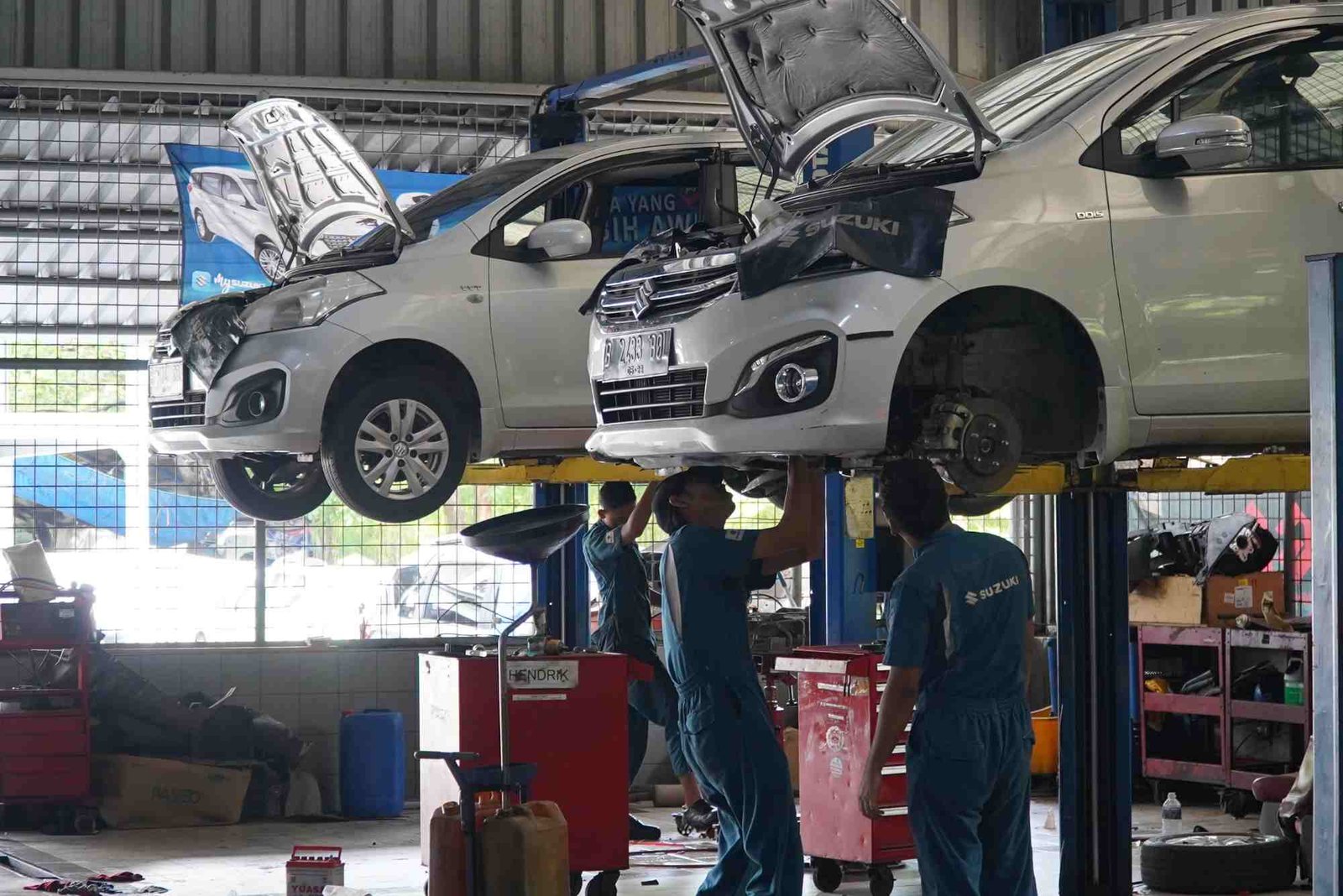
Owning a car is a big responsibility, especially for new drivers. Many first-time car owners do not fully understand beginner car maintenance, which leads to mistakes that are actually easy to avoid. A lack of basic maintenance knowledge can cause engine damage, reduced performance, and expensive repair bills.
Car maintenance is not just about washing the vehicle or changing the oil occasionally. Many important elements must be monitored, including the engine condition, tire pressure, cooling system, and electrical components. When maintenance is done properly from the beginning, the vehicle can last longer and perform more efficiently.
This article explains the most common mistakes in beginner car maintenance and provides practical guidance to help keep your vehicle in excellent condition.
Why Beginner Car Maintenance Is Important
Many people believe that car maintenance is only necessary when something goes wrong. Unfortunately, this mindset often leads to serious mechanical problems. Understanding beginner car maintenance helps prevent damage before it happens.
Regular maintenance improves fuel efficiency, enhances driving safety, and extends the lifespan of your vehicle. A well-maintained car also maintains a higher resale value. In other words, proper maintenance is not only about keeping your car running but also about protecting your long-term investment.
Basic maintenance knowledge also makes drivers more confident on the road. When you understand your car’s condition, you can detect early warning signs and address problems before they become major issues.

Common Mistakes in Beginner Car Maintenance
Ignoring Oil Change Schedules
One of the most common mistakes in beginner car maintenance is ignoring regular oil changes. Engine oil lubricates internal components and reduces friction between moving parts. Without proper lubrication, the engine experiences excessive wear.
Many new car owners delay oil changes because the vehicle still appears to run smoothly. However, dirty oil gradually loses its ability to protect engine components. Over time, this can cause severe engine damage and costly repairs.
Following the manufacturer’s recommended oil change schedule is essential. Replacing oil regularly helps maintain engine efficiency and prolongs the vehicle’s lifespan.
Not Checking Tire Pressure Regularly
Tires are the only parts of the car that make direct contact with the road. Despite their importance, many car owners rarely check their tire pressure. This is another common mistake in beginner car maintenance.
Low tire pressure increases fuel consumption and causes tires to wear out faster. On the other hand, excessive pressure reduces traction and driving comfort. Both situations can compromise road safety.
Checking tire pressure regularly ensures better vehicle stability and improved fuel efficiency. Properly maintained tires also reduce the risk of accidents and unexpected breakdowns.
Neglecting the Engine Cooling System
The cooling system plays a critical role in maintaining the engine’s temperature. Unfortunately, many beginners rarely inspect the radiator or coolant levels. This oversight is a frequent issue in beginner car maintenance.
If the coolant level drops too low or becomes contaminated, the engine may overheat. Overheating can severely damage internal components and lead to expensive mechanical repairs.
Regularly checking the radiator and coolant helps prevent these problems. It is also important to use the coolant type recommended by the vehicle manufacturer.
Rarely Cleaning the Car Thoroughly
Some car owners focus only on washing the exterior of their vehicle. They often ignore the undercarriage and engine bay. However, cleanliness is also an important part of beginner car maintenance.
Dust, mud, and road salt can accumulate under the car and cause corrosion over time. Rust can weaken metal parts and reduce the structural integrity of the vehicle.
Cleaning your car thoroughly helps protect its components and maintain its appearance. A clean vehicle is also more enjoyable and comfortable to drive.
Ignoring Lights and Electrical Components
Vehicle lights are often overlooked by beginner drivers. Many people only notice a problem when a headlight stops working. Yet checking lighting systems is an important part of beginner car maintenance.
Malfunctioning lights reduce visibility and can be dangerous for both the driver and other road users. This is especially risky during nighttime driving or poor weather conditions.
Routine inspections of headlights, brake lights, battery connections, and other electrical components help prevent safety issues and ensure reliable performance.
How to Start Proper Car Maintenance
Starting beginner car maintenance does not have to be complicated. The first step is reading the vehicle’s owner manual. This document provides detailed instructions about service schedules and recommended maintenance procedures.
Car owners should also develop the habit of performing simple routine checks. Monitoring oil levels, tire pressure, and coolant levels can be done easily at home.
In addition, regular service visits to a trusted mechanic are highly recommended. Professional technicians can identify hidden issues that may not be visible during basic inspections.
Long-Term Consequences of Poor Car Maintenance
Mistakes in beginner car maintenance may seem minor at first. However, they can lead to serious consequences over time. Engine damage, poor fuel efficiency, and costly repairs are common results of neglected maintenance.
Poorly maintained vehicles are also more likely to break down unexpectedly. A sudden breakdown can disrupt travel plans and create dangerous situations on the road.
Consistent maintenance is the best way to prevent these issues. Taking small preventive steps today can save significant time and money in the future.
Understanding beginner car maintenance is essential for every vehicle owner. Many common mistakes, such as ignoring oil changes, failing to check tire pressure, and neglecting the cooling system, can cause serious damage if left unaddressed.
By following regular maintenance routines and paying attention to your car’s condition, you can keep your vehicle running smoothly for many years. Proper maintenance also improves driving safety and reduces long-term repair costs.
If you recently purchased your first car, start learning the basics of maintenance today. Check your vehicle regularly, follow the recommended service schedule, and consult professional mechanics when necessary. Taking these simple steps will help ensure that your car remains reliable, safe, and efficient.
FAQ – Frequently Asked Questions
How often should a car be serviced?
Most vehicles should be serviced every 5,000 to 10,000 kilometers. However, the exact schedule depends on the vehicle model and driving conditions.
What car maintenance can beginners do themselves?
Beginners can check tire pressure, inspect engine oil levels, monitor coolant levels, and ensure lights are functioning properly.
What are the signs that a car needs immediate servicing?
Common signs include unusual engine noises, reduced performance, warning lights on the dashboard, and overheating.
Is washing a car considered maintenance?
Yes. Regular washing helps prevent dirt buildup, corrosion, and rust, which can damage the vehicle over time.
Motorcycle Clutch Slipping: Causes, Symptoms, and Solutions Motorcycle clutch slipping occurs when the engine’s power is not properly transferred to the wheels. It can be caused by worn clutch plates, incorrect clutch adjustment, or unsuitable engine oil. Common symptoms include reduced power when accelerating. The solution is to readjust the clutch, replace worn plates, and use the recommended oil.