Choosing a formal outfit as a woman who wears hijab can be both exciting and challenging. The goal is to balance modesty with elegance, ensuring a professional look without compromising personal style. From office settings to formal events, a carefully chosen ensemble can reflect confidence, sophistication, and individuality. This guide will explore versatile options, styling tips, and expert advice for women seeking the perfect formal outfit while wearing hijab.
Understanding the Basics of Formal Wear for Hijab
When selecting a formal outfit, understanding the basic principles of modest fashion is essential. First, consider the fit of your clothing. Outfits should not be overly tight but should create a clean and structured silhouette. Materials play a crucial role; fabrics like cotton blends, crepe, silk, or satin are ideal for formal wear as they drape elegantly while maintaining comfort.
Colors also matter. Neutral tones like black, navy, gray, and beige are timeless for office or formal occasions. However, soft pastels or muted jewel tones can add personality without overpowering the modest aesthetic. Remember, formal wear is about subtle elegance rather than flashy or overly trendy styles.
Key Elements of a Formal Outfit for Women in Hijab
A well-coordinated formal outfit often consists of layered pieces that complement one another. A tailored blazer over a long tunic or dress adds structure and authority. Maxi skirts or wide-legged trousers can create a balanced look while remaining modest. Accessories such as belts, statement jewelry, or minimalistic handbags can enhance the outfit without overwhelming it.
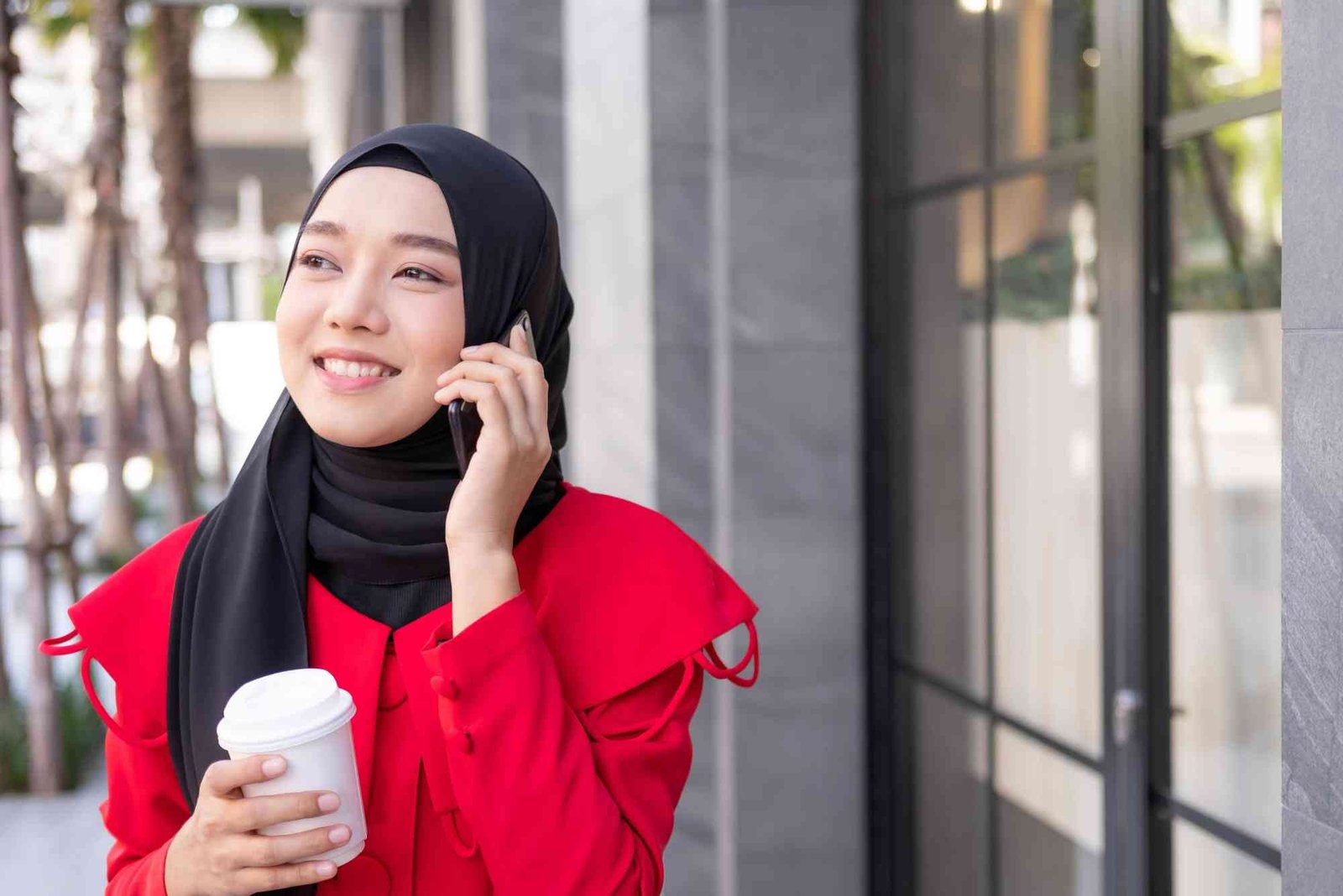
Hijab styles should harmonize with the outfit. Lightweight fabrics like chiffon or silk provide a polished appearance and can be styled neatly to match collars, necklines, and the overall silhouette. Color coordination is essential; a hijab in a complementary or matching tone creates a cohesive and professional look.
Formal Dresses Suitable for Hijab Wearers
Formal dresses for women in hijab can range from straight-cut to A-line styles. A-line dresses are flattering for most body types, offering movement and modest coverage simultaneously. Straight-cut dresses with long sleeves and high necklines can convey professionalism and elegance. Layering with a tailored blazer or long vest enhances sophistication and ensures coverage.
Midi or maxi-length dresses are preferred for formal occasions, providing comfort and modesty. Structured fabrics such as crepe or satin hold shape well, while flowy fabrics like chiffon offer softness and elegance. Dresses with subtle embellishments, lace panels, or minimal embroidery can add interest without compromising the formal look.
Choosing the Right Pants and Skirts
Wide-legged trousers, palazzo pants, or straight-cut pants are excellent choices for formal settings. Pair them with long tunics, blazers, or structured tops to maintain a professional silhouette. Pants in neutral colors such as black, navy, or gray are versatile and easy to mix with various tops.
Formal skirts should be long enough to maintain modesty. Pencil skirts reaching below the knees, A-line skirts, or pleated skirts work well when paired with longer tops or blouses. Structured fabrics like wool blends or crepe are ideal for maintaining a polished and professional appearance throughout the day.
Tops and Blouses for a Professional Look
When it comes to tops, choose modest designs that offer full coverage. High-neck blouses, button-up shirts, and tunics with long sleeves are excellent options. Layering a blazer or cardigan can add structure and formality, creating a balanced outfit suitable for meetings or presentations.
Fabrics should be wrinkle-resistant and breathable. Cotton blends, silk, or satin work well for professional settings. Avoid overly shiny or flashy materials, which may distract from the overall professional aesthetic. Soft patterns like stripes, polka dots, or muted florals can add a touch of personality while maintaining formality.
Hijab Styling for Formal Outfits
Hijab styling can elevate a formal outfit when done thoughtfully. Neatly draped hijabs with minimal folds and a clean finish give a polished appearance. For structured tops or blazers, choose a hijab style that stays in place and complements the neckline.
Layering hijabs in neutral tones with formal outfits creates a seamless look. Matching the hijab with the outfit’s color palette adds cohesion, while contrasting colors can provide a subtle accent. Lightweight fabrics like chiffon or silk are ideal for formal settings, as they are easy to shape and maintain throughout the day.
Footwear and Accessories
Footwear plays a crucial role in completing a formal outfit. Closed-toe heels, flats, or ankle boots in neutral shades are practical yet stylish. Avoid overly casual shoes, as they can undermine the sophistication of the ensemble.
Accessories should be minimal but thoughtful. Simple watches, stud earrings, or delicate necklaces enhance the outfit without making it appear cluttered. Belts can define the waistline for long tunics or dresses, while structured handbags maintain a professional appeal.
Tips for Seasonal and Event-Based Variations
Seasonal adjustments are important for formal outfits. In warmer months, opt for breathable fabrics and lighter colors. Layering lightweight blazers or cardigans allows for comfort without sacrificing elegance. In colder months, structured coats, long-sleeved tops, and tailored trousers in heavier fabrics like wool or velvet maintain a polished look.
For special events, consider subtle embellishments or textured fabrics. Satin skirts, chiffon blouses, or lace overlays can make a formal outfit event-appropriate while remaining modest. Hijab styles can also be adjusted for formal occasions using pins, drapes, or elegant folds to complement the outfit.
Maintaining Comfort and Confidence
Comfort is key to carrying a formal outfit with confidence. Ensure that fabrics are breathable, flexible, and suitable for long hours of wear. The right fit, combined with flattering silhouettes, allows movement without compromising modesty or style. Confidence is enhanced when a woman feels at ease in her attire, making posture, poise, and demeanor as important as the outfit itself.
Planning your outfit in advance ensures a cohesive and polished look. Consider pairing colors, textures, and accessories before stepping into a formal setting. Experimenting with small details such as belts, brooches, or patterned scarves can create a unique signature style.
Creating a formal outfit for women who wear hijab is about balancing elegance, modesty, and professionalism. By choosing the right fabrics, colors, and silhouettes, every woman can feel confident and stylish in formal settings. Layering, thoughtful accessorizing, and careful hijab styling make a remarkable difference in appearance. Whether attending a corporate meeting, an official event, or a formal gathering, the right outfit can convey authority, sophistication, and individuality. Embrace these tips to elevate your wardrobe and present your best self. Explore our curated collections today and find the perfect formal outfit that reflects your modest style and professional confidence.
Looking to stay ahead in youth style trends? Discover the latest in Trendy Korean Teen Fashion, where innovative designs meet everyday comfort and youthful expression. This guide highlights popular looks and styling tips that are influencing teens around the world, helping you refresh your wardrobe with the coolest Korean-inspired outfits and accessories.
FAQs
What is the best formal outfit for hijab-wearing women?
The best formal outfit combines long-sleeved tops, tailored trousers or skirts, structured blazers, and a neatly styled hijab in complementary colors.
Can I wear dresses as a formal outfit with hijab?
Yes, A-line, straight-cut, or midi-length dresses with long sleeves are ideal. Layering with a blazer adds elegance and professionalism.
What fabrics are recommended for formal hijab outfits?
Choose fabrics like cotton blends, crepe, silk, chiffon, or satin. They are comfortable, drape elegantly, and maintain a polished appearance.
How can I style my hijab for a professional look?
Opt for neat folds, lightweight fabrics, and colors that match or complement your outfit. Avoid overly casual styles for formal settings.
Are accessories necessary for formal hijab outfits?
While not mandatory, minimal accessories like watches, belts, or simple jewelry enhance the outfit and complete the professional appearance.
How do I stay comfortable in formal outfits while wearing hijab?
Select breathable fabrics, avoid tight-fitting pieces, and choose styles that allow movement. Confidence comes from comfort and appropriate fit.