
Introduction
Transportation is the backbone of any economy. It connects people, goods, and services across cities, states, and countries. Without proper regulation, the transportation sector could become chaotic, unsafe, and environmentally harmful. Governments play a crucial role in establishing rules, monitoring compliance, and ensuring that transportation systems operate efficiently and safely. This article explores how the government regulates the transportation sector, focusing on safety, infrastructure, environmental standards, and economic oversight.
Understanding Government Regulation in Transportation
Government regulation in transportation refers to the laws, policies, and enforcement mechanisms that oversee the movement of people and goods. These regulations ensure public safety, maintain infrastructure, protect the environment, and support economic growth. Regulatory bodies may operate at national, regional, or local levels, and their authority often covers multiple modes of transportation, including roadways, railways, air travel, and maritime operations.
Objectives of Transportation Regulation
- Safety Enforcement: Preventing accidents and protecting passengers, drivers, and workers.
- Environmental Protection: Reducing emissions and promoting sustainable transportation.
- Economic Oversight: Ensuring fair competition, price controls, and market stability.
- Infrastructure Management: Maintaining roads, bridges, airports, and ports for efficiency.
Key Areas of Transportation Regulation
Road Transportation
Road transport is one of the most heavily regulated sectors because it directly affects millions of people daily. Governments set rules for vehicle safety, driver licensing, traffic laws, and freight regulations.
- Vehicle Safety Standards: Regulations require vehicles to meet specific safety criteria, including airbags, brakes, lights, and emission systems.
- Driver Licensing and Training: Governments enforce licensing systems to ensure drivers have the necessary skills and knowledge to operate vehicles safely.
- Traffic Management: Speed limits, signage, and traffic lights are mandated to reduce accidents and maintain order.
- Freight Regulation: Trucks carrying goods must adhere to weight limits, load securement laws, and route restrictions to prevent road damage and enhance safety.
Rail Transportation
Rail systems are critical for long-distance travel and freight movement. Governments regulate railways to ensure passenger safety, operational efficiency, and network reliability.
- Safety Inspections: Regular checks of tracks, signals, and rolling stock prevent accidents.
- Operational Standards: Timetables, cargo handling, and train speeds are monitored to maintain reliability.
- Environmental Compliance: Diesel engines and other emissions sources are regulated to reduce air pollution.
Air Transportation
Air travel is highly regulated due to the complexity and risks involved. Government agencies oversee airlines, airports, and air traffic control systems.
- Aircraft Certification: Planes must meet strict safety and maintenance standards before operation.
- Pilot Licensing: Pilots undergo rigorous training and certification processes.
- Air Traffic Control: Strict protocols prevent mid-air collisions and ensure safe navigation.
- Passenger Rights: Regulations cover refunds, delays, baggage handling, and accessibility.
Maritime Transportation
The shipping industry is vital for global trade, and governments regulate ports, ships, and crews to maintain safety and environmental standards.

- Ship Registration and Certification: Vessels must comply with safety codes and have proper documentation.
- Crew Training: Seafarers are required to have certifications demonstrating competence in safety and operations.
- Environmental Regulations: Laws limit ballast water discharge, oil spills, and emissions from ships.
- Port Authority Oversight: Governments manage port operations to ensure security, efficiency, and fair trade practices.
Economic and Policy Regulations
Beyond safety and environmental concerns, governments regulate transportation to support economic stability and market fairness.
- Pricing and Tariffs: Regulation of public transport fares ensures affordability while maintaining operational viability.
- Competition Laws: Prevent monopolies and encourage private investment in the transportation sector.
- Subsidies and Grants: Governments may provide funding for public transport systems, infrastructure projects, and environmentally friendly initiatives.
- Licensing and Permits: Businesses operating in logistics, ride-sharing, or freight require government permits to operate legally.
Environmental and Sustainability Regulations
Sustainability is increasingly central to government regulation. Transportation contributes significantly to carbon emissions and pollution, prompting governments to implement eco-friendly policies.
- Emission Standards: Vehicles, ships, and planes must meet emission limits.
- Fuel Regulations: Promotion of cleaner fuels such as electric or hybrid energy.
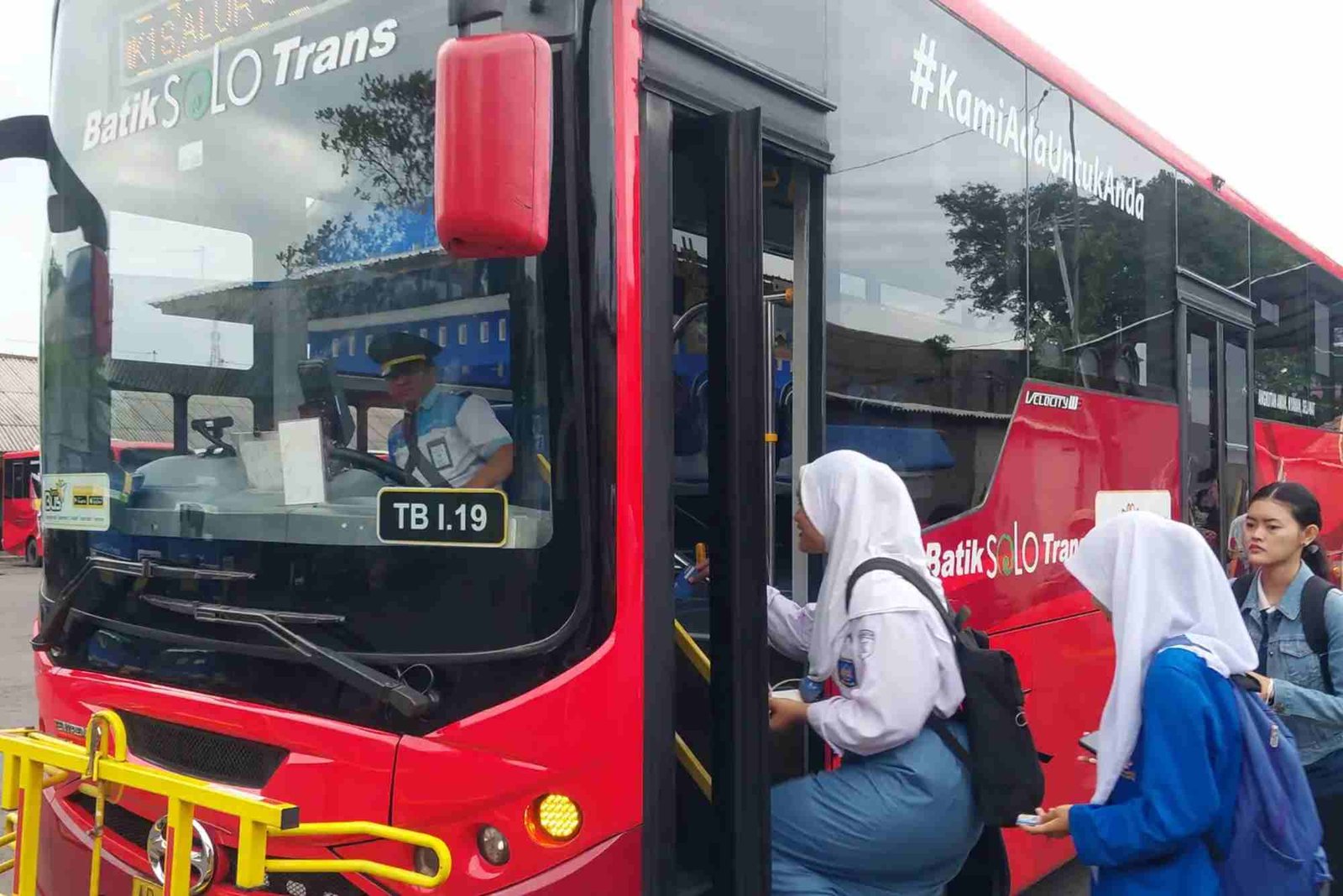
- Public Transport Initiatives: Governments invest in buses, subways, and rail systems to reduce reliance on private vehicles.
- Infrastructure Planning: Urban planning incorporates pedestrian zones, cycling lanes, and green transportation corridors.
Enforcement Mechanisms
Regulations are only effective if properly enforced. Governments use a variety of mechanisms to ensure compliance:
- Inspection and Audits: Regular inspections of vehicles, aircraft, trains, and ships.
- Fines and Penalties: Non-compliance can result in monetary fines or operational suspension.
- Monitoring Technology: Use of GPS, traffic cameras, and emissions sensors for real-time oversight.
- Public Reporting Systems: Encouraging citizens to report unsafe practices or violations.
Challenges in Transportation Regulation
Despite regulations, governments face several challenges:
- Rapid Technological Change: Autonomous vehicles, drones, and electric planes require new regulatory frameworks.
- Budget Constraints: Maintaining infrastructure and enforcing safety can be expensive.
- Global Coordination: International shipping and aviation require coordination with foreign authorities.
- Urbanization Pressures: Growing cities demand expanded, efficient, and environmentally sustainable transport systems.
Government regulation in transportation ensures safety, efficiency, economic fairness, and environmental protection. Without these measures, transport systems would be chaotic, unsafe, and unsustainable. Citizens benefit from reliable roads, safe vehicles, clean air, and equitable public transportation options.
FAQs
Why does the government regulate transportation?
The government regulates transportation to ensure safety, protect the environment, maintain infrastructure, and support economic stability.
How do regulations improve road safety?
Regulations enforce vehicle safety standards, driver licensing, traffic rules, and freight guidelines, reducing accidents and injuries.
What role does the government play in air travel safety?
Governments oversee aircraft certification, pilot licensing, air traffic control, and passenger rights to ensure safe air travel.
How are environmental concerns addressed in transportation?
Governments implement emission standards, promote clean fuels, invest in public transport, and enforce eco-friendly infrastructure planning.
Can transportation regulations impact the economy?
Yes, regulations influence pricing, competition, investment, and market stability, supporting fair and efficient transportation services.
Latest Public Policies You Need to Know: Staying updated on public policies is essential as they shape society, economy, and daily life. From healthcare reforms to environmental regulations and education initiatives, these policies impact everyone. Knowing them helps you make informed decisions, engage in civic discussions, and understand how government actions affect your community.