
Choosing the right SPF sunscreen can feel overwhelming with so many options available today. Whether you are walking to work, enjoying a day at the beach, or exercising outdoors, protecting your skin from harmful UV rays is essential. Sunscreen is a critical part of daily skincare, yet many people are confused about which SPF level to choose or how to apply it properly.
Understanding SPF and What It Means for Your Skin
SPF stands for Sun Protection Factor. It indicates how well a sunscreen protects your skin from UVB rays, the main cause of sunburn. The SPF number tells you how long you can stay in the sun without burning compared to not wearing sunscreen. For example, SPF 30 means you can stay in the sun 30 times longer without burning than if you had no protection. However, SPF only measures UVB protection, not UVA, which penetrates deeper and contributes to premature aging and skin cancer.
When choosing a sunscreen, look for “broad-spectrum” on the label. Broad-spectrum sunscreens protect against both UVA and UVB rays, giving your skin more complete defense. Many people focus only on SPF numbers, but broad-spectrum coverage is equally important.
Determine Your Skin Type and Sensitivity
Your skin type plays a major role in selecting the right sunscreen. People with fair or sensitive skin are more prone to sunburn and may need a higher SPF, typically SPF 30 or above. Those with darker skin tones still require protection, as UV rays can cause skin damage and increase the risk of skin cancer over time.
If your skin is oily or acne-prone, consider a non-comedogenic sunscreen that won’t clog pores. For dry skin, moisturizing sunscreens with added hydration or ingredients like hyaluronic acid can help maintain skin balance. People with sensitive skin should avoid sunscreens with fragrances or alcohol, as these can irritate the skin.
Consider Your Lifestyle and Sun Exposure
Your daily activities influence the SPF you should choose. If you spend most of your time indoors with occasional outdoor exposure, SPF 15 to 30 may be sufficient. For outdoor activities like hiking, swimming, or sports, a higher SPF of 30 to 50 is recommended, along with frequent reapplication every two hours or after sweating or swimming.
Think about the time of day you are exposed to the sun. UV intensity is strongest between 10 a.m. and 4 p.m., so higher SPF and additional protective measures like hats and clothing are essential during these hours. People living in sunny or high-altitude regions should also consider higher SPF for better protection.
Choose the Right Formulation for Your Needs
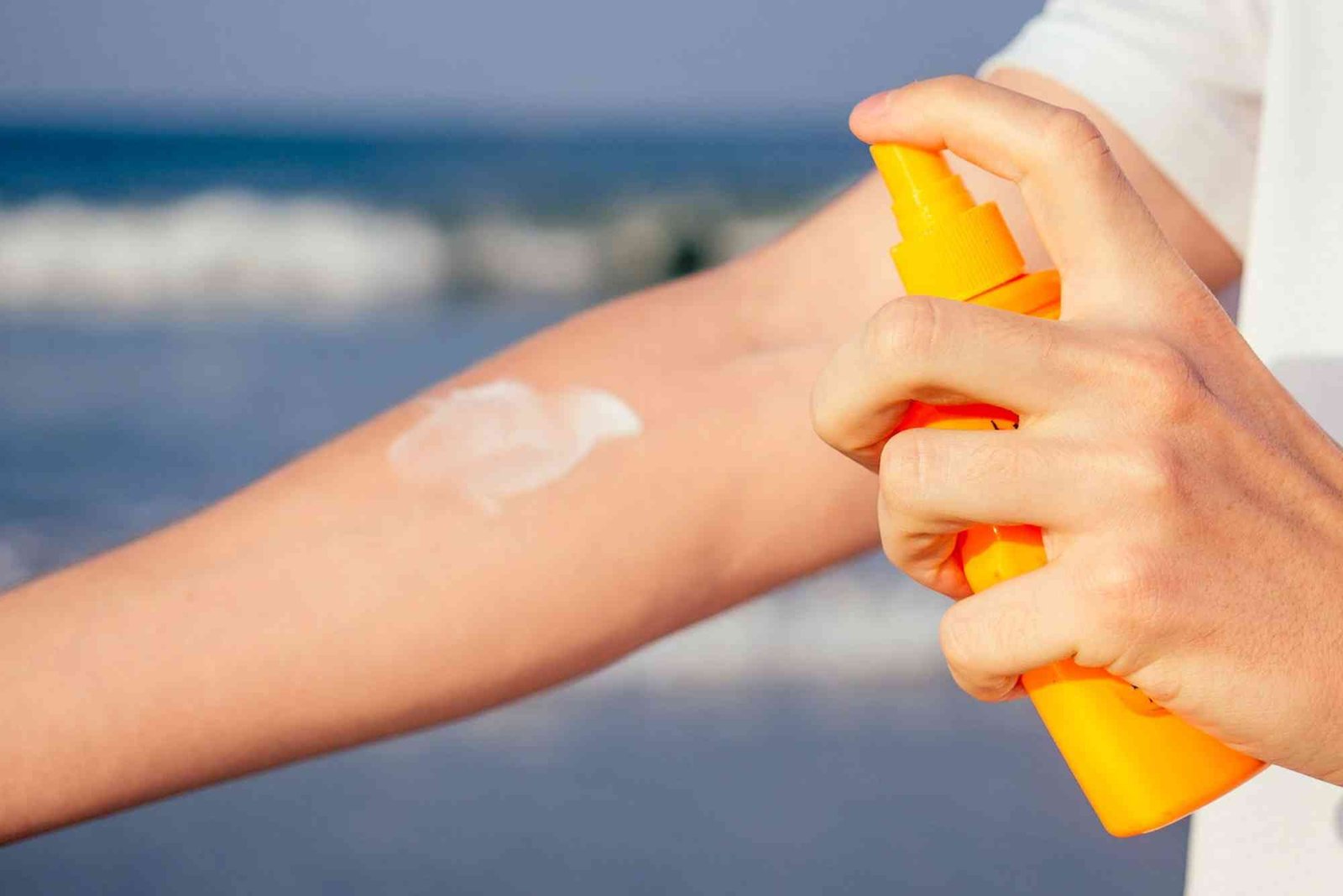
Sunscreens come in various forms, including lotions, creams, gels, sprays, and sticks. Each formulation has advantages depending on your skin type and preferences. Creams are ideal for dry skin and provide thorough coverage. Gels are lightweight and suitable for oily or acne-prone skin. Sprays offer convenience, but require careful application to avoid missing spots. Sticks are perfect for targeted areas like the face, lips, or around the eyes.
It’s important to ensure even and adequate application, regardless of the form. Most adults need about one ounce (roughly a shot glass) of sunscreen to cover their body properly. Applying less reduces effectiveness, even with a high SPF.
Understand Additional Ingredients and Benefits
Modern sunscreens often include added ingredients for skin benefits. Antioxidants like vitamin C or E help combat free radical damage caused by UV rays. Moisturizers help maintain skin hydration, and mineral sunscreens with zinc oxide or titanium dioxide provide gentle protection for sensitive skin.
Chemical sunscreens absorb UV radiation and convert it to heat, while physical (mineral) sunscreens reflect the rays. Physical sunscreens are less likely to irritate sensitive skin and offer immediate protection, whereas chemical sunscreens may take 15–20 minutes to become effective after application. Understanding the active ingredients can help you choose a product that suits your skin and preferences.
Check for Water Resistance
If you swim, exercise, or sweat heavily, choose a water-resistant sunscreen. Water-resistant does not mean waterproof, so reapplication is still necessary. Labels often indicate 40 or 80 minutes of water resistance, giving guidance on how often to reapply. Combining water resistance with broad-spectrum protection ensures you stay safe during extended outdoor activities.
Apply Correctly for Maximum Protection
Even the best sunscreen won’t protect you if applied incorrectly. Apply sunscreen 15–30 minutes before going outdoors to allow absorption. Don’t forget areas like ears, neck, hands, and the back of the legs. Reapply every two hours or immediately after swimming or heavy sweating. Using sunscreen daily, regardless of the weather, is essential. Clouds only block a portion of UV rays, so overcast days still pose a risk of skin damage.
Layering sunscreen with other protective measures, such as hats, sunglasses, and UV-protective clothing, offers comprehensive protection. Combining methods reduces sun damage and minimizes the risk of premature aging, sunburn, and skin cancer.
Tips for Choosing the Right SPF Sunscreen
When selecting a sunscreen, read the label carefully. Look for broad-spectrum protection, the appropriate SPF for your skin type, and water resistance if needed. Consider your skin sensitivity, preferences for formulation, and any additional skincare benefits. Test new products on a small area first to ensure no irritation occurs.
Store sunscreen in a cool, dry place. Heat and sunlight can degrade active ingredients, reducing effectiveness. Check the expiration date regularly, as expired sunscreen may not offer proper protection.
Common Myths About SPF Sunscreen
There are several misconceptions about sunscreen that can lead to improper protection. Some believe higher SPF means they can stay in the sun longer without reapplying. While SPF indicates longer protection, reapplication every two hours is still necessary. Another myth is that people with darker skin tones don’t need sunscreen. UV damage affects all skin types, and everyone benefits from daily protection.
Some people avoid sunscreen because they don’t like the texture or feel on their skin. Modern formulations, including lightweight gels, sprays, and mineral options, cater to different preferences, making daily use easier and more comfortable. Understanding these myths helps make informed choices and maintain healthy skin.
Choosing the right SPF sunscreen is about understanding your skin type, lifestyle, and exposure to the sun. Broad-spectrum protection, proper SPF level, suitable formulation, and correct application are all essential for optimal defense. Protecting your skin daily reduces the risk of sunburn, premature aging, and long-term skin damage. Make sunscreen a part of your routine and complement it with other protective measures like clothing and sunglasses. Your skin will thank you for years to come. Start prioritizing your skin health today by selecting the right SPF sunscreen for your needs and making sun protection a daily habit.
To achieve healthier, more radiant skin on your arms and legs, establishing a consistent care routine is essential. Simple steps like regular exfoliation, deep hydration, and protection from sun damage can significantly improve the brightness and texture of your skin. For practical tips and effective strategies on how to care for arm and leg skin to make it brighter, check out this helpful guide: how to care for arm and leg skin to make it bright.
FAQs
What SPF should I use daily?
For daily outdoor exposure, SPF 30 is generally recommended for most skin types. Higher SPF may be necessary for fair or sensitive skin.
How often should I reapply sunscreen?
Reapply every two hours or immediately after swimming, sweating, or towel drying, regardless of SPF level.
Is sunscreen necessary on cloudy days?
Yes. Up to 80% of UV rays can penetrate clouds, making protection essential even on overcast days.
Can I use the same sunscreen for my face and body?
Yes, but consider formulations. Facial sunscreens are often lighter, non-comedogenic, and suitable for sensitive skin.
Does higher SPF mean better protection?
Higher SPF provides more UVB protection, but reapplication and broad-spectrum coverage are equally important for overall sun safety.