
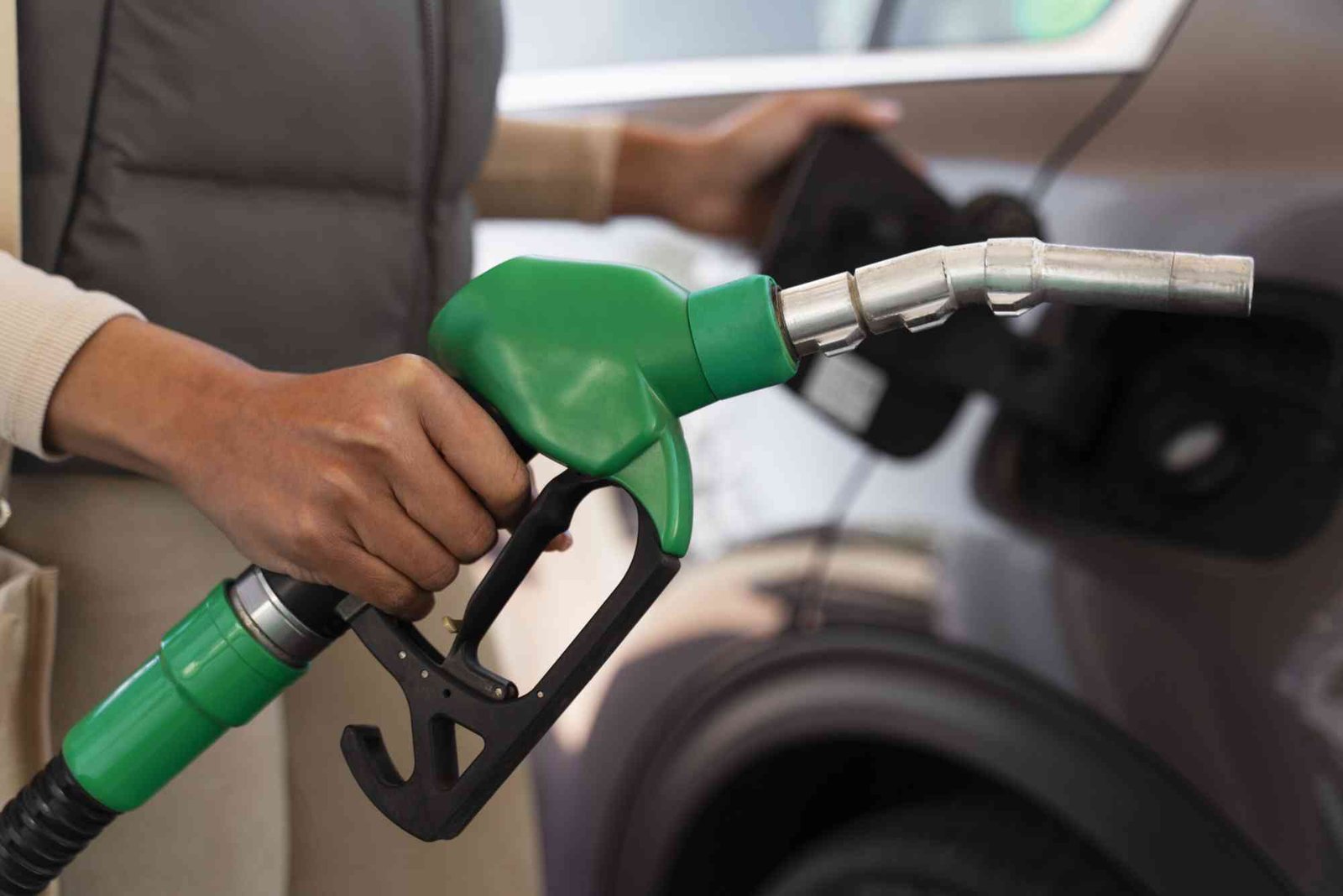
Fuel efficiency is a crucial aspect of car ownership, affecting both your expenses and environmental impact. Many car owners face the frustrating situation where their vehicle consumes more fuel than expected. Understanding the causes of a car consuming fuel excessively can help you address the issue promptly, save money, and maintain your car’s performance. From mechanical issues to driving habits, multiple factors contribute to high fuel consumption, and identifying them early can prevent long-term damage.
Poor Engine Maintenance
One of the most common reasons a car consumes excessive fuel is poor engine maintenance. When the engine is not properly maintained, it works harder to achieve the desired performance, consuming more fuel in the process. Regular oil changes, timely replacement of spark plugs, and cleaning engine components are essential to maintain optimal fuel efficiency. Dirty or worn-out spark plugs, for example, reduce the combustion efficiency of the engine, resulting in higher fuel consumption. Similarly, neglecting oil changes can lead to increased friction in engine components, causing the car to use more fuel than normal.
Clogged Air Filters
The air filter plays a critical role in ensuring that clean air enters the engine for proper combustion. A clogged or dirty air filter restricts airflow, forcing the engine to work harder and burn more fuel. Drivers often underestimate the impact of air filter maintenance on fuel efficiency. Replacing a dirty air filter can improve engine performance and reduce fuel consumption. Modern vehicles usually indicate when air filter maintenance is due, but regular inspections are recommended, especially for cars driven in dusty or polluted areas.
Faulty Oxygen Sensors
Oxygen sensors monitor the amount of oxygen in the exhaust gases and help the engine control module adjust the air-fuel mixture. A faulty oxygen sensor can mislead the engine into delivering too much fuel, resulting in excessive consumption. Symptoms of a failing oxygen sensor include poor acceleration, rough idling, and increased emissions. Timely replacement of oxygen sensors not only improves fuel efficiency but also helps in meeting emission standards, protecting the environment.
Worn Fuel Injectors
Fuel injectors are responsible for delivering precise amounts of fuel into the engine cylinders. Over time, they can become clogged or worn, causing uneven fuel distribution. This inefficiency often leads to higher fuel consumption and decreased engine performance. Regular cleaning and servicing of fuel injectors are necessary to maintain optimal combustion and fuel economy. Using high-quality fuel and fuel system cleaners can prevent early clogging of injectors and prolong their lifespan.
Incorrect Tire Pressure
Many car owners overlook the impact of tire pressure on fuel efficiency. Underinflated tires increase rolling resistance, making the engine work harder and consume more fuel. Maintaining the recommended tire pressure ensures smoother driving and better fuel economy. Checking tire pressure regularly, especially before long trips, can prevent unnecessary fuel wastage. Proper alignment and rotation also contribute to optimal tire performance, further reducing fuel consumption.

Excessive Idling
Leaving your car idling for long periods may seem harmless, but it significantly increases fuel consumption. Modern engines are designed to use fuel efficiently while driving, but idling burns fuel without productive movement. Reducing idle time, such as turning off the engine while waiting in traffic, can improve fuel efficiency. Some newer cars come with automatic start-stop systems that minimize fuel wastage during idle periods, but manual attention is still important for older models.
Aggressive Driving Habits
How you drive directly affects fuel consumption. Rapid acceleration, frequent hard braking, and high-speed driving put more load on the engine and consume more fuel. Smooth driving habits, such as gradual acceleration and maintaining a steady speed, can reduce fuel consumption significantly. Using cruise control on highways also helps maintain consistent speed and lower fuel usage. Experienced drivers know that gentle driving not only saves fuel but also reduces wear and tear on vehicle components.
Heavy Vehicle Load
Carrying excessive weight puts additional stress on the engine and reduces fuel efficiency. Even small amounts of extra cargo can make a noticeable difference in fuel consumption. Removing unnecessary items from the car and avoiding overloading can improve fuel economy. Similarly, using roof racks or carriers unnecessarily increases air resistance, forcing the engine to burn more fuel. Being mindful of your vehicle’s load capacity is an easy yet effective way to save fuel.
Problems with the Exhaust System
A damaged or leaking exhaust system can affect engine performance and fuel efficiency. Exhaust leaks change the back pressure in the system, which can alter the air-fuel mixture and lead to higher fuel consumption. Unusual noises, vibrations, or a strong exhaust smell are signs that your exhaust system may need inspection. Regular maintenance and timely repairs of exhaust components, including the catalytic converter and muffler, are essential for optimal fuel efficiency.
Fuel Quality and Type
The quality and type of fuel you use can influence fuel consumption. Low-quality fuel may contain impurities that affect engine performance and lead to higher consumption. Similarly, using a fuel grade not recommended by the car manufacturer can reduce efficiency. Always follow the manufacturer’s fuel recommendations and opt for reputable fuel stations. Occasionally using fuel system cleaners can also prevent buildup and maintain proper fuel flow, contributing to better fuel economy.
Malfunctioning Thermostat
The thermostat regulates the engine temperature, ensuring it operates efficiently. A malfunctioning thermostat can cause the engine to run too cold or too hot, affecting fuel efficiency. When the engine runs cold, it requires a richer fuel mixture, increasing consumption. On the other hand, overheating can damage components and lead to long-term performance issues. Replacing a faulty thermostat promptly ensures optimal engine temperature and better fuel economy.
Transmission Issues
Automatic transmission problems, such as delayed shifting or slipping gears, can increase fuel consumption. A malfunctioning transmission makes the engine work harder to maintain speed, using more fuel. Regular servicing of the transmission fluid and components is essential for smooth operation and better fuel efficiency. For manual transmissions, proper clutch usage and timely gear changes also help reduce unnecessary fuel consumption.
Using Air Conditioning Excessively
Air conditioning systems increase engine load and fuel consumption. While using AC is necessary in hot weather, excessive reliance can lead to higher fuel usage. Moderating AC use and keeping windows closed at high speeds can improve fuel efficiency. Some modern cars feature eco modes that optimize AC performance while minimizing fuel consumption, helping drivers balance comfort and efficiency.
Understanding the causes of a car consuming fuel excessively is essential for any vehicle owner. From mechanical issues like worn spark plugs, clogged air filters, and faulty oxygen sensors to driving habits, tire pressure, and fuel quality, many factors contribute to high fuel consumption. Regular maintenance, smooth driving, and attention to small details can significantly improve fuel efficiency, reduce costs, and extend your car’s lifespan. If your vehicle consistently consumes more fuel than expected, consult a certified mechanic to diagnose and fix the issue promptly. Don’t wait for small problems to become costly repairs; taking preventive action saves money and ensures a smooth driving experience. For professional help, schedule a car check-up today and experience better fuel efficiency and performance.
Experiencing loud and unusual noises from your vehicle can be both alarming and disruptive, often signaling underlying issues that need immediate attention. To better understand what might be causing these sounds and how they can affect your car’s performance, check out this helpful guide on the common causes of noisy sounds in a car engine:
FAQs
Why is my car suddenly consuming more fuel?
Sudden fuel consumption can result from mechanical issues like a faulty oxygen sensor, clogged fuel injectors, or engine problems. Driving habits and heavy loads may also contribute.
How often should I check my air filter?
Air filters should be checked every 12,000 to 15,000 miles or more frequently in dusty areas. A clean filter improves fuel efficiency and engine performance.
Can tire pressure affect fuel consumption?
Yes, underinflated tires increase rolling resistance, causing the engine to burn more fuel. Maintaining recommended pressure improves fuel economy.
Does idling waste fuel?
Yes, idling burns fuel without movement. Reducing idle time and using start-stop systems can help save fuel.
How can I improve my car’s fuel efficiency?
Regular maintenance, smooth driving, proper tire pressure, quality fuel, and reducing unnecessary weight all improve fuel efficiency.