
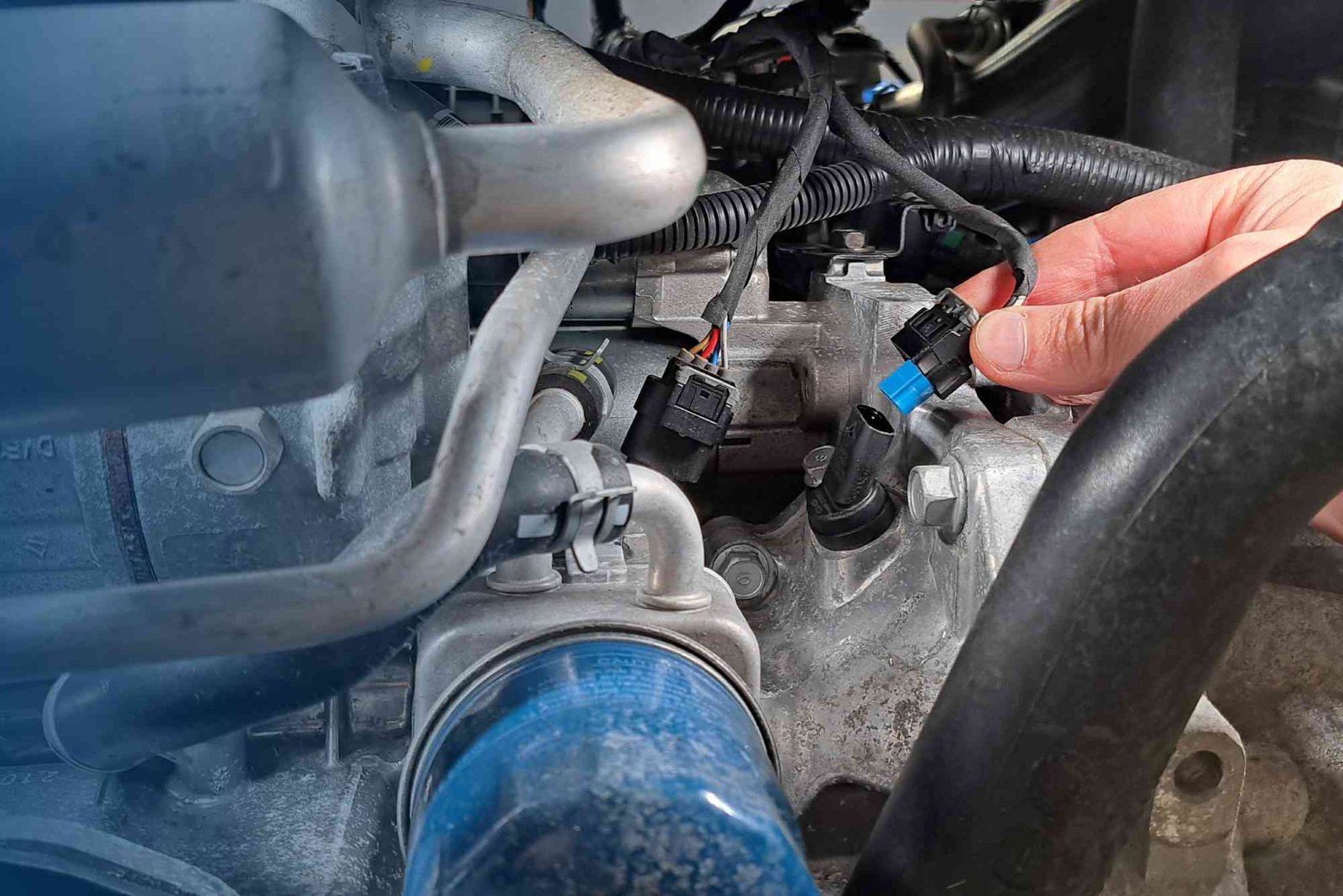
Introduction
Car sensors play a crucial role in ensuring your vehicle runs smoothly. From monitoring engine performance to controlling emissions, these sensors provide real-time data to your car’s computer system. When a sensor malfunctions, it can trigger warning lights, reduce performance, and even lead to costly repairs if ignored. Knowing how to fix a car sensor that is malfunctioning can save you time, money, and stress while keeping your vehicle in top condition.
Understanding Car Sensors
Modern cars rely on dozens of sensors to monitor various systems. Common sensors include oxygen sensors, mass airflow sensors, throttle position sensors, and crankshaft position sensors. Each sensor communicates with the vehicle’s engine control unit (ECU) to adjust fuel, air intake, and other critical functions. A malfunctioning sensor can cause engine misfires, poor fuel economy, or even prevent your car from starting. Before attempting repairs, it’s important to understand what each sensor does and how its failure affects the vehicle.
Signs That a Sensor Is Malfunctioning
Detecting a faulty sensor early can prevent more serious damage. Common signs include the check engine light turning on, rough idling, reduced fuel efficiency, stalling, or unusual emissions. In some cases, the car may exhibit no symptoms other than triggering diagnostic trouble codes (DTCs) when scanned with an OBD-II scanner. Paying attention to these signs allows you to identify problems before they worsen.
Check Engine Light
The check engine light is the most obvious indicator of a malfunctioning sensor. While it can signal multiple issues, a persistent light after routine checks often points to a sensor fault. Using a diagnostic scanner can pinpoint which sensor is causing the problem.
Poor Performance
A failing sensor can disrupt the fuel-to-air ratio, leading to poor acceleration, engine hesitation, or stalling. If your vehicle struggles to perform under normal conditions, a sensor may be at fault.
Fuel Economy Issues
A sensor that is misreporting data can cause your engine to consume more fuel than necessary. If you notice a sudden drop in mileage, it’s wise to inspect relevant sensors.
Tools and Materials Needed
Before fixing a car sensor that is malfunctioning, gather the proper tools. You will typically need an OBD-II scanner, a multimeter, replacement sensors (if required), and basic hand tools such as screwdrivers and wrenches. Safety equipment like gloves and eye protection is also recommended, especially when working near the engine. Having the right tools ensures a safer and more efficient repair process.
Steps to Diagnose a Faulty Sensor
Correctly diagnosing the issue is crucial. Begin by connecting an OBD-II scanner to your car’s diagnostic port. This tool reads error codes that correspond to specific sensors. Cross-reference the codes with your car’s manual to understand which sensor is failing. After identifying the sensor, inspect its wiring and connectors for damage, corrosion, or loose connections. Sometimes, a sensor appears faulty due to poor electrical contact rather than internal failure.
Visual Inspection
A visual inspection can reveal obvious issues. Look for frayed wires, broken connectors, or physical damage to the sensor. Many sensor problems result from environmental factors such as heat, vibration, or exposure to moisture. Cleaning or securing a damaged connection may solve the problem without replacing the sensor entirely.
Electrical Testing
Using a multimeter, check the voltage, resistance, and continuity of the sensor according to manufacturer specifications. This step confirms whether the sensor itself is defective. Testing allows you to avoid replacing a functioning sensor, saving unnecessary costs.
How to Fix a Car Sensor That Is Malfunctioning
Once the faulty sensor is identified, there are several ways to address it depending on the type and severity of the malfunction. Some issues can be resolved by cleaning the sensor, while others require replacement.
Cleaning the Sensor
Certain sensors, like the mass airflow sensor or oxygen sensor, accumulate dirt and debris over time. Cleaning them with a specialized cleaner can restore functionality. Remove the sensor carefully, spray the cleaner, allow it to dry, and reinstall it. Avoid touching the sensitive elements, as they can be easily damaged.
Replacing the Sensor
If cleaning does not solve the issue, replacement is usually the most reliable solution. Purchase a compatible sensor specific to your car make and model. Disconnect the battery, remove the faulty sensor, install the new one, and reconnect all wiring. Reset the ECU using the OBD-II scanner to clear error codes and ensure proper calibration.
Repairing Wiring or Connectors
In some cases, the sensor itself is fine, but faulty wiring causes malfunctions. Inspect connectors for corrosion or bent pins and repair damaged wires using electrical tape or replacement connectors. Properly secured wiring can restore sensor functionality without full replacement.
Preventing Future Sensor Failures
Regular maintenance can extend the lifespan of your car’s sensors. Keep your engine clean, perform routine inspections, and replace filters according to schedule. Avoid harsh chemicals or water pressure that could damage exposed sensors. Timely oil changes, fuel system cleaning, and avoiding prolonged exposure to extreme temperatures also help prevent sensor degradation.
Scheduled Maintenance
Following the manufacturer’s maintenance schedule ensures sensors remain in good condition. Regularly changing engine oil, air filters, and fuel filters reduces the risk of sensor contamination.
Safe Driving Practices
Aggressive driving, frequent short trips, and overloading your vehicle can stress sensors. Smooth acceleration, proper cooling, and avoiding overloading can prolong sensor life.
Common Sensors That Malfunction
While any sensor can fail, some are more prone to issues due to exposure or design. Oxygen sensors, mass airflow sensors, and crankshaft position sensors are among the most commonly affected. Knowing these trends helps prioritize inspection and replacement.
Oxygen Sensors
Oxygen sensors monitor the air-fuel mixture and play a key role in emissions control. A failing oxygen sensor can trigger the check engine light, reduce fuel efficiency, and increase emissions.
Mass Airflow Sensors
These sensors measure the amount of air entering the engine to adjust fuel delivery. Dirt, oil, or debris can cause inaccurate readings, leading to engine hesitation or stalling.
Crankshaft Position Sensors
These sensors track the position of the crankshaft to control ignition timing. A malfunctioning crankshaft sensor can prevent the engine from starting or cause sudden stalling while driving.
Fixing a car sensor that is malfunctioning may seem daunting, but with the right tools, knowledge, and careful diagnosis, most issues can be addressed efficiently. Whether cleaning, replacing, or repairing wiring, taking timely action prevents further damage and keeps your vehicle performing optimally. If you are unsure about diagnosing or repairing a sensor, consult a professional mechanic to ensure safety and accuracy. Don’t let a small sensor issue turn into a costly repair—act promptly to maintain your car’s performance and reliability.
Check your vehicle today for warning signs, perform proper diagnostics, and restore your car’s performance by fixing any malfunctioning sensors promptly.
If you’re looking for eco-friendly and budget-friendly options, Indonesia offers a growing range of affordable electric cars. These vehicles combine sustainability with modern technology, making them perfect for city driving and reducing your carbon footprint. To explore the best picks and learn which models suit your needs, check out our detailed guide on recommendations for affordable electric cars in Indonesia.
FAQ
How do I know if a car sensor is malfunctioning?
Common signs include the check engine light, poor performance, stalling, or reduced fuel efficiency.
Can I fix a sensor myself?
Yes, some sensors can be cleaned or replaced with basic tools, but complex diagnostics may require a professional.
How much does it cost to replace a car sensor?
Costs vary by sensor type and vehicle make, ranging from $50 to $300, including parts and labor.
Do all sensors affect engine performance?
Not all sensors directly impact performance, but critical ones like oxygen and mass airflow sensors significantly influence engine operation.
Can faulty wiring cause sensor errors?
Yes, damaged connectors or wiring often trigger false sensor readings and may mimic a malfunctioning sensor.