Introduction
The demand for electric vehicles is rising fast across Southeast Asia, and Indonesia is no exception. With increasing fuel prices, growing environmental awareness, and strong government support, electric cars are becoming a realistic option for everyday drivers. This article provides clear and practical Recommendations for Affordable Electric Cars in Indonesia, focusing on value, usability, and long-term benefits.
For many buyers, affordability is no longer just about the purchase price. It also includes charging costs, maintenance, incentives, and daily practicality. This guide is written to help Indonesian consumers understand the market and confidently choose the right electric car without overspending.

Why Electric Cars Are Gaining Popularity in Indonesia
Electric cars are no longer seen as luxury items in Indonesia. Several factors have pushed them into the mainstream. First, fuel prices remain unstable, making electricity a cheaper alternative for daily commuting. Second, urban areas like Jakarta and Surabaya face serious air pollution challenges, encouraging cleaner transport solutions.
Government policies also play a major role. Tax reductions, import duty incentives, and local production initiatives have helped reduce prices. As a result, more manufacturers now offer budget-friendly electric models designed specifically for Indonesian roads and lifestyles.
Understanding What “Affordable” Means in the Indonesian EV Market
Affordability means different things to different buyers. In the Indonesian context, an affordable electric car is one that balances price, range, charging convenience, and maintenance costs. Many buyers prioritize low upfront costs, while others focus on long-term savings.
Electric cars generally have fewer moving parts than conventional vehicles. This leads to lower maintenance expenses over time. Electricity is also significantly cheaper than petrol or diesel per kilometer. When these factors are considered together, electric cars often become more affordable than expected.
Recommendations for Affordable Electric Cars in Indonesia Based on Daily Use
Urban Commuting and City Driving
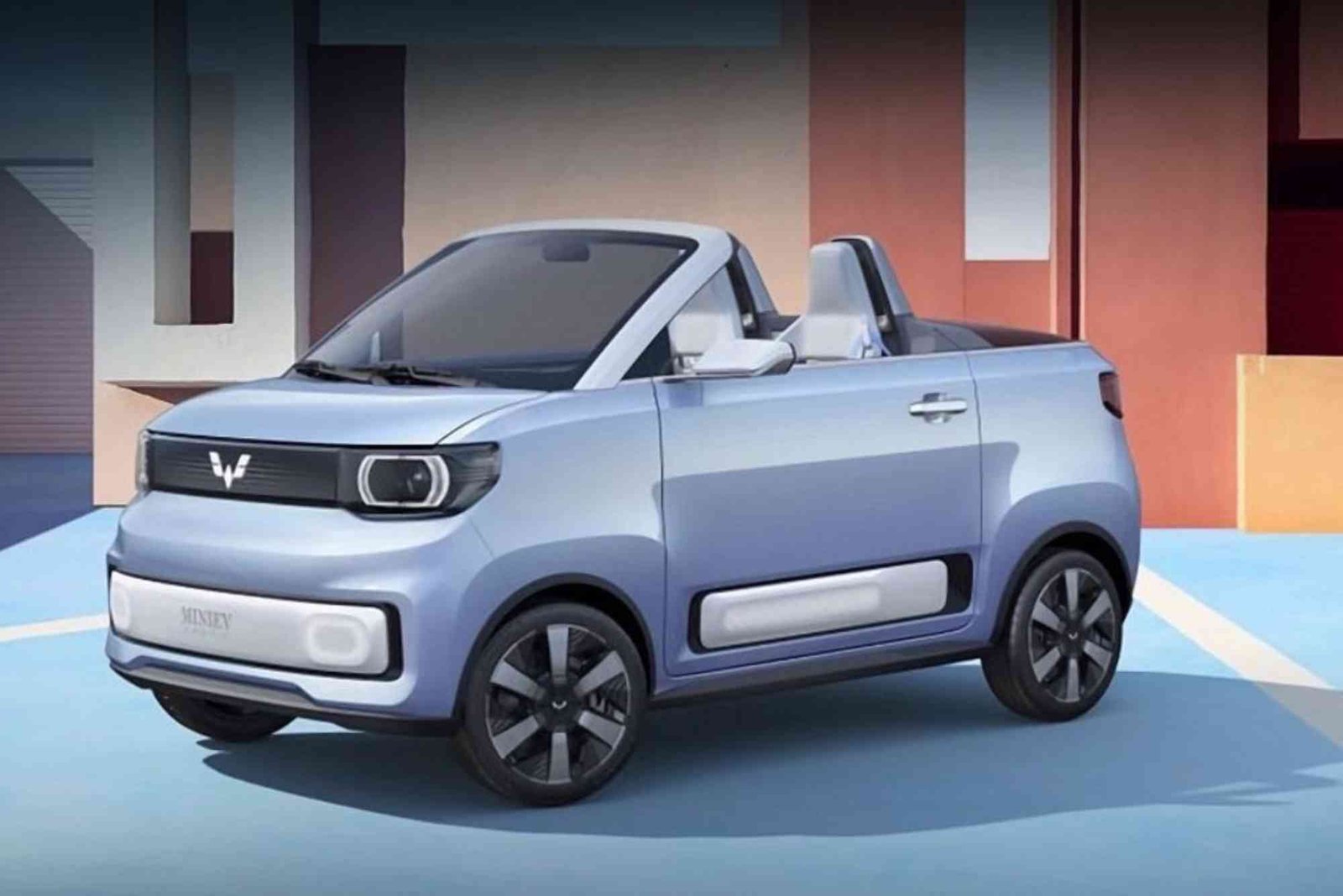
For city dwellers, compact electric cars make the most sense. These vehicles are easy to park, efficient in traffic, and designed for short to medium distances. Many affordable electric cars in Indonesia offer ranges suitable for daily commutes, school runs, and errands.
In crowded cities, smooth acceleration and quiet operation improve driving comfort. Smaller battery packs also help keep costs down, making these models ideal for first-time EV buyers.
Family Use and Practical Needs
Families often worry about space and safety when considering electric cars. Fortunately, several affordable models now offer sufficient cabin space, modern safety features, and decent luggage capacity. These cars are suitable for daily family use and occasional weekend trips.
While long-distance travel may require planning, improved charging infrastructure across Java and Bali makes family EV ownership increasingly practical.
Ride-Hailing and Commercial Use
Electric cars are becoming popular among ride-hailing drivers due to low running costs. For high-mileage usage, affordability depends more on efficiency and durability than initial price. Electric vehicles offer consistent performance and minimal servicing downtime, which is essential for income-focused drivers.
Battery Range and Charging Considerations
One of the most important aspects of affordable electric cars is battery range. Most budget-friendly models in Indonesia offer ranges between 200 and 350 kilometers on a full charge. This is more than enough for daily use in urban and suburban areas.
Charging options are expanding rapidly. Home charging remains the most economical solution, especially for overnight charging. Public charging stations are increasing in shopping malls, offices, and highways, reducing range anxiety for new users.
Fast charging is still limited in some regions. However, for most affordable electric cars, slow to medium charging fits well with daily routines.
Government Incentives and Their Impact on Affordability
The Indonesian government actively supports electric vehicle adoption. Incentives include reduced luxury tax, VAT discounts, and support for locally assembled electric cars. These policies significantly lower final prices for consumers.
Local manufacturing is another key factor. Cars assembled in Indonesia often benefit from lower costs and better after-sales support. This makes locally produced electric vehicles more affordable and reliable for long-term ownership.
Ownership Costs Compared to Conventional Cars
When evaluating Recommendations for Affordable Electric Cars in Indonesia, it is important to compare total ownership costs. Electric cars typically cost less to run per kilometer. Electricity prices are stable, and maintenance costs are lower due to fewer mechanical components.
Insurance costs may vary depending on model and battery value. However, as EV adoption increases, insurance products are becoming more competitive. Over five to ten years, many owners find electric cars cheaper than petrol vehicles.
Environmental and Social Benefits of Choosing Electric Cars
Electric cars produce zero tailpipe emissions. This directly improves air quality in dense urban areas. For Indonesia, where traffic congestion is a major issue, electric vehicles offer a cleaner and quieter alternative.
Choosing electric also supports national energy goals. Indonesia aims to reduce dependence on imported fuel and increase renewable energy usage. By adopting electric vehicles, consumers contribute to a more sustainable transportation ecosystem.
Challenges to Consider Before Buying an Affordable Electric Car
Despite the advantages, there are still challenges. Charging infrastructure outside major cities is limited. Buyers in remote areas should carefully consider charging access before purchasing.
Battery replacement costs can be high, although most manufacturers offer long warranties. Understanding warranty terms and battery lifespan is crucial when evaluating affordability.
Resale value is another consideration. The EV market is still evolving, so long-term resale trends are not fully established. However, increasing demand suggests improving resale prospects.
Tips for Choosing the Right Affordable Electric Car
Buyers should start by assessing daily driving distance. This helps determine the required battery range. Next, consider charging options at home or work. Without convenient charging, ownership may become inconvenient.
Test driving is essential. Electric cars feel different from conventional vehicles. Smooth acceleration and regenerative braking take time to adjust to. Finally, buyers should review after-sales service availability, as reliable support improves long-term satisfaction.
The Future of Affordable Electric Cars in Indonesia
The future looks promising. More global and local brands are entering the Indonesian market with competitively priced electric cars. Battery technology is improving, which will further reduce costs and increase range.
Government investment in charging infrastructure continues to grow. As economies of scale improve, electric cars are expected to become even more affordable. For many consumers, now is an ideal time to consider switching.
Understanding the causes of a car consuming too much fuel can help drivers improve their vehicle’s efficiency and save money at the pump. Many factors — from improper tire pressure and worn spark plugs to aggressive driving habits and faulty oxygen sensors — can contribute to excessive fuel consumption. To learn more about the common reasons behind this issue and how to diagnose them, check out this detailed guide:
Frequently Asked Questions
Are electric cars really cheaper to run in Indonesia?
Yes, electric cars are generally cheaper to run. Electricity costs less per kilometer than fuel, and maintenance expenses are lower due to fewer moving parts.
How long does it take to charge an affordable electric car?
Charging time depends on the charger type. Home charging usually takes six to eight hours, while public fast chargers can recharge up to 80 percent in under an hour for some models.
Is charging infrastructure sufficient in Indonesia?
Charging infrastructure is growing quickly, especially in major cities and highways. Urban users usually find charging convenient, while rural users should plan carefully.
Do electric cars perform well in Indonesian traffic?
Electric cars perform very well in stop-and-go traffic. Instant torque and smooth acceleration make them ideal for congested roads.
Are electric car batteries durable in a tropical climate?
Modern electric car batteries are designed to handle various climates, including tropical conditions. Proper thermal management and warranties provide added assurance.
Making a Smart Choice for the Future
Choosing from the best Recommendations for Affordable Electric Cars in Indonesia requires careful consideration of lifestyle, budget, and long-term goals. Electric cars are no longer a distant dream. They are practical, economical, and increasingly accessible for Indonesian consumers.
With lower running costs, government incentives, and environmental benefits, electric vehicles represent a smart investment. As technology improves and infrastructure expands, affordability will continue to increase.
If you are planning your next car purchase, now is the right time to seriously consider an electric option. Explore available models, calculate long-term savings, and take a test drive. The future of affordable mobility in Indonesia is electric, and it is already within reach.