
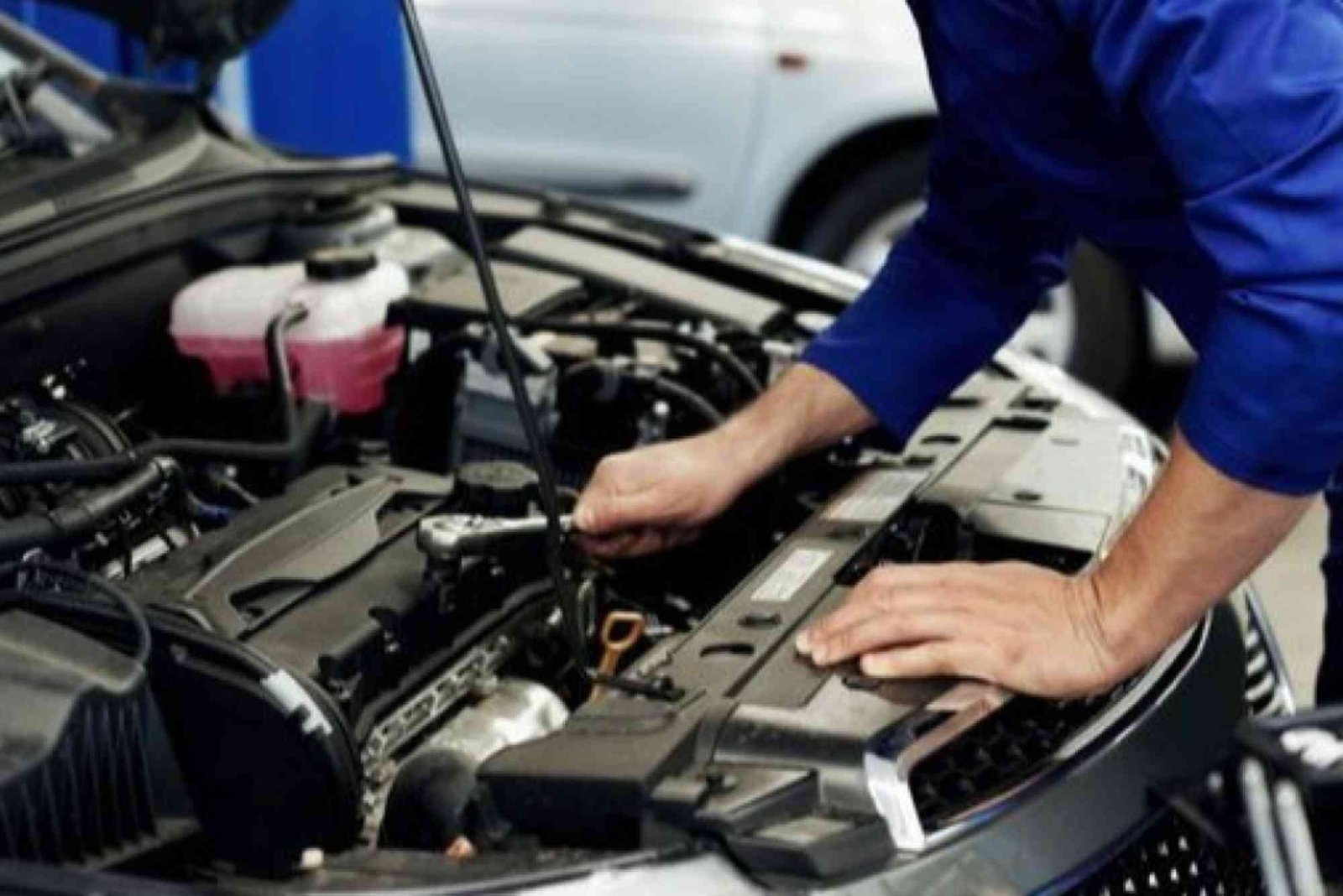
Owning a car is a long-term investment, and knowing how to maintain a car so it lasts for years can save you thousands in repairs. Many drivers focus only on fuel and appearance, but true longevity comes from consistent care and smart habits. A well-maintained car not only performs better but also retains its value and keeps you safe on the road. By following proven maintenance principles, you can extend your vehicle’s life and enjoy reliable performance year after year.
Why Proper Car Maintenance Matters
Understanding how to maintain a car so it lasts for years begins with recognizing why maintenance is important. Every vehicle has moving parts that wear over time. Regular care slows this wear and prevents minor issues from becoming major failures. Preventive maintenance also improves fuel efficiency and reduces unexpected breakdowns. Most importantly, it gives you confidence that your car will start and run smoothly whenever you need it.
Follow a Consistent Maintenance Schedule
A consistent service routine is the backbone of long-term vehicle health. Manufacturers design maintenance schedules based on real-world testing and engineering standards. Following these intervals ensures that fluids, filters, and components stay in optimal condition. When drivers ignore service timelines, engines and transmissions suffer unnecessary stress. Staying consistent is one of the simplest ways to apply how to maintain a car so it lasts for years in real life.
Engine Care for Long-Lasting Performance
Regular Oil Changes Are Essential
Engine oil lubricates internal components and reduces friction. Over time, oil degrades and collects contaminants. Delaying oil changes causes engine wear and overheating. Fresh oil keeps the engine clean and efficient, which is vital if you want your car to last for years. Always use the oil grade recommended by the manufacturer for best results.
Monitor Engine Temperature
An overheating engine shortens vehicle life quickly. Coolant regulates temperature and prevents corrosion inside the engine. Checking coolant levels regularly helps avoid sudden failures. If your temperature gauge rises unexpectedly, addressing it early can prevent permanent damage. This habit is often overlooked but is critical when learning how to maintain a car so it lasts for years.
Transmission and Drivetrain Health
The transmission is one of the most expensive parts to repair. Smooth shifting depends on clean transmission fluid. Over time, this fluid breaks down and loses its protective qualities. Periodic inspection and replacement keep gears operating smoothly. Gentle acceleration and avoiding sudden gear changes also reduce strain on the drivetrain. These habits significantly contribute to long-term durability.

Brake System Maintenance
A reliable brake system is essential for safety and longevity. Worn brake pads can damage rotors if ignored. Regular inspection ensures that braking components wear evenly. Clean brake fluid also prevents corrosion inside brake lines. When drivers maintain brakes properly, they protect both safety and vehicle lifespan.
Tire Care and Alignment
Tires are the only contact point between your car and the road. Proper tire pressure reduces uneven wear and improves handling. Underinflated tires increase fuel consumption and strain suspension components. Wheel alignment ensures that tires roll smoothly without pulling. These simple checks are practical examples of how to maintain a car so it lasts for years while improving driving comfort.
Suspension and Steering System Care
The suspension system absorbs shocks and keeps your ride stable. Worn shocks and bushings affect handling and cause uneven tire wear. Listening for unusual noises and addressing them early prevents larger issues. Smooth roads and careful driving over bumps also reduce suspension stress. This care adds years to your vehicle’s structural components.
Battery and Electrical System Maintenance
A healthy battery ensures reliable starts and stable electrical performance. Extreme temperatures and short trips can weaken battery life. Checking terminals for corrosion and testing voltage periodically helps avoid sudden failures. Replacing an aging battery before it dies prevents damage to alternators and electronics. Electrical health plays a bigger role in longevity than many drivers realize.
Fuel System Cleanliness
A clean fuel system improves engine efficiency and reduces deposits. Using quality fuel and replacing fuel filters as recommended keeps injectors functioning correctly. Occasional fuel system cleaning helps maintain smooth combustion. This approach supports engine longevity and reinforces how to maintain a car so it lasts for years through better performance.
Exterior Protection and Rust Prevention
The exterior is more than appearance. Dirt, salt, and moisture cause corrosion over time. Regular washing removes harmful contaminants from paint and underbody areas. Waxing creates a protective barrier that slows oxidation. Rust prevention is especially important in humid or coastal regions. Protecting the body preserves both value and structural integrity.
Interior Care and Comfort Preservation
Interior components also affect long-term satisfaction. Sun exposure fades upholstery and cracks dashboards. Using sunshades and cleaning surfaces regularly preserves materials. Maintaining the cabin keeps the driving experience enjoyable, even as the car ages. Comfort is an often-forgotten aspect of how to maintain a car so it lasts for years.
Smart Driving Habits Matter
Driving behavior has a direct impact on vehicle lifespan. Aggressive acceleration and hard braking increase wear on engines and brakes. Smooth driving allows components to operate within safe limits. Avoiding overloading the vehicle also protects suspension and tires. These habits cost nothing but deliver long-term benefits.
Seasonal Maintenance Awareness
Weather changes affect vehicle performance. Cold weather thickens fluids and stresses batteries. Hot weather increases cooling system demand. Preparing your car for seasonal conditions prevents sudden failures. Adjusting maintenance routines based on climate is a smart way to ensure year-round reliability.
Professional Inspections and Early Diagnosis
Even careful drivers benefit from professional inspections. Mechanics can spot early signs of wear that are easy to miss. Addressing minor issues early saves money and extends vehicle life. Regular diagnostics support informed decisions and reinforce best practices for long-term ownership.
Record Keeping and Maintenance History
Keeping service records helps track maintenance and identify patterns. Detailed records improve resale value and ensure nothing is overlooked. They also help technicians diagnose issues faster. Organized documentation is a simple but powerful tool for anyone serious about how to maintain a car so it lasts for years.
Make Your Car Last for Years
Learning how to maintain a car so it lasts for years is about consistency, awareness, and smart habits. Regular servicing, careful driving, and preventive care work together to extend vehicle life. A well-maintained car rewards you with reliability, safety, and lower ownership costs. Start applying these principles today and treat maintenance as an investment, not an expense. If you want your car to serve you for many years, the best time to begin proper care is now.
FAQs
How often should I service my car to make it last longer?
Most cars benefit from servicing every six months or based on mileage recommendations. Regular service ensures fluids, filters, and components stay in good condition, which directly supports long-term reliability.
Does gentle driving really extend car life?
Yes, smooth acceleration and braking reduce stress on engines, transmissions, and brakes. Gentle driving minimizes wear and helps your car perform efficiently for many years.
Is it worth maintaining an older car?
Maintaining an older car is often more cost-effective than replacing it. Proper care can keep an older vehicle reliable and safe while avoiding the expense of new car payments.
What maintenance mistake shortens car life the most?
Ignoring oil changes is one of the most damaging mistakes. Old oil causes internal engine wear and overheating, leading to expensive repairs or early engine failure.
Can regular washing really prevent long-term damage?
Yes, washing removes corrosive materials like salt and dirt. This prevents rust and paint damage, which protects the car’s structure and appearance over time.