Industrial properties are increasingly attracting attention from investors, developers, and businesses. Traditionally overlooked in favor of residential or commercial real estate, industrial spaces are now seen as essential assets. The rise of e-commerce, shifts in supply chain management, and evolving business needs have transformed these properties into highly sought-after investments. Understanding why industrial properties are gaining popularity can help investors, entrepreneurs, and decision-makers make informed choices.
The Rise of Industrial Property Demand
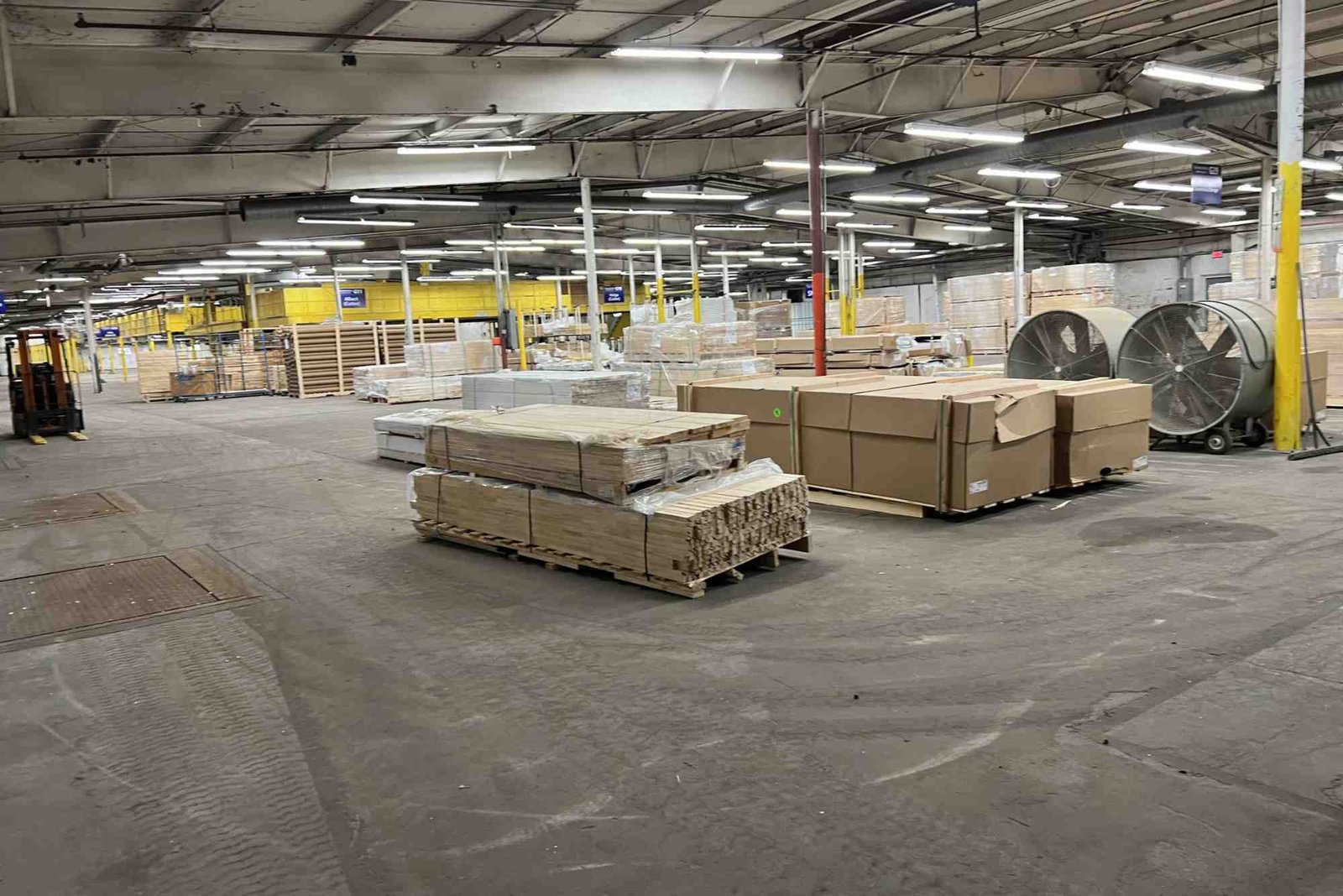
The demand for industrial properties is fueled by multiple economic and technological trends. Companies are prioritizing efficiency, requiring strategically located warehouses, distribution centers, and manufacturing facilities. With online shopping growing exponentially, businesses need more storage and fulfillment spaces to meet consumer expectations. This shift is particularly visible in urban and suburban areas where logistics hubs are essential to support fast delivery networks.
Industrial properties also appeal to investors because of their stability. Unlike residential rentals, which can fluctuate with market conditions, industrial leases are often long-term and linked to business performance. This stability provides a predictable income stream, making these properties attractive for portfolio diversification.
E-Commerce as a Key Driver
E-commerce has revolutionized the demand for industrial spaces. Online retailers require extensive warehouse and fulfillment centers to handle orders efficiently. This trend has accelerated during global events such as the COVID-19 pandemic, which increased online shopping dramatically. Industrial properties located near major transportation routes or urban centers offer strategic advantages, enabling faster delivery times and reduced operational costs.
Companies like Amazon, Alibaba, and regional e-commerce businesses are investing heavily in logistics networks. This expansion increases the value of industrial properties and drives competition among investors. Even smaller businesses are seeking smaller, flexible industrial units to store inventory closer to their customers.
Flexible Industrial Spaces
Modern industrial properties are no longer just large warehouses. Investors and developers are creating flexible spaces that cater to various business needs. This includes light manufacturing, cold storage, packaging, and last-mile distribution centers. Flexibility allows businesses to scale operations without relocating, enhancing operational efficiency.

Flexible industrial properties also accommodate technology-driven businesses. For instance, companies using automated systems or robotics benefit from spaces designed to handle such infrastructure. Investors recognize that adaptable spaces attract a wider range of tenants, making these properties more resilient and profitable over time.
Location and Connectivity
Location remains a critical factor in the popularity of industrial properties. Proximity to highways, ports, and airports significantly impacts operational efficiency. Industrial spaces near major urban centers are in higher demand due to their role in last-mile delivery. Businesses increasingly prioritize locations that reduce transit time, fuel costs, and environmental impact.
Connectivity also extends to technological infrastructure. Industrial properties with high-speed internet, advanced security systems, and smart building features are increasingly preferred. Such enhancements improve operational reliability and appeal to tech-driven tenants.
Sustainability and Green Initiatives
Environmental considerations are shaping industrial property development. Energy-efficient buildings, solar panels, and sustainable materials are becoming standard expectations. Businesses aim to reduce their carbon footprint, and industrial landlords are responding by offering eco-friendly facilities.
Sustainable industrial properties not only appeal to environmentally conscious tenants but also enhance long-term property value. Regulatory incentives, lower operational costs, and positive brand perception encourage the adoption of green initiatives. Investors increasingly view sustainability as a key differentiator when evaluating industrial properties.
Technological Integration in Industrial Properties
Technology is transforming industrial operations, and properties that support this integration are gaining popularity. Automated storage systems, IoT devices, and AI-driven logistics solutions require specialized infrastructure. Industrial spaces equipped with these technologies enable tenants to optimize workflows, reduce errors, and improve inventory management.
Investors recognize that tech-ready industrial properties attract premium tenants. By offering advanced solutions, these properties achieve higher occupancy rates and long-term lease stability. Technology also allows for predictive maintenance and improved energy management, which can reduce costs and increase profitability.
Investment Opportunities and Returns
Industrial properties provide attractive returns due to stable rental income and strong market demand. Unlike speculative residential investments, industrial properties benefit from predictable cash flow. Long-term leases with reputable tenants reduce vacancy risks and provide financial security for investors.
The potential for value appreciation is also significant. Properties in strategic locations or with flexible, modern features often experience faster growth in value compared to traditional commercial properties. Investors can capitalize on market trends, tenant needs, and technological enhancements to maximize returns.
Urban Industrial Trends
Urban industrial properties are increasingly popular due to the rise of city-centric businesses. Last-mile delivery, micro-fulfillment centers, and small-scale manufacturing units are emerging within metropolitan areas. These properties are smaller but strategically located, enabling businesses to serve customers quickly.
Urban industrial development also supports mixed-use strategies. Properties can combine logistics, office, and retail functions to create integrated hubs. Investors find these multi-functional properties attractive because they cater to diverse tenant requirements, reducing risk and increasing rental potential.
Challenges to Consider
Despite their advantages, industrial properties come with challenges. Zoning regulations, infrastructure limitations, and environmental compliance requirements can affect development and operational costs. Investors must carefully evaluate location, tenant demand, and property specifications before making decisions.
Maintenance costs and specialized equipment needs can also be higher than standard commercial properties. However, these challenges are manageable with proper planning and investment in modern infrastructure. Understanding local market dynamics and regulatory requirements is crucial for long-term success.
Capitalizing on Industrial Property Trends
Industrial properties are becoming increasingly popular due to e-commerce growth, technological advancements, and flexible business needs. Investors benefit from stable income, strategic locations, and opportunities for value appreciation. Businesses gain access to modern, adaptable spaces that improve operational efficiency and customer satisfaction.
To capitalize on these trends, investors should focus on location, flexibility, sustainability, and technological readiness. Understanding market demands and anticipating future needs ensures long-term profitability. Industrial properties are no longer niche investments—they are essential components of modern real estate portfolios.
Whether you are an investor, developer, or business owner, exploring industrial properties can unlock new opportunities. Consider evaluating your options today and positioning yourself in this growing market.
Living in a modern residential complex offers numerous advantages, from advanced security and convenient amenities to vibrant community spaces. Discover how these thoughtfully designed neighborhoods enhance lifestyle, comfort, and social interaction. Explore the full guide on the benefits of living in a modern residential complex here.
FAQs
What makes industrial properties a good investment?
Industrial properties offer stable income, long-term leases, and increasing demand driven by e-commerce and logistics needs.
How does e-commerce impact industrial property demand?
E-commerce increases the need for warehouses and fulfillment centers near urban areas for faster delivery and cost efficiency.
Are urban industrial properties profitable?
Yes, urban industrial properties support last-mile delivery, small-scale manufacturing, and mixed-use developments, offering strong returns.
What trends are shaping modern industrial properties?
Technology integration, sustainability, flexible layouts, and strategic location are key trends influencing industrial property demand.
Can small investors enter the industrial property market?
Yes, smaller units and shared industrial spaces allow individual investors to participate without large capital requirements.