Introduction
In recent years, the concept of co-living housing has emerged as a revolutionary approach to urban living. With rising property prices, urban migration, and changing social dynamics, traditional housing models no longer fully meet the needs of young professionals, digital nomads, and small families. Co-living housing provides an innovative solution by combining private living spaces with shared communal areas, promoting both affordability and a sense of community.
This article explores the development of co-living housing, its historical roots, benefits, challenges, and the trends that are shaping its future. We will also discuss practical considerations for anyone interested in joining a co-living community.
The Evolution of Co-Living Housing
Historical Background
Co-living is not entirely a new concept. Its roots can be traced back to communal living arrangements such as boarding houses, student dormitories, and intentional communities. However, modern co-living spaces differ by emphasizing flexible leases, shared amenities, and integrated social programming.
- Early Forms: In the early 20th century, boarding houses provided affordable housing with communal kitchens and social spaces.
- Student Dormitories: College dorms offered a template for communal living, combining private rooms with shared areas for study and socialization.
- Intentional Communities: Movements in the 1960s and 1970s, such as eco-villages and cooperative housing, focused on shared resources and sustainability.
Modern Co-Living
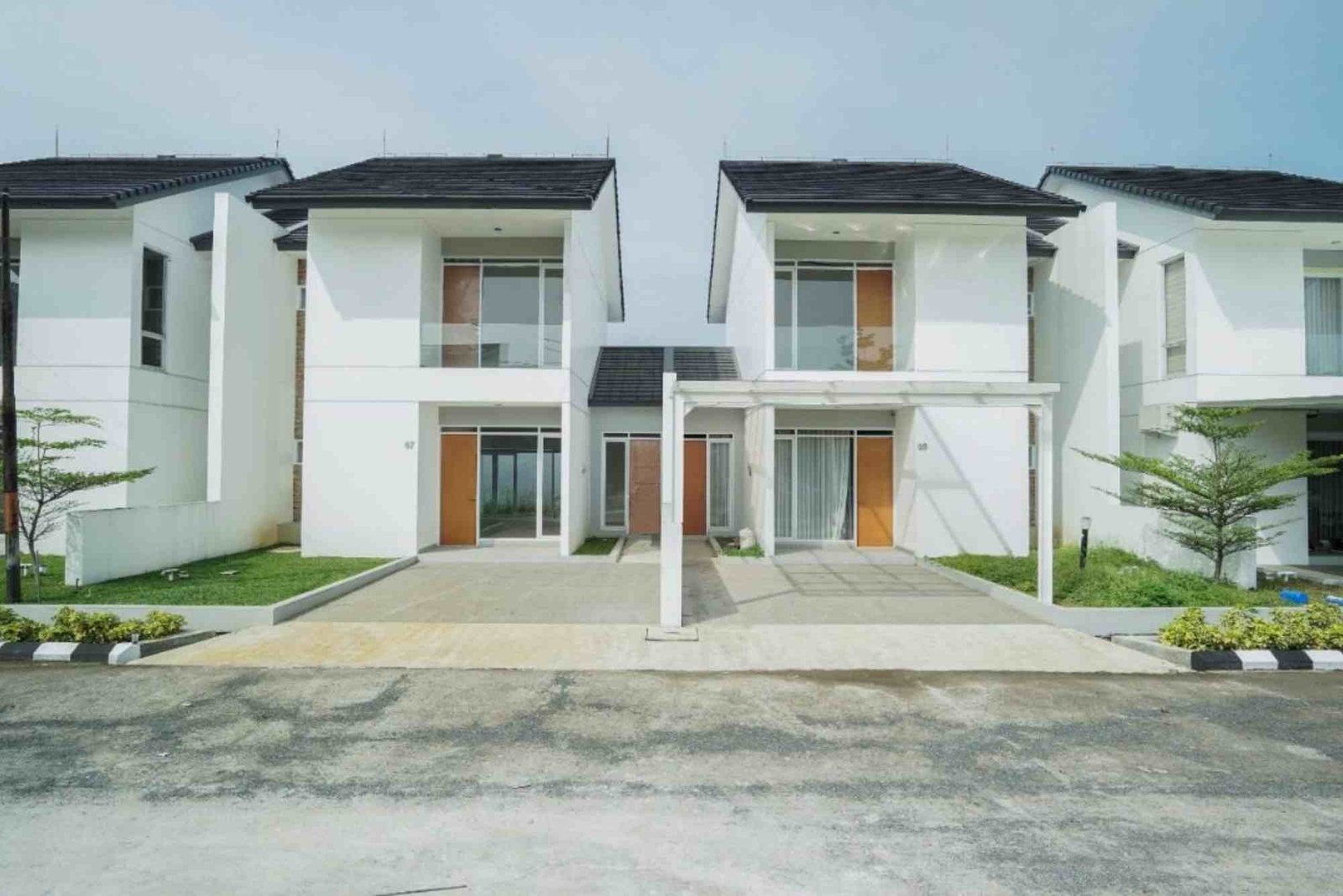
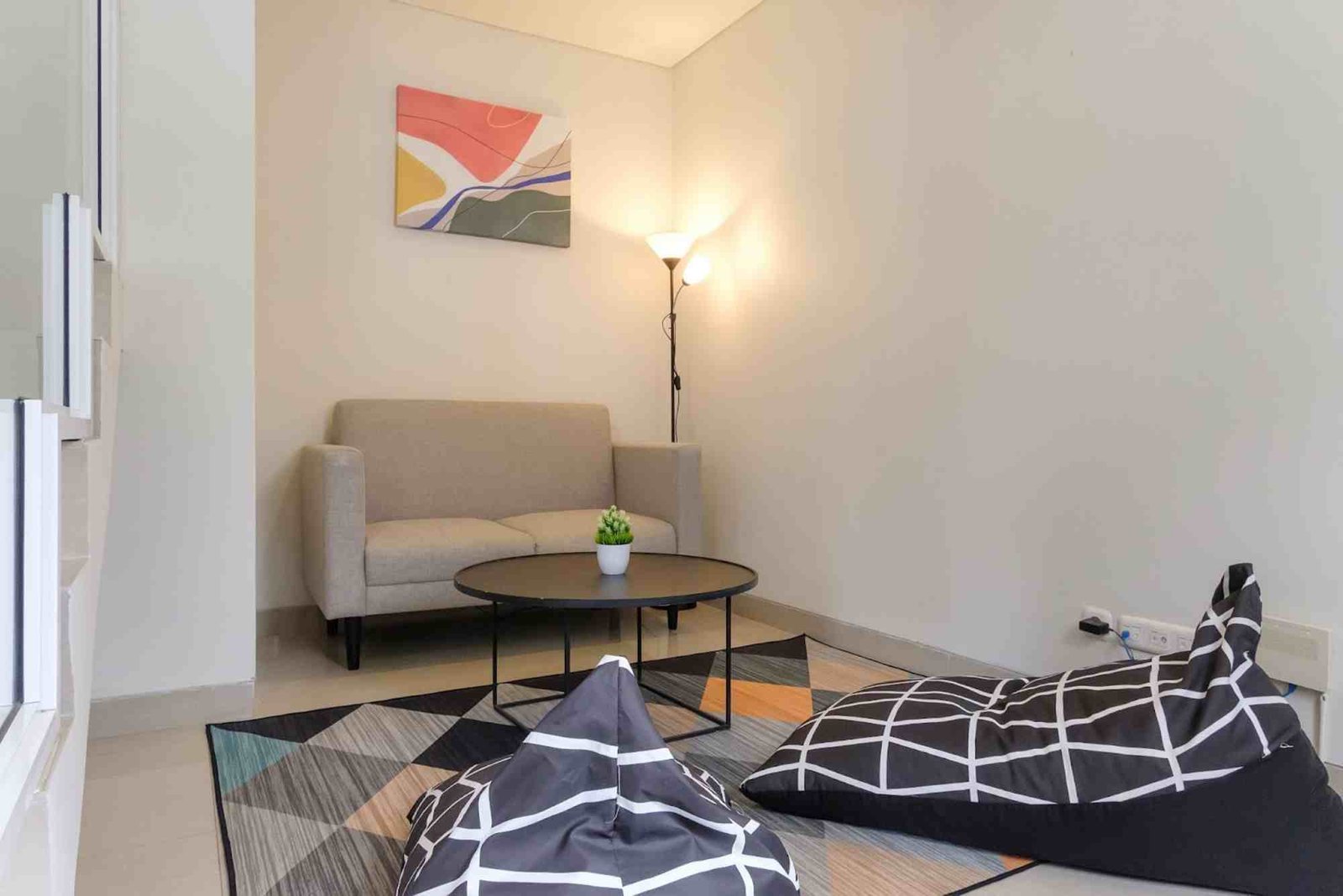
Modern co-living integrates these historical models with contemporary needs. Developers design spaces with private bedrooms and bathrooms, but shared kitchens, lounges, gyms, and coworking areas. Technology also plays a role, with apps to manage bookings, rent payments, and community events, creating a seamless living experience.
Key Features of Co-Living Housing
Shared Amenities
Co-living housing often includes shared amenities that enhance convenience and foster community. These can include:
- Communal Kitchens and Dining Areas: Encouraging residents to socialize over meals.
- Coworking Spaces: Catering to remote workers and freelancers.
- Fitness Centers and Wellness Rooms: Promoting a healthy lifestyle.
- Event Spaces: For workshops, movie nights, or community gatherings.
Flexible Leasing
One of the defining characteristics of co-living is flexible rental arrangements. Unlike traditional apartments that require year-long leases, co-living spaces may offer monthly or short-term leases, accommodating professionals who frequently relocate or work on projects in different cities.

Community and Social Engagement
Unlike traditional housing, co-living prioritizes social interaction. Organizing events, networking opportunities, and shared responsibilities encourages residents to form meaningful connections, combatting the isolation often associated with urban life.
Benefits of Co-Living Housing
Affordability
Co-living often reduces the cost of living compared to traditional apartments. Sharing utilities, amenities, and communal services makes it an attractive option for young professionals and students in expensive urban centers.
Networking and Collaboration
Residents of co-living spaces often benefit from diverse networks, ranging from professional contacts to personal friendships. Many spaces attract creative individuals and entrepreneurs, fostering collaboration and innovation.
Sustainability
Shared resources mean reduced consumption and waste. Co-living communities can incorporate energy-efficient appliances, shared transportation options, and sustainable building materials, making them environmentally friendly.
Flexibility and Convenience
With services like cleaning, maintenance, and furnished rooms included, co-living offers a hassle-free experience, ideal for those seeking minimal responsibilities while living in a city.
Challenges and Considerations
While co-living housing offers numerous advantages, it is not without challenges:
Privacy Concerns
Living in a shared environment may compromise personal space and privacy, which can be difficult for individuals who prefer solitude.
Compatibility
The success of a co-living arrangement often depends on finding like-minded roommates. Conflicts may arise if residents have different lifestyles, work schedules, or habits.
Legal and Regulatory Issues
Local laws and zoning regulations can impact co-living development, particularly in areas where short-term leases or shared housing arrangements are restricted.
Cost Transparency
While co-living can be cost-effective, some providers charge premium prices for convenience and community features, which may not always be affordable for all residents.
Future Trends in Co-Living Housing
Expansion in Urban Centers
As cities grow and property prices increase, co-living spaces are becoming a mainstream housing solution, especially in Asia, Europe, and North America.
Integration with Technology
Smart home technologies, app-based management, and AI-powered community tools are enhancing the co-living experience, improving security, convenience, and social engagement.
Niche Co-Living Communities
Developers are exploring specialized co-living models, such as:
- Senior Co-Living: Housing solutions for older adults seeking companionship and support.
- Student-Focused Co-Living: Affordable, community-driven spaces near universities.
- Professional Hubs: Targeting entrepreneurs, remote workers, and digital nomads.
Sustainability and Green Design
Future co-living spaces will increasingly focus on sustainability, with eco-friendly construction, shared energy systems, and programs promoting low-carbon lifestyles.
How to Choose the Right Co-Living Space
Location Matters
Urban accessibility, proximity to work, public transport, and social amenities should guide your decision.
Evaluate the Community
Research resident demographics, social culture, and community events. A good fit ensures a positive experience.
Check Lease Terms and Costs
Understand the lease flexibility, included utilities, maintenance fees, and any additional service charges.
Inspect Amenities and Safety
Visit the space to assess cleanliness, security features, and the quality of shared facilities.
The development of co-living housing represents a major shift in urban living, providing affordability, community, and flexibility. By combining private and shared spaces, modern co-living addresses the challenges of rising costs and urban isolation. As this trend continues to grow, it is likely to reshape how cities accommodate residents, especially young professionals, students, and remote workers.
FAQs
What is co-living housing?
Co-living housing is a modern living arrangement where individuals have private rooms but share common spaces and amenities, promoting affordability and social interaction.
Who is co-living suitable for?
Co-living is ideal for young professionals, students, digital nomads, and anyone seeking flexible housing in urban areas with a sense of community.
How much does co-living cost?
Costs vary depending on location, amenities, and lease terms. While often cheaper than traditional apartments, some premium spaces may be more expensive due to added services.
Are co-living spaces safe?
Reputable co-living providers implement security measures, such as keycard access, CCTV, and staff presence, to ensure resident safety.
Can I stay in a co-living space long-term?
Yes, many co-living spaces offer flexible lease terms ranging from one month to multiple years, catering to both short-term and long-term residents.
Guide to Buying Land Safely – Buying land can be rewarding, but it requires caution. Always verify the legal documents, check for disputes, and confirm land boundaries. Research zoning laws and access to utilities, and consider hiring a trusted lawyer. By taking these steps, you can secure your investment and avoid future problems.