
Introduction
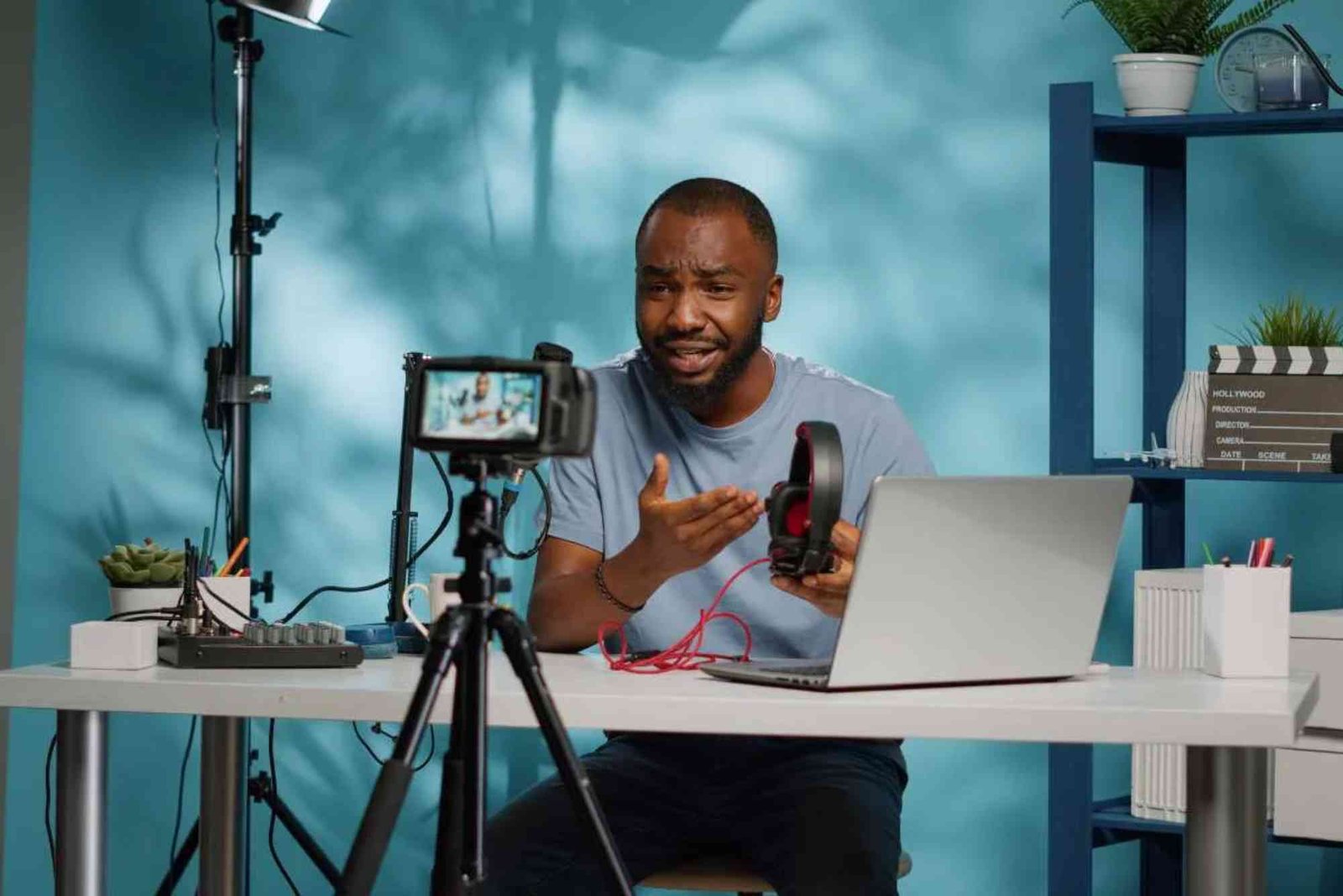
In today’s digital era, the entertainment industry has evolved far beyond traditional media. Social media platforms have introduced a new class of content creators known as influencers, individuals who command large, engaged audiences online. The role of influencers in the entertainment industry is significant, shaping trends, driving engagement, and even redefining how audiences consume content. From promoting films and music to collaborating with celebrities, influencers have become key players in marketing, publicity, and audience engagement. Understanding their influence provides insight into the modern entertainment landscape.
How Influencers Have Transformed the Entertainment Industry
Expanding Audience Reach
Influencers have the power to reach millions of followers globally, often across multiple social media platforms. Unlike traditional advertising, which relies on networks or print media, influencer content reaches audiences directly and organically. This reach enables movies, shows, and music releases to gain visibility in ways that were previously impossible. Fans often trust influencer recommendations more than traditional promotions, creating authentic connections that brands and studios capitalize on.
Driving Engagement and Interaction
The role of influencers in the entertainment industry extends beyond mere promotion. They actively engage audiences through comments, live streams, polls, and Q&A sessions. This interaction fosters a sense of community and excitement around upcoming projects. For instance, influencers reviewing a new movie or discussing a music album can spark conversations that extend across platforms. Their followers feel personally involved in the entertainment experience, increasing anticipation and emotional investment in the content.
Redefining Celebrity Culture
Influencers themselves have become celebrities, sometimes rivaling traditional actors, musicians, and media personalities in fame and influence. This shift has blurred the lines between fans and creators. Established celebrities now collaborate with influencers to remain relevant and reach younger, digitally native audiences. In turn, influencers gain credibility and exposure by associating with traditional entertainment icons. This symbiotic relationship has reshaped celebrity culture, making fame more interactive and accessible.
Influencers as Marketing Catalysts
Film and Television Promotions
Studios increasingly rely on influencers to market movies and TV shows. Influencers often receive early access to trailers, exclusive screenings, or merchandise, which they then share with their audiences. This strategy creates organic buzz and word-of-mouth promotion. Influencer marketing campaigns often generate measurable results, including increased ticket sales, streaming subscriptions, and social media engagement.
Music and Album Launches
Musicians collaborate with influencers to promote new singles, albums, or tours. Influencers may create content featuring the music, such as dance challenges, reaction videos, or lifestyle integrations. These campaigns often go viral, extending the reach of the music beyond traditional channels like radio or music television. The role of influencers in the entertainment industry, particularly in music, demonstrates the shift toward audience-driven discovery rather than relying solely on conventional media.

Brand Partnerships and Sponsorships
Entertainment and lifestyle brands increasingly leverage influencers to promote products or services. From fashion collaborations with actors to exclusive endorsements of streaming platforms, influencer marketing provides a bridge between entertainment content and commercial opportunities. Audiences perceive influencer promotions as authentic endorsements, which enhances brand credibility and engagement.
Influencer Collaboration with Traditional Media
Integration in TV Shows and Films
Some TV shows and films actively integrate influencers into their marketing campaigns or even storylines. Influencers may appear as guest stars, co-host events, or produce behind-the-scenes content that complements the main production. This approach appeals to digital-first audiences and helps traditional media remain relevant in an increasingly online-centric entertainment landscape.
Cross-Promotion Across Platforms
Cross-platform promotion is another way influencers contribute to the entertainment industry. For example, an influencer might post about a new film on Instagram, create reaction content on YouTube, and host discussions on TikTok. This multi-platform presence ensures that promotional content reaches diverse audience segments and maximizes visibility. Studios and entertainment brands recognize that traditional campaigns alone cannot compete with the reach and engagement influencers provide.
Measuring Influencer Impact
Engagement Metrics
Likes, shares, comments, and video views are common metrics used to assess influencer impact. High engagement rates often correlate with higher audience trust and influence over purchasing or viewing decisions. Influencer campaigns are tracked meticulously, as studios and brands seek tangible returns on investment.
Conversion and Reach
Beyond engagement, conversion metrics like ticket sales, merchandise purchases, or streaming subscriptions indicate real-world impact. Influencers often provide unique promotional codes or affiliate links to quantify effectiveness. Their role in the entertainment industry is no longer speculative; data-driven insights confirm that influencer marketing generates measurable results for both traditional media and digital entertainment.
Cultural Influence
Not all results are easily measured. Influencers shape culture by creating trends, introducing audiences to new genres, or influencing public perception of celebrities and content. Their impact extends beyond numbers, affecting the way audiences experience entertainment and interact with media in everyday life.
Challenges and Criticisms
Oversaturation of Influencer Content
One challenge is content oversaturation. With countless influencers promoting entertainment products, audiences may experience fatigue, reducing the effectiveness of campaigns. Studios must carefully select influencers whose content aligns with the project to maintain authenticity and engagement.
Authenticity Concerns
Authenticity remains a critical issue. Audiences can detect when promotions feel forced or insincere. Influencers who maintain credibility and a genuine connection with followers often achieve better results than those relying solely on sponsorship deals. Balancing commercial interests with audience trust is essential for long-term success.
Navigating Controversies
Influencers are public figures subject to scrutiny. Controversies or scandals involving influencers can negatively impact the entertainment projects they promote. Brands and studios must assess reputational risks and ensure collaborations align with their values and audience expectations.
The Future of Influencers in Entertainment
Expansion into Emerging Technologies
Influencers are already exploring virtual reality, augmented reality, and AI-driven content to create immersive experiences. These technologies allow audiences to interact with entertainment in innovative ways, from virtual meet-and-greets to interactive storytelling. The role of influencers in the entertainment industry will likely expand as these technologies become mainstream.
Long-Term Partnerships
Rather than one-off promotions, long-term partnerships between influencers and entertainment brands are becoming common. Consistent collaborations foster deeper audience loyalty, enhance credibility, and create ongoing promotional opportunities. Studios increasingly view influencers as strategic partners rather than temporary marketing tools.
Democratization of Fame
The rise of influencers has democratized fame, giving talented creators the ability to shape entertainment trends without traditional gatekeepers. This shift encourages diversity and innovation in media production. Independent creators now compete alongside major studios, enriching the entertainment landscape with fresh perspectives and voices.
The role of influencers in the entertainment industry is transformative. From expanding reach and driving engagement to shaping cultural trends, influencers have become essential partners for studios, musicians, and brands. Their impact is measurable, visible, and increasingly intertwined with traditional media. As the industry continues to evolve, influencers will play a key role in how audiences discover, interact with, and experience entertainment. For entertainment professionals and brands, leveraging influencer partnerships thoughtfully is not just an opportunity but a necessity.
Explore the potential of influencer collaborations today to connect with audiences in innovative ways and drive meaningful engagement for your entertainment projects.
The Southeast Asian film industry has grown rapidly, blending rich cultural traditions with modern storytelling. Countries like Indonesia, Thailand, and the Philippines are producing films that captivate both local and international audiences. With increasing investments, film festivals, and streaming platforms, the region’s cinema is gaining global recognition. Explore more about this exciting growth in The Development of the Southeast Asian Film Industry
(FAQ)
What is the role of influencers in promoting movies?
Influencers generate awareness and excitement for films by sharing trailers, reviews, and behind-the-scenes content with their followers. Their recommendations often reach audiences more organically than traditional ads.
How do influencers impact music promotion?
Influencers create viral challenges, reaction videos, and lifestyle content featuring music. Their reach and engagement help artists connect with audiences globally, boosting streams and album sales.
Why are influencers considered celebrities now?
With large, loyal followings and significant cultural influence, many influencers rival traditional celebrities in fame. Their reach, engagement, and collaborations elevate their status.
Are influencer campaigns measurable?
Yes. Engagement rates, conversion metrics, and cultural impact are used to measure effectiveness. Studios and brands track results through views, clicks, sales, and audience interaction.
Can influencer marketing replace traditional advertising in entertainment?
While influencers are highly effective, they complement rather than replace traditional marketing. A balanced strategy leveraging both approaches maximizes reach and engagement.