
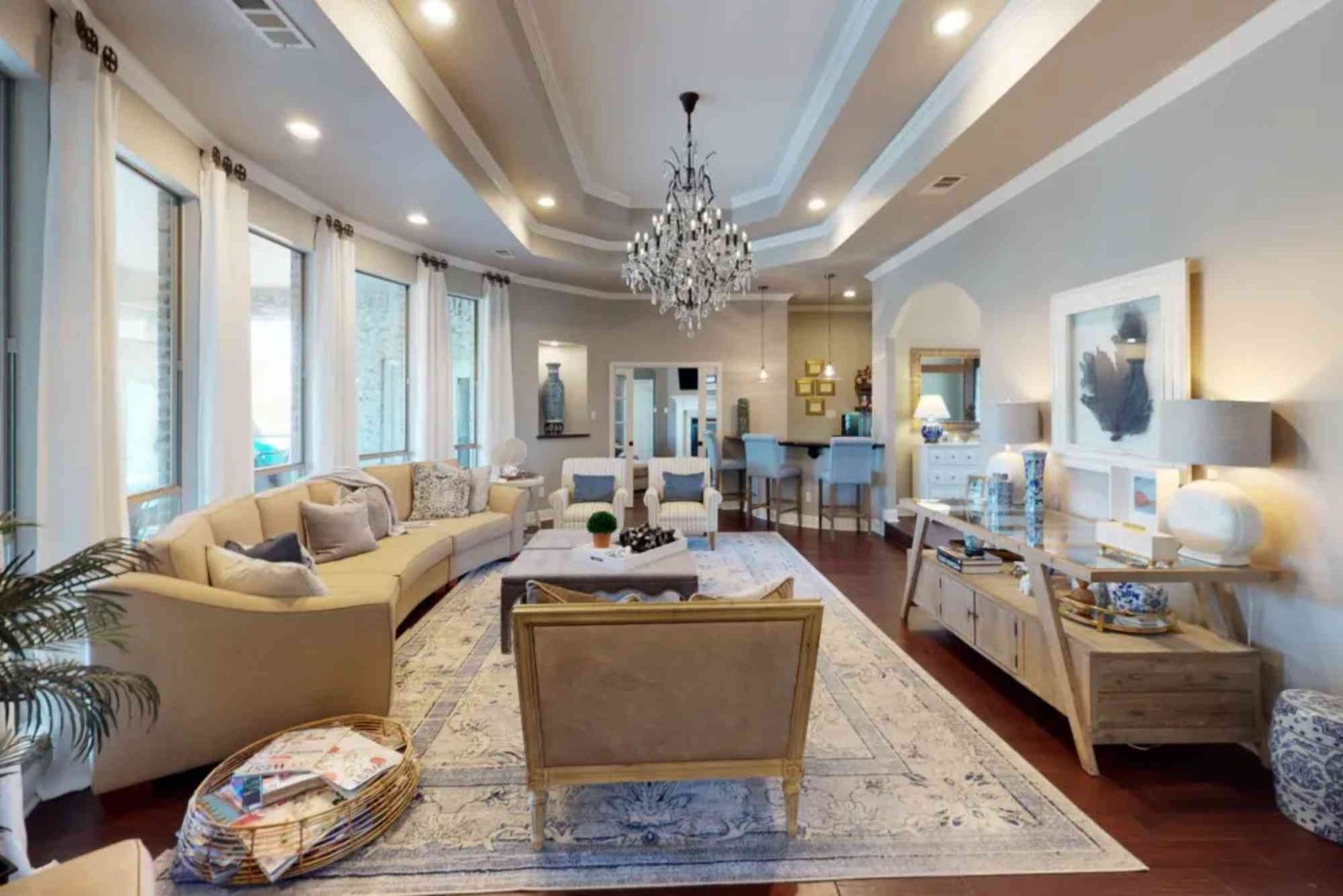
Introduction
Choosing the right home furniture is more than just picking pieces that look good. Furniture defines the style, comfort, and functionality of your living space. Every home is unique, and selecting furniture requires careful thought to ensure it complements your lifestyle, décor, and budget. With the right approach, you can create a home that is both inviting and practical. Understanding your needs, space, and personal style is key to making smart furniture choices.
Understand Your Needs and Lifestyle
Before buying furniture, consider how you and your family will use each room. If you host gatherings often, you may need larger seating arrangements. Families with children might prioritize durable, easy-to-clean furniture, while those who enjoy quiet evenings might prefer comfortable sofas and reading chairs. Your lifestyle directly affects the materials, sizes, and styles suitable for your home. Taking time to analyze your daily routines can prevent unnecessary purchases and ensure your furniture supports your lifestyle seamlessly.
Measure Your Space Accurately
One of the most common mistakes in furniture shopping is ignoring room dimensions. Measure every wall, corner, and doorway to understand what will fit without overcrowding. It is important to leave space for movement and ensure furniture doesn’t obstruct windows or doors. Visualize the layout using sketches or digital room planners. Furniture that is too large can overwhelm a space, while pieces that are too small can feel disconnected. Accurate measurements allow you to choose items that are functional and aesthetically pleasing.
Prioritize Quality and Durability
Investing in high-quality furniture ensures longevity and comfort. Examine the materials, joinery, and finishes carefully. Solid wood furniture often lasts longer than particleboard, and pieces with sturdy frames provide better support. Upholstery should be durable and resistant to stains or wear, especially in high-traffic areas. While it may be tempting to buy cheaper alternatives, quality furniture saves money in the long term by reducing replacements and repairs. A well-made piece can also become a timeless part of your home décor.
Choose a Cohesive Style
Selecting furniture that aligns with your home’s style creates harmony and visual appeal. Decide whether you prefer modern, traditional, rustic, or eclectic designs. Mixing styles can work if done thoughtfully, but a cohesive approach makes your home look intentional. Consider the color palette, textures, and finishes when choosing furniture to maintain balance across rooms. A unified style not only enhances aesthetics but also improves the overall ambiance of your living space, making it more inviting and comfortable.
Focus on Comfort
Furniture should not only look good but also feel comfortable. Sit on chairs, sofas, and beds before purchasing to test support and ergonomics. Comfort varies depending on personal preference, so it is important to choose furniture that matches your body type and daily needs. For example, a sofa might look luxurious but could be too soft for prolonged seating. Similarly, dining chairs should offer proper back support. Investing in comfortable furniture ensures your home remains a place of relaxation and enjoyment.

Balance Functionality with Aesthetics
Functional furniture enhances your daily life while maintaining visual appeal. Consider multipurpose pieces like storage beds, extendable dining tables, or ottomans with hidden compartments. Such items help you maximize space without compromising style. Functionality is especially important in smaller homes where efficient use of space is crucial. Furniture should solve practical problems while contributing to the overall design, creating a home that is both organized and stylish.
Consider Color and Material
The color and material of furniture significantly influence the room’s mood. Lighter colors can make small spaces appear larger, while darker shades add warmth and coziness. Similarly, materials like leather, wood, metal, and fabric create different textures and vibes. Leather offers sophistication, wood adds warmth, and metal introduces a modern touch. Choose materials that are easy to maintain and match your lifestyle. Coordinating colors and materials across furniture pieces ensures a balanced and inviting environment.
Think Long-Term and Versatile
Furniture should adapt to your evolving needs. Opt for versatile pieces that work in multiple rooms or can be rearranged easily. Timeless designs prevent your home from feeling outdated as trends change. Avoid overly trendy furniture unless you plan to replace it often. A well-chosen piece remains relevant for years, providing both practicality and style. Thinking long-term helps you make investments that are functional, stylish, and sustainable, reducing waste and unnecessary purchases.
Plan Around Key Pieces
Identify the key furniture items for each room, such as sofas, beds, or dining tables, and build your design around them. These foundational pieces define the layout, style, and color scheme. Once key items are selected, adding complementary furniture becomes easier and more cohesive. This approach prevents mismatched pieces and creates a balanced, well-designed space. By focusing on core items first, you can make strategic choices for secondary furniture that enhances the room rather than cluttering it.
Don’t Ignore Lighting and Accessories
Furniture interacts with lighting and décor, affecting the overall feel of a room. Natural light, lamps, and ceiling fixtures influence how colors and textures appear. Accessories like rugs, cushions, and wall art complement furniture and add personality. Consider how furniture placement affects light flow and room brightness. A well-lit space with carefully chosen furniture and accessories creates an inviting atmosphere. Paying attention to these details ensures your home is visually appealing and functional at all times.
Budget Wisely
Set a realistic budget before shopping to guide your choices and prevent overspending. High-quality furniture can be an investment, but there are options for every price range. Allocate more for key pieces and consider more affordable alternatives for secondary items. Comparing prices, materials, and brands helps you find furniture that fits both your budget and your style. Smart budgeting allows you to prioritize quality and durability while creating a stylish home without financial strain.
Trust Your Instincts
Ultimately, choosing furniture is a personal decision. Trust your instincts and select pieces that resonate with your taste and lifestyle. Trends can inspire, but your home should reflect your personality and needs. If a piece feels right, it likely complements your space. Personal satisfaction is key to a home that feels comfortable and welcoming. Your intuition helps you make choices that balance style, function, and comfort, resulting in a space you love.
Selecting the right home furniture requires careful planning, consideration, and patience. By understanding your needs, measuring your space, prioritizing quality, and focusing on comfort, you can create a home that is functional, stylish, and inviting. Balancing aesthetics with practicality ensures every piece contributes meaningfully to your living space. With these tips for choosing the right home furniture, you can transform your house into a home that reflects your personality and lifestyle. Take the time to plan thoughtfully, and your furniture will serve you beautifully for years to come. Start today by evaluating your rooms, identifying key pieces, and envisioning the style and comfort you desire. Your ideal home is within reach.
The trend of vertical housing development is reshaping urban living, offering high-rise apartments and mixed-use towers to address population growth and limited land. These developments maximize space, provide modern amenities, and create vibrant communities in city centers. With sustainability and smart design at the forefront, vertical housing is becoming a practical and stylish solution for contemporary urban lifestyles.
FAQs
How do I choose furniture for a small space?
Focus on multifunctional pieces and measure carefully. Light colors and slim designs create a sense of openness.
What is the most durable furniture material?
Solid wood and high-quality metal frames are highly durable, while fabrics with stain resistance offer long-term usability.
How do I make my furniture match my décor?
Select a consistent color palette and mix textures carefully. Cohesion in style and material creates harmony.
Should comfort or style come first?
Both are important, but comfort should never be compromised, especially for sofas, chairs, and beds used daily.
How can I budget for high-quality furniture?
Prioritize key pieces and gradually invest in secondary items. Compare brands and consider second-hand quality options.
Can I mix furniture styles?
Yes, mixing styles can work if done intentionally. Balance modern and traditional pieces to maintain harmony.