
Introduction
Owning a car is not just about driving from one place to another. A car represents a significant investment, and without proper care, it can lose value, efficiency, and reliability over time. Learning how to maintain a car so it lasts for years is essential not only for saving money but also for ensuring your safety and comfort. The good news is that with a few simple habits and regular maintenance routines, you can extend your vehicle’s life dramatically.
Maintaining a car goes beyond occasional washing or filling up fuel. It involves understanding your vehicle’s needs, from the engine and transmission to tires and interior. By adopting proactive care, you can prevent costly repairs and enjoy a smoother driving experience.
Regular Engine Maintenance
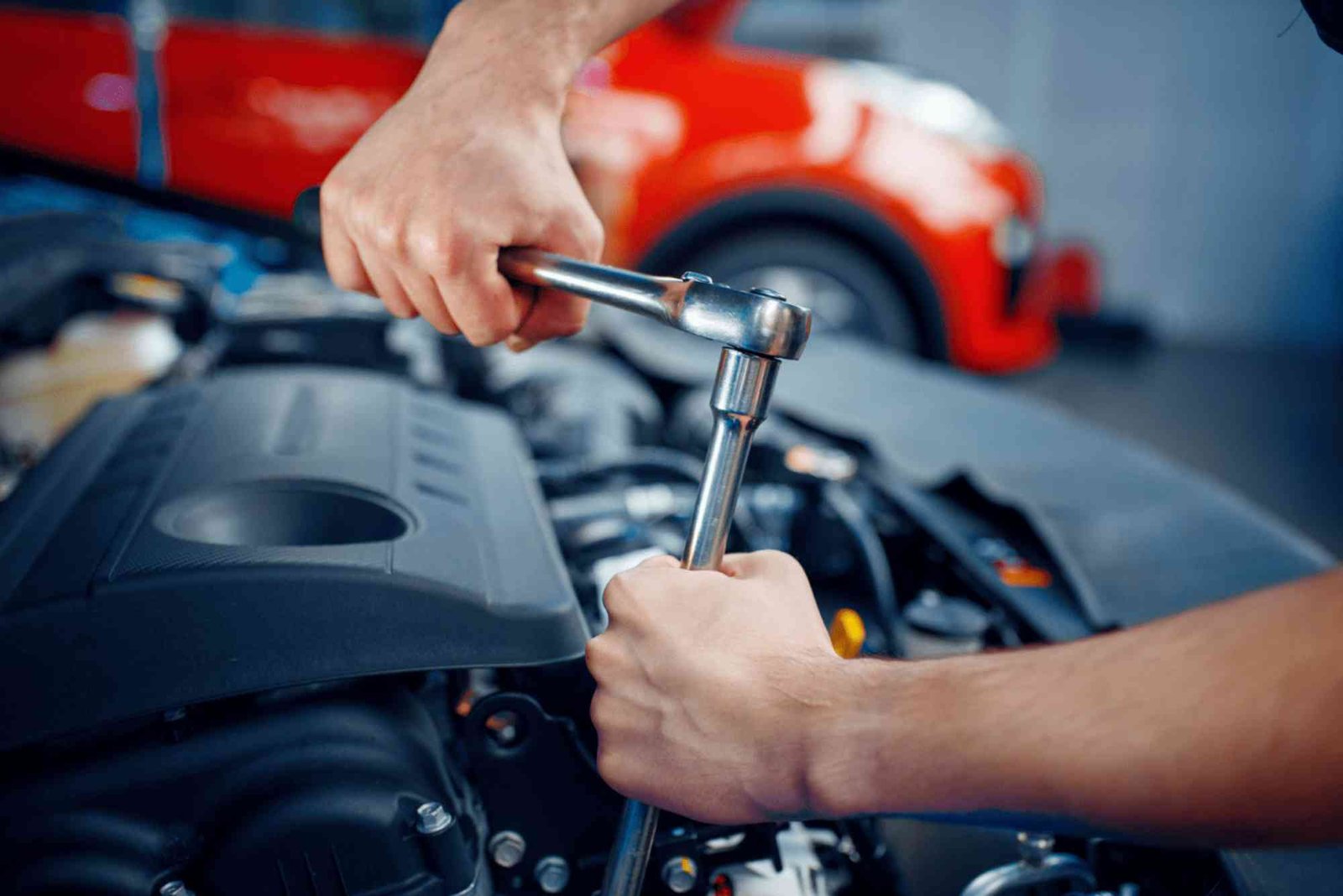
The engine is the heart of your car, and keeping it in top condition is crucial for longevity. One of the simplest yet most effective practices is regular oil changes. Engine oil lubricates moving parts, reduces friction, and prevents overheating. Neglecting oil changes can lead to serious engine damage. Always refer to your manufacturer’s recommendations for oil type and change intervals.
Checking the coolant system is equally important. Coolant prevents the engine from overheating, especially during long drives or hot weather. Ensure the coolant level is adequate and flush the system periodically. Additionally, inspect belts and hoses for wear, cracks, or leaks, as these can lead to sudden engine failures if ignored.
Spark plugs and air filters also play a significant role in engine health. Clean air filters improve fuel efficiency and reduce engine strain, while well-maintained spark plugs ensure smooth ignition and consistent performance. Replacing them at recommended intervals can prevent misfires and improve fuel economy.
Transmission Care
Transmission problems can be costly, making it vital to understand how to maintain your car’s transmission system. Regular transmission fluid checks and changes are essential. Transmission fluid lubricates gears and ensures smooth shifting. Over time, fluid can degrade, causing wear and overheating. Consult your owner’s manual for the correct type and schedule.

Driving habits also affect transmission life. Avoid sudden acceleration or harsh braking, as these can strain the transmission. If you notice unusual noises, delayed shifting, or fluid leaks, address them promptly to prevent severe damage.
Tire Maintenance
Tires are the only point of contact between your car and the road, making their maintenance critical. Check tire pressure regularly, ideally once a month and before long trips. Properly inflated tires improve fuel efficiency, handling, and safety. Uneven tire pressure can cause premature wear and reduce traction.
Rotating tires every 5,000 to 8,000 miles ensures even wear, extending tire life. Balance and alignment checks prevent vibrations and uneven tread wear. Inspect tires for cracks, bulges, or punctures to avoid sudden blowouts. Choosing the right tires for your car’s specifications and driving conditions is also essential.
Brake System Checks
Brakes are vital for safety, and maintaining them can prevent accidents and costly repairs. Regularly check brake pads for thickness and wear. Worn pads can damage rotors, increasing repair costs. Brake fluid should also be checked and replaced periodically. Moisture and contaminants in old brake fluid can reduce braking efficiency.
Listen for unusual noises, such as squeaking or grinding, which can indicate worn components. Timely inspection and replacement of brake parts ensure safe and reliable stopping power, making them an integral part of maintaining a car so it lasts for years.
Battery and Electrical System
A car’s electrical system powers essential components, from the engine to interior electronics. The battery is particularly sensitive and requires regular attention. Check battery terminals for corrosion and clean them if necessary. Ensure the battery holds a proper charge and replace it every 3 to 5 years, depending on use and climate.
Electrical problems can arise from faulty wiring, blown fuses, or damaged alternators. If your vehicle experiences dim lights, slow engine cranking, or warning signals on the dashboard, investigate promptly. Proper electrical maintenance prevents unexpected breakdowns and ensures all systems function efficiently.
Exterior and Interior Care
Maintaining a car’s exterior is more than aesthetics; it protects the paint and metal from corrosion. Regular washing removes dirt, salt, and contaminants that can damage the finish. Waxing every few months adds a protective layer, preserving shine and resisting rust. Parking in shaded or covered areas prevents UV damage and fading.
Interior care also contributes to a car’s longevity. Clean carpets, seats, and dashboards regularly to prevent stains and material deterioration. Use protective mats and seat covers to reduce wear. Avoid eating or drinking in the car, as spills can cause long-term damage. Proper interior maintenance keeps the car comfortable, hygienic, and appealing for years.
Fuel and Exhaust System Maintenance
The fuel system and exhaust system play critical roles in your car’s performance and emissions. Using high-quality fuel prevents engine deposits and maintains efficiency. Avoid letting the tank run empty frequently, as sediment can clog fuel filters. Clean or replace fuel filters according to manufacturer recommendations to ensure smooth fuel flow.
The exhaust system reduces harmful emissions and noise. Regular inspections help detect leaks, rust, or damaged components. A well-maintained exhaust system improves fuel efficiency and prevents toxic fumes from entering the cabin. Addressing issues promptly avoids major repairs and keeps your vehicle environmentally friendly.
Driving Habits for Longevity
How you drive significantly impacts your car’s lifespan. Smooth acceleration, gentle braking, and moderate speeds reduce wear on the engine, transmission, and brakes. Avoid overloading the vehicle or towing beyond recommended limits, as these put excessive strain on critical systems.
Frequent short trips can also affect engine health, as the engine may not reach optimal operating temperature. Combining errands or taking occasional longer drives helps maintain engine efficiency. Being mindful of potholes, rough terrain, and harsh weather conditions prevents damage to suspension and tires.
Seasonal and Climate Considerations
Different seasons and climates require specific maintenance practices. In winter, protect your car from road salt and cold temperatures. Ensure antifreeze levels are adequate and check the battery, as cold weather can reduce its capacity. Winter tires improve traction and safety on icy roads.
In hot climates, keep the cooling system in check, inspect air conditioning, and use sunshades to protect the interior. Rainy or humid conditions require regular checks for water leaks, wiper blades, and tire traction. Adjusting maintenance routines according to climate enhances your car’s reliability year-round.
Record Keeping and Professional Inspections
Keeping detailed records of maintenance and repairs ensures nothing is overlooked. Document oil changes, filter replacements, tire rotations, and part replacements. This not only helps in planning future maintenance but also increases resale value by demonstrating responsible ownership.
Regular professional inspections are crucial. Mechanics can detect hidden issues that are easy to miss, such as worn suspension components, fluid leaks, or early corrosion. Annual or biannual checkups complement your daily and monthly maintenance efforts, keeping your car in top condition.
Understanding how to maintain a car so it lasts for years requires a combination of regular care, smart driving habits, and timely professional inspections. Paying attention to the engine, transmission, tires, brakes, and electrical systems prevents costly repairs and extends the vehicle’s life. Caring for both the exterior and interior preserves aesthetics and comfort, while adapting to seasonal conditions ensures consistent performance. With proper maintenance, your car can remain reliable, safe, and enjoyable for many years.
Take charge of your car’s health today. Start with small steps like checking fluids, cleaning regularly, and scheduling professional inspections. Your future self will thank you for the years of hassle-free driving ahead.
The Fastest Cars That Are Legal on Public Roads Looking for speed without breaking the law? The fastest cars that are legal on public roads combine thrilling performance with street legality. From sleek supercars to hypercars, these vehicles deliver adrenaline-pumping acceleration while staying compliant with traffic rules, making every drive an unforgettable experience.
FAQ
How often should I change my car’s oil?
Oil should be changed every 5,000 to 7,500 miles, depending on your car’s manufacturer and driving conditions.
What is the best way to prevent tire wear?
Maintain proper tire pressure, rotate tires regularly, and ensure wheel alignment is correct.
Can driving habits affect my car’s lifespan?
Yes, gentle acceleration, smooth braking, and avoiding overloading significantly extend your vehicle’s life.
How often should I check my brakes?
Inspect brakes every 10,000 miles or sooner if you hear unusual noises or notice reduced braking performance.
Does cleaning my car help it last longer?
Absolutely. Washing, waxing, and interior cleaning prevent rust, UV damage, and material deterioration.