
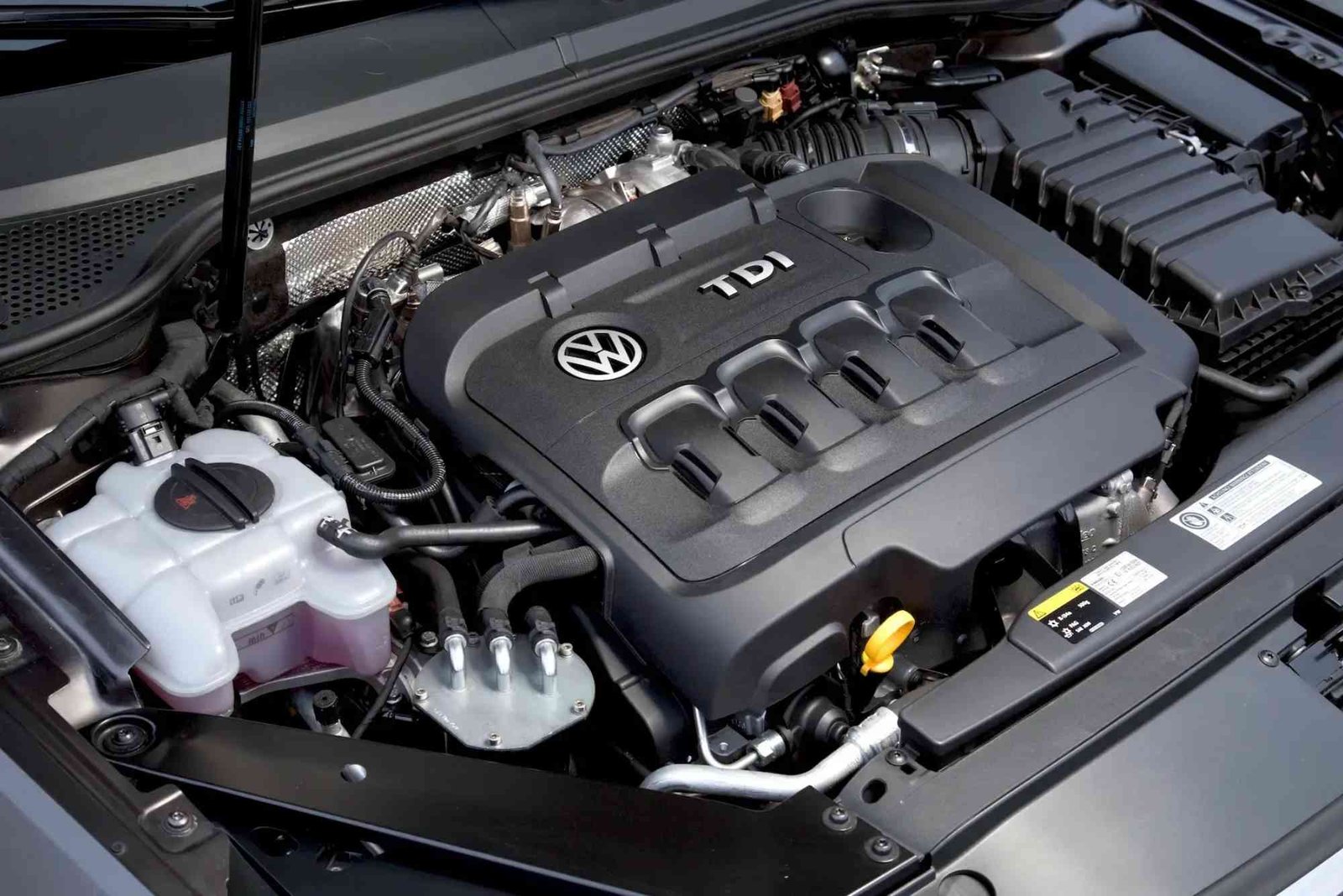
Choosing the right car is more than just a matter of style or brand. For many drivers, the type of fuel a car uses plays a significant role in cost, performance, and environmental impact. Diesel cars have been a popular choice for decades, especially for those who drive long distances or prioritize fuel efficiency. However, they also come with some drawbacks that potential buyers must consider. Understanding the advantages and disadvantages of diesel cars can help you make an informed decision about whether they are right for your lifestyle and budget.
Advantages of Diesel Cars
Diesel cars are known for several benefits that make them appealing to many drivers. These advantages range from fuel efficiency to engine longevity, and they can have a significant impact on both your wallet and driving experience.
Better Fuel Efficiency
One of the most cited advantages of diesel cars is their superior fuel efficiency compared to petrol vehicles. Diesel engines extract more energy from fuel due to their higher compression ratios. This means diesel cars often travel longer distances on a single tank, making them ideal for frequent commuters and long-distance drivers. Fuel efficiency also translates to fewer trips to the gas station, saving both time and money.
Higher Torque and Power
Diesel engines are known for generating higher torque at lower RPMs. This provides better pulling power, which is particularly useful for towing trailers or carrying heavy loads. Trucks and SUVs often use diesel engines for this reason. The robust torque also improves acceleration when overtaking, giving drivers a strong and reliable performance in various driving conditions.
Longer Engine Lifespan
Diesel engines are built to withstand higher pressures than petrol engines. Their construction and design make them more durable, often lasting longer with proper maintenance. Many diesel vehicles can run for hundreds of thousands of miles, making them a cost-effective choice for drivers looking for longevity. This durability also adds to resale value, as diesel cars can remain operational and reliable for years.
Lower CO2 Emissions
Contrary to popular belief, modern diesel engines produce lower carbon dioxide (CO2) emissions compared to petrol engines. This is because diesel fuel contains more energy per liter, meaning less fuel is burned for the same distance traveled. Lower CO2 emissions contribute to reducing your carbon footprint, especially if you drive long distances regularly. Diesel cars are often chosen for their efficiency in reducing greenhouse gas emissions.

Better Mileage in Heavy Traffic
Diesel cars often perform more efficiently in stop-and-go city traffic than petrol cars. Their engines are designed to operate at lower RPMs while delivering sufficient torque. This efficiency in urban driving conditions can result in lower fuel consumption and cost savings over time, especially for drivers who spend a lot of time in congested areas.
Cost Savings Over Long Distances
While diesel fuel may be slightly more expensive than petrol in some regions, the superior fuel efficiency of diesel cars offsets this cost over time. For drivers who travel extensively or frequently commute long distances, diesel cars provide significant long-term savings. Reduced fuel consumption combined with engine longevity can make diesel vehicles an economical choice in the long run.
Disadvantages of Diesel Cars
Despite their many benefits, diesel cars also have drawbacks that may not suit everyone. Understanding these disadvantages is crucial to making an informed purchase decision.
Higher Initial Cost
Diesel vehicles are often more expensive to buy than their petrol counterparts. The complexity of diesel engines, along with advanced fuel injection systems and emission control technologies, contributes to this higher upfront cost. For buyers on a budget or those who drive only occasionally, the initial investment in a diesel car may not be justified by potential fuel savings.
Expensive Maintenance and Repairs
Diesel engines require specific maintenance and parts that can be more costly than petrol engines. Regular servicing, fuel injector cleaning, and diesel particulate filter (DPF) maintenance are necessary to keep the engine running efficiently. Repair costs for diesel vehicles can also be higher due to the complexity of their components, making ownership more expensive over time.
Environmental Concerns
Although diesel engines emit less CO2, they produce higher levels of nitrogen oxides (NOx) and particulate matter. These pollutants contribute to air pollution and can affect respiratory health. Many cities have introduced stricter emission standards and even restrictions on diesel vehicles in urban areas. Buyers must consider the environmental regulations in their region before opting for a diesel car.
Noisier Engine Operation
Diesel engines tend to be noisier and produce more vibration than petrol engines, especially older models. While modern technology has improved noise reduction, some drivers may still find diesel engines less smooth and comfortable. This can impact the overall driving experience, particularly for those who prefer a quiet and refined ride.
Cold Weather Performance
Diesel engines can be harder to start in extremely cold conditions. Low temperatures can thicken diesel fuel, making ignition more difficult. While modern diesel cars include glow plugs and fuel additives to improve cold-start performance, it may still be a consideration for drivers in colder climates.
Limited Availability in Certain Regions
In some countries or areas, diesel fuel may be less readily available than petrol. This can limit the practicality of owning a diesel car, especially if you frequently travel to remote locations. Additionally, the resale market for diesel vehicles can be smaller due to changing regulations and declining demand in some regions.
Diesel cars offer a unique set of advantages and disadvantages that make them suitable for specific types of drivers. Their superior fuel efficiency, high torque, durability, and long-term cost savings make them ideal for long-distance commuting and heavy-duty usage. However, higher upfront costs, maintenance expenses, environmental concerns, and cold-weather challenges may deter some buyers. Ultimately, the decision to choose a diesel car should be based on your driving habits, budget, and regional fuel availability. Carefully weighing these factors will help you select a vehicle that best fits your needs while maximizing efficiency and performance. If you are looking for a vehicle that combines power and long-term value, diesel cars may be the right choice. Consider consulting with automotive experts and reviewing the latest diesel models to make an informed decision today.
Excessive fuel consumption in cars can be frustrating and costly. Common causes include poor engine maintenance, clogged air filters, underinflated tires, or faulty fuel injectors. Understanding these factors helps drivers improve efficiency, reduce expenses, and protect the environment. Learn more about why your car may be consuming fuel excessively here.
FAQs
Are diesel cars more fuel-efficient than petrol cars?
Yes, diesel cars typically offer better fuel efficiency due to higher compression ratios and energy content in diesel fuel. They can travel longer distances on a single tank.
Do diesel engines last longer than petrol engines?
Generally, yes. Diesel engines are built to handle higher pressures, making them more durable and capable of running for hundreds of thousands of miles with proper maintenance.
Is diesel fuel more expensive than petrol?
Diesel fuel can be slightly more expensive, but the higher fuel efficiency of diesel cars often offsets the cost over time, especially for long-distance drivers.
Are diesel cars bad for the environment?
Diesel engines emit lower CO2 but produce more nitrogen oxides (NOx) and particulates. Modern diesel cars have emission controls, but environmental impact remains a concern.
Can diesel cars be driven in cold weather?
Diesel engines can face cold-start issues, but modern diesel vehicles have glow plugs and additives to improve performance in cold conditions.
Are diesel cars noisy?
Diesel engines tend to be noisier and produce more vibrations than petrol engines. However, newer models are designed to minimize noise and provide a smoother ride.